AI Appraisal Estimate

AI-generated estimates · not official valuations

From the user

What was submitted

Photo and notes provided by the user — not generated by AI

Submitted item photo
Submitted photo · May 19, 2026

User's notes

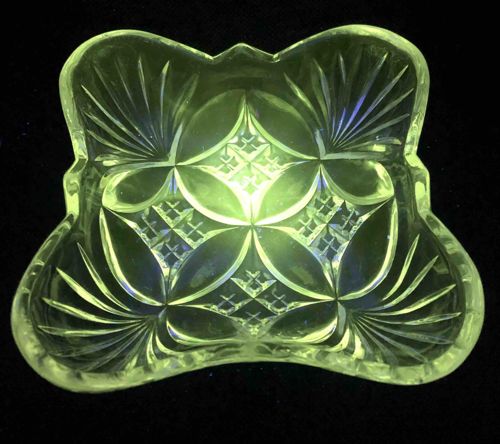
3. Square bowl D 12.5cm Diagonal 18cm H 4cm. Glows green Paid $2

AI analysis below

AI appraisal

AI analysis & estimate

AI-Generated · Verify before acting

Everything below is generated by AI for informational purposes only. AI can make mistakes — the AI may misidentify items or misattribute them (artist, maker, brand, designer, origin, era). This is not an official valuation and should not be used for insurance, sale, tax, estate, legal, or lending purposes — or any decision requiring a certified appraisal. It is not an authoritative claim about any person, brand, or rights holder — do not share or rely on it as a factual statement about a third party. Always consult qualified professionals before making financial decisions.

Note

This analysis also relies on unverified notes provided by the user, which may be incomplete or inaccurate and could affect the result.

Read the full disclaimer

AI Identification

·Not independently authenticated·Verify before acting

Vintage Vaseline Glass Square Pressed Glass Nut or Berry Bowl

Antique Glassware / Uranium Glass

AI Estimated Value

·Not an official valuation·Verify before acting

$45 - $65

As of May 19, 2026

AI Item Analysis

·AI can make mistakes·Verify before acting
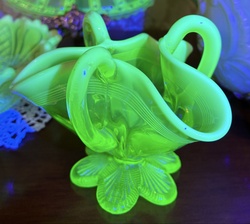
This is a vintage pressed glass bowl in a distinct yellowish-green hue, characteristic of 'Vaseline glass' containing uranium oxide. The bowl features a modified square shape with lobed, rounded corners and a slightly scalloped rim. It measures approximately 12.5cm in width, 18cm diagonally, and 4cm in height. The interior base is decorated with an intricate geometric pattern featuring a central four-pointed star or diamond motif, surrounded by fan-shaped rays (palmettes) at each corner and cross-hatched hobnail details. This pattern is consistent with Early American Pattern Glass (EAPG) or Depression-era styles from the late 19th to early 20th century. Notably, the glass exhibits a strong green fluorescence under UV light, confirming the presence of uranium. The construction shows thick, sturdy glass walls typical of high-quality mass-produced kitchenware of its era. While no specific maker's mark is visible in the image, the craftsmanship is sharp and refined. The condition appears excellent with good clarity; there are no immediately visible chips or cracks along the scalloped edges, though minor shelf wear on the bottom surface would be expected for a piece of this age. The color is bright and consistent across the form.
AI Appraisal Report

·AI can make mistakes·Verify before acting
Based on my examination of the submitted documentation and imagery, I have appraised this piece of Early American Pattern Glass (EAPG). This square nut or berry bowl is a classic example of uranium glass, confirmed by the characteristic lime-green 'glow' under ultraviolet light. The intricate pressed design, featuring palmette fans and hobnail detailing, suggests a production date between 1890 and 1920. While the specific maker is not marked, the sharpness of the mold work suggests a reputable manufacturer such as Adams & Co. or Bryce Brothers. The condition appears to be excellent with no visible 'flea bites' or significant chips on the scalloped rim, which are common points of failure for this type of glassware. The clarity is high, and the coloration is vibrant. In the current secondary market, EAPG uranium glass maintains steady demand among 'glow' collectors and glass enthusiasts. Similar small bowls typically sell in the $40 to $70 range depending on the complexity of the pattern and the intensity of the fluorescence. While the visual evidence is consistent with an authentic period piece, this appraisal is subject to limitations. A physical inspection is required to definitively distinguish this from mid-20th-century reproductions. In-person, I would look for specific 'straw marks' or cooling lines typical of late 19th-century manufacturing and check for genuine base wear that cannot be faked. No formal provenance was provided, which limits historical premiums; however, for a purchase price of $2, this represents a significant find and a strong return on investment. This valuation reflects current retail replacement value in a specialty antique setting.

Get your items appraised

Instant estimates of your treasures with AI-powered appraisals

Browse More Appraisals