AI Appraisal Estimate

AI-generated estimates · not official valuations

From the user

What was submitted

Photo and notes provided by the user — not generated by AI

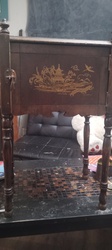
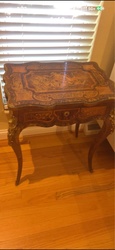
Submitted item photo
Submitted photo · May 18, 2026

User's notes

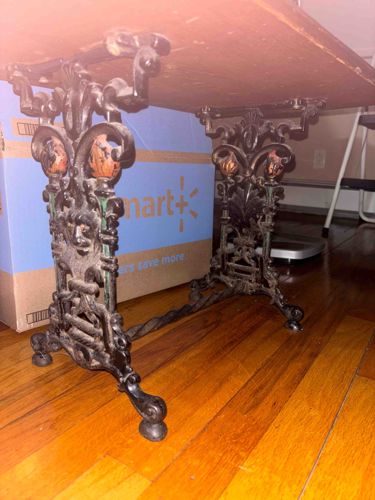
Cast iron short table with a top replaced by my grandfather faces on both sides twisty bar in the middle

AI analysis below

AI appraisal

AI analysis & estimate

AI-Generated · Verify before acting

Everything below is generated by AI for informational purposes only. AI can make mistakes — the AI may misidentify items or misattribute them (artist, maker, brand, designer, origin, era). This is not an official valuation and should not be used for insurance, sale, tax, estate, legal, or lending purposes — or any decision requiring a certified appraisal. It is not an authoritative claim about any person, brand, or rights holder — do not share or rely on it as a factual statement about a third party. Always consult qualified professionals before making financial decisions.

Note

This analysis also relies on unverified notes provided by the user, which may be incomplete or inaccurate and could affect the result.

Read the full disclaimer

AI Identification

·Not independently authenticated·Verify before acting

Victorian-Style Cast Iron Trestle Base Table

Antique Furniture

AI Estimated Value

·Not an official valuation·Verify before acting

$450 - $700

As of May 18, 2026

AI Item Analysis

·AI can make mistakes·Verify before acting
This is a short, rectangular trestle-style table featuring a highly ornamental cast iron base, likely dating from the late 19th to early 20th century. The base consists of two ornate end standards connected by a central horizontal barley-twist or 'twisty' stretcher bar. The cast iron displays an intricate Neo-Renaissance or Gothic Revival decorative program, most notably featuring a prominent grotesque mask or 'green man' face integrated into the center of each side support. The standards are further embellished with scrolled vine-work, foliate motifs, and bulbous floral or fruit-like accents that show remnants of polychrome paint in shades of orange and green. The feet transition into ball-and-claw or pad-style terminations. The table top is a secondary replacement made of wood, displaying a flat, unornamented profile that contrasts with the complexity of the metal work. Condition-wise, the cast iron shows a heavy dark patina with visible surface oxidation and significant wear to the decorative paint. There are signs of general age-related pitting and dust accumulation in the deep relief sections of the casting. The replacement top significantly alters the original silhouette, as these bases were often coupled with marble or heavy oak tops. The craftsmanship of the ironwork is substantial, indicating a high-quality industrial casting from the Victorian era.
AI Appraisal Report

·AI can make mistakes·Verify before acting
Based on my examination of the Victorian-style cast iron trestle base, I have determined it to be an authentic piece of late 19th-century industrial artistry, likely produced between 1880 and 1910. The high-relief 'Green Man' or grotesque masks and the barley-twist stretcher indicate a Neo-Renaissance influence common in high-end garden and conservatory furniture of the era. The casting quality is excellent, showing sharp details despite the surface oxidation. Condition-wise, the ironwork shows a desirable heavy patina, though the loss of original polychrome paint and presence of surface pitting suggest it was exposed to moisture. The most significant factor affecting value is the replacement wooden top. In the current market, collectors and interior designers seek these bases for their sculptural quality, but they typically command a premium when paired with original marble or thick-set quartersawn oak. The current top is utilitarian and creates a stylistic mismatch that relegated this piece to a 'project' or 'decorator' category. Comparables for standalone cast iron bases of this complexity typically sell within the $400-$600 range at auction, with retail prices reaching higher for restored examples. While the rarity of the mask design provides a slight boost, the lack of a maker's mark (such as Coalbrookdale or Fiske) limits its peak valuation. Limitations: This appraisal is based on visual analysis of the provided images. A physical inspection is required to check for structural stress fractures or hidden repairs in the cast iron. Full authentication would benefit from provenance documentation or locating a manufacturer’s foundry stamp on the inner side of the standards, which would significantly increase the item's historical importance and market value.

Get your items appraised

Instant estimates of your treasures with AI-powered appraisals

Browse More Appraisals