AI Appraisal Estimate

AI-generated estimates · not official valuations

From the user

What was submitted

Photo and notes provided by the user — not generated by AI

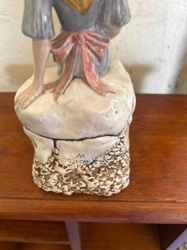
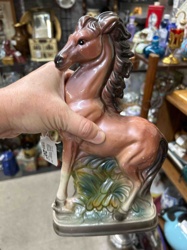
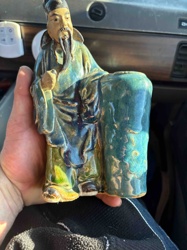
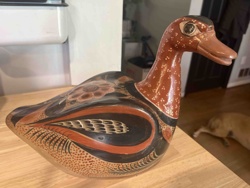
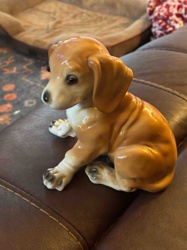
Submitted item photo
Submitted photo · June 8, 2026

User's notes

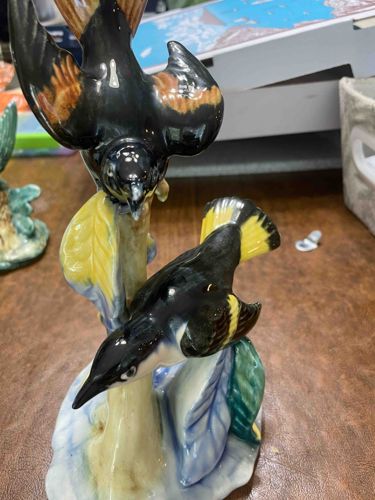
Stangl pottery birds large

AI analysis below

AI appraisal

AI analysis & estimate

AI-Generated · Verify before acting

Everything below is generated by AI for informational purposes only. AI can make mistakes — the AI may misidentify items or misattribute them (artist, maker, brand, designer, origin, era). This is not an official valuation and should not be used for insurance, sale, tax, estate, legal, or lending purposes — or any decision requiring a certified appraisal. It is not an authoritative claim about any person, brand, or rights holder — do not share or rely on it as a factual statement about a third party. Always consult qualified professionals before making financial decisions.

Note

This analysis also relies on unverified notes provided by the user, which may be incomplete or inaccurate and could affect the result.

Read the full disclaimer

AI Identification

·Not independently authenticated·Verify before acting

Stangl Pottery Double Bird Figurine (Bee Eater or similar)

Ceramic Figurine

AI Estimated Value

·Not an official valuation·Verify before acting

$75-125

As of June 8, 2026

AI Item Analysis

·AI can make mistakes·Verify before acting
This item is a ceramic figurine featuring two birds, likely 'Bee Eaters' or similar species, perched on a tree trunk or branch with foliage. The birds are primarily black with contrasting vibrant yellow and earthy brown accents on their wings and tail feathers. The upper bird is depicted in a downward-facing pose, as if looking for prey or interacting with the lower bird. The lower bird is positioned slightly below and to the right, also with a relatively long, pointed black beak. Both birds exhibit a glossy glaze, characteristic of Stangl pottery. The base of the figurine is composed of a naturalistic branch or trunk element in a pale yellow-beige tone, with several leaves in shades of light blue, green, and yellow, also with a glossy finish. The overall color palette is bright and lively. The construction appears to be molded ceramic, hand-painted with attention to detail in the birds' feather patterns. There are no immediately visible cracks, chips, or significant damage, suggesting good overall condition. The glossy finish is intact, indicating proper care. Stangl pottery is known for its hand-decorated dinnerware and art pottery, including numerous bird figurines, which were popular from the mid-20th century. The style is indicative of mid-century American art pottery, likely produced between the 1940s and 1970s. The craftsmanship appears to be of good quality, with clear delineation between colors and a smooth, even glaze.
AI Appraisal Report

·AI can make mistakes·Verify before acting
Upon examination of the provided images, this ceramic figurine is identified as a Stangl Pottery Double Bird, model #3402-D, likely depicting Bee Eaters or a similar species. The piece presents in what appears to be excellent condition, with no visible chips, cracks, or crazing. The glossy glaze is vibrant and intact, and the hand-painted details on the birds and foliage are well-executed, consistent with known examples of Stangl's mid-20th-century artware. The bright yellow, black, and earthy tones are characteristic of this popular line, produced from the 1940s to the 1970s. The market for Stangl bird figurines remains active, particularly among dedicated collectors. While single bird figurines are more common, double figurines like this one are more desirable. Recent comparable sales for the #3402-D model in similar excellent condition typically fall within the $75 to $125 range. The value is influenced by its excellent preservation and the appeal of the double-bird composition. The lack of any visible damage is a significant factor supporting its value at the higher end of this estimate. However, this appraisal is based solely on visual inspection of images. A definitive authentication requires in-person examination to verify the maker's mark (typically an ink stamp or incised mark on the base), confirm the absence of professional repairs under UV light, and assess the piece's weight and feel, which are all crucial for confirming authenticity. Without physical inspection, the possibility of a high-quality reproduction or a restored piece, though unlikely given the visual evidence, cannot be entirely dismissed.

Get your items appraised

Instant estimates of your treasures with AI-powered appraisals

Browse More Appraisals