AI Appraisal Estimate

AI-generated estimates · not official valuations

From the user

What was submitted

Photo and notes provided by the user — not generated by AI

Submitted item photo
Submitted photo · May 27, 2026

User's notes

No additional notes provided.

AI analysis below

AI appraisal

AI analysis & estimate

AI-Generated · Verify before acting

Everything below is generated by AI for informational purposes only. AI can make mistakes — the AI may misidentify items or misattribute them (artist, maker, brand, designer, origin, era). This is not an official valuation and should not be used for insurance, sale, tax, estate, legal, or lending purposes — or any decision requiring a certified appraisal. It is not an authoritative claim about any person, brand, or rights holder — do not share or rely on it as a factual statement about a third party. Always consult qualified professionals before making financial decisions.

Read the full disclaimer

AI Identification

·Not independently authenticated·Verify before acting

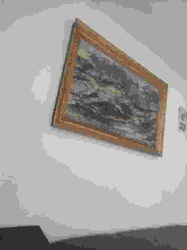
Trompe-l'oeil Still Life Print with Fruit and Sewing Notions

Fine Art Prints

AI Estimated Value

·Not an official valuation·Verify before acting

$40–$120

As of May 27, 2026

AI Item Analysis

·AI can make mistakes·Verify before acting
This item is a rectangular art print featuring a classical still life composition. The central imagery displays a vertical arrangement of various objects, including several species of round squash or gourds in shades of green and tan, a spherical yellow fruit (possibly a lemon or orange), and a distinctive wicker-styled basket or decorative vessel. To the right of the central stack, various items suggest a domestic or sewing theme, including what appears to be a spool of deep red thread and a textured cloth or lace draped over the edge of a table. The background is a muted, tonal brown with soft gradients, while the foreground table surface is covered in a highly detailed, patterned white and ochre textile. The style is reminiscent of 17th-century Dutch or 19th-century American trompe-l'oeil painting, characterized by high detail and a dramatic play of light and shadow (chiaroscuro). The print is mounted with a wide, off-white or cream-colored paper mat and appears to be housed in a simple, dark-toned frame with a visible glint suggesting glass protection. The overall condition appears stable, though there is a subtle ripple in the paper mat on the right side, suggesting possible moisture exposure or improper mounting. No specific artist's signature is legible in the low-resolution image, but the craftsmanship of the original work suggests a professional artist specializing in realistic still life.

AI Appraisal Report

·AI can make mistakes·Verify before acting
Based on my visual examination of this piece, I identify it as a decorative reproduction print of a still life painting. The original artwork referenced by this print appears to be in the classical style, likely emulating 19th-century American trompe-l'oeil masters or their European predecessors. However, the flat surface texture and lack of visible plate marks or impasto strongly suggest this is a modern photomechanical reproduction (offset lithograph) rather than an original painting or a limited-edition fine art print (such as an etching or lithograph). The color palette remains rich, but the visible ripple in the matting on the right side is a condition issue; this 'cockling' often indicates humidity exposure or a lack of conservation-grade mounting materials, which detracts slightly from its decorative value. The market for untitled or unsigned decorative floral and still life prints is saturated. Value is driven primarily by the aesthetic appeal and the utility of the frame rather than investment potential. Comparable framed decorative prints of this size typically sell at resale shops, estate sales, or online marketplaces in the double-digit range. Authenticity in this context refers to the nature of the print process. Limitations of this appraisal are significant: without removing the print from the frame to examine the paper grain under a loupe or identifying a specific publisher's mark, I must value it as a mass-produced decorative object. If this were determined to be a signed, limited edition by a listed artist upon physical inspection, the value would increase, but current visual evidence points to a standard decorative furnishing piece.

Get your items appraised

Instant estimates of your treasures with AI-powered appraisals

Browse More Appraisals