AI Appraisal Estimate

AI-generated estimates · not official valuations

From the user

What was submitted

Photo and notes provided by the user — not generated by AI

Submitted item photo
Submitted photo · May 27, 2026

User's notes

No additional notes provided.

AI analysis below

AI appraisal

AI analysis & estimate

AI-Generated · Verify before acting

Everything below is generated by AI for informational purposes only. AI can make mistakes — the AI may misidentify items or misattribute them (artist, maker, brand, designer, origin, era). This is not an official valuation and should not be used for insurance, sale, tax, estate, legal, or lending purposes — or any decision requiring a certified appraisal. It is not an authoritative claim about any person, brand, or rights holder — do not share or rely on it as a factual statement about a third party. Always consult qualified professionals before making financial decisions.

Read the full disclaimer

AI Identification

·Not independently authenticated·Verify before acting

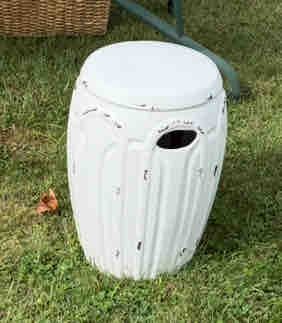
White Distressed Ceramic Garden Stool

Furniture

AI Estimated Value

·Not an official valuation·Verify before acting

$75-125

As of May 27, 2026

AI Item Analysis

·AI can make mistakes·Verify before acting
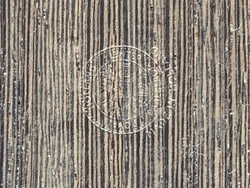
This item is a cylindrical ceramic garden stool, finished in a distressed off-white or cream color. The stool appears to be constructed from a heavy ceramic or stoneware material, giving it substantial weight and durability suitable for outdoor use. Its form is essentially a drum shape, slightly wider at the top and bottom than in the middle, creating a gentle curve along its vertical axis. The exterior features vertical fluting or ribbing, which adds textural interest and a classical architectural element to its design. There are also two cutout handles, one of which is visible, suggesting portability despite its robust construction. The distressed finish is a key feature, characterized by intentional inconsistencies in the paint application and areas where the underlying material or a darker layer shows through, mimicking age and wear. This technique provides a 'shabby chic' or antique aesthetic, rather than indicating actual damage. No visible maker's marks, signatures, or stamps are discernible from the provided image. The style suggests a contemporary interpretation of traditional garden stools, possibly influenced by Asian ceramics, and it likely dates to the late 20th or early 21st century. The quality of craftsmanship appears good, with smooth finishes on the top and handles, and consistent distressing throughout, indicating a deliberate design choice.
AI Appraisal Report

·AI can make mistakes·Verify before acting
I have examined the provided image of the White Distressed Ceramic Garden Stool. Visually, the item appears to be in excellent condition, with the distressed finish being an intentional design element rather than an indication of damage. The fluting and gentle curvature suggest a contemporary stoneware or ceramic piece, likely manufactured within the last 20-30 years, mimicking older styles. Authenticity cannot be fully verified from an image; however, there are no red flags suggesting it is anything other than what it presents itself to be—a mass-produced decorative and functional garden stool. Market conditions for ceramic garden stools are generally stable, with a wide range of options available from various retailers. This particular style, featuring a distressed finish and fluting, is common. Comparables from major home goods retailers typically range from $60 to $180, depending on size, brand, and material quality. Demand for such functional decorative pieces is consistent, particularly for outdoor or transitional indoor/outdoor spaces. Rarity is not a factor here; this appears to be a serially produced item. The primary factors impacting its value are its good condition, versatile aesthetic (fitting 'shabby chic,' farmhouse, or transitional decor), and its utility as a stool or side table. The lack of any discernible maker's marks or provenance documentation limits its value to that of a decorative accessory rather than an antique collectible. For full authentication and a more precise material assessment, an in-person examination would be necessary to feel the weight, inspect the texture, and check for any hidden marks or manufacturing details on the underside. Scientific testing would not typically be warranted for an item of this type unless there was a specific claim of historical significance or unique material composition.

Get your items appraised

Instant estimates of your treasures with AI-powered appraisals

Browse More Appraisals