AI Appraisal Estimate

AI-generated estimates · not official valuations

From the user

What was submitted

Photo and notes provided by the user — not generated by AI

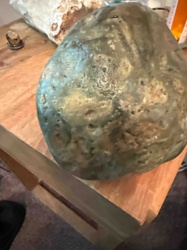
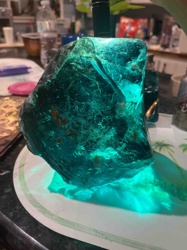
Submitted item photo
Submitted photo · June 3, 2026

User's notes

No additional notes provided.

AI analysis below

AI appraisal

AI analysis & estimate

AI-Generated · Verify before acting

Everything below is generated by AI for informational purposes only. AI can make mistakes — the AI may misidentify items or misattribute them (artist, maker, brand, designer, origin, era). This is not an official valuation and should not be used for insurance, sale, tax, estate, legal, or lending purposes — or any decision requiring a certified appraisal. It is not an authoritative claim about any person, brand, or rights holder — do not share or rely on it as a factual statement about a third party. Always consult qualified professionals before making financial decisions.

Read the full disclaimer

AI Identification

·Not independently authenticated·Verify before acting

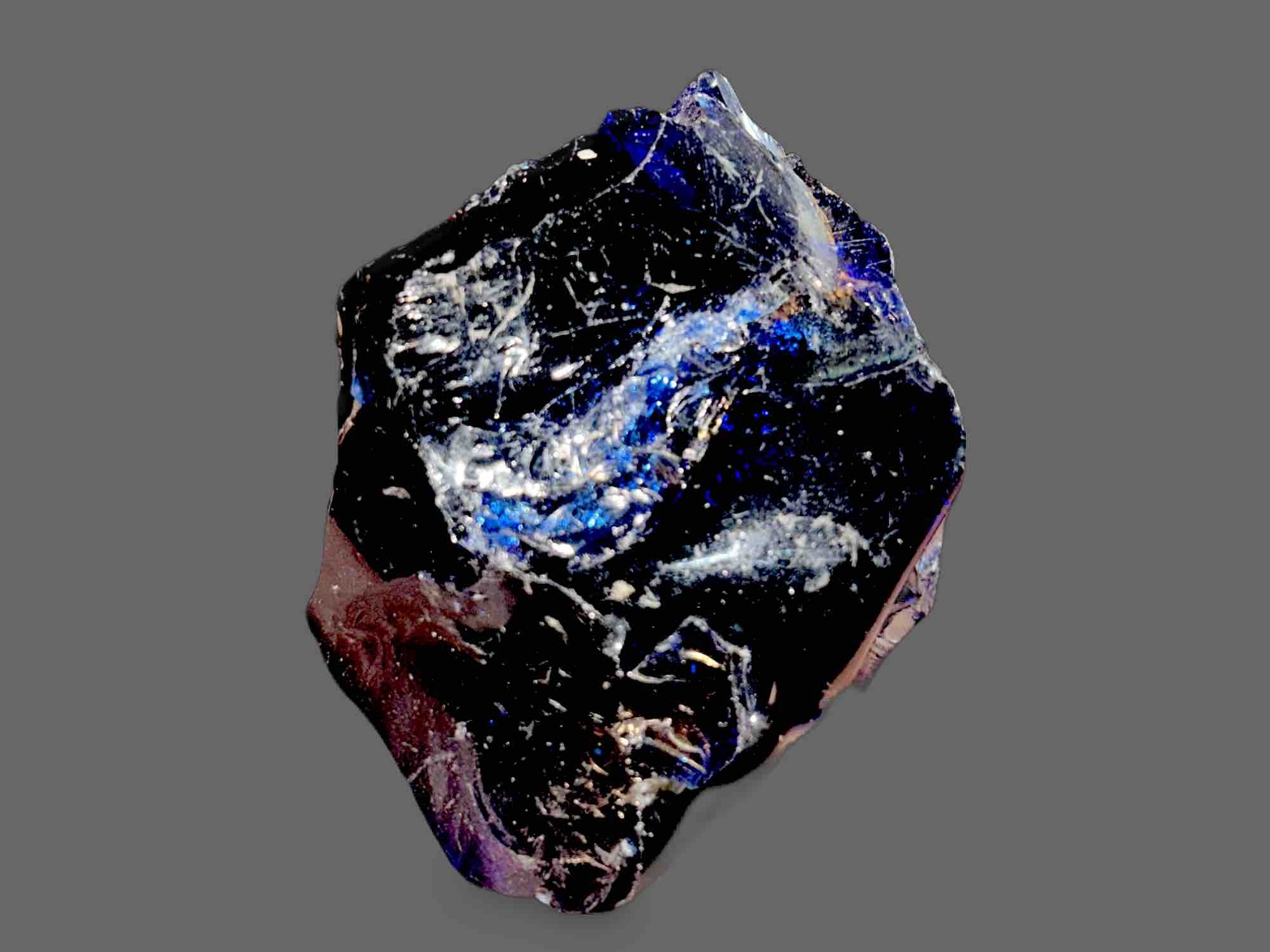
Cobalt Blue Glass Cullet Chunk

Decorative Collectibles / Industrial Glass

AI Estimated Value

·Not an official valuation·Verify before acting

$45.00 - $75.00

As of June 3, 2026

AI Item Analysis

·AI can make mistakes·Verify before acting
This item is a large, irregularly shaped specimen of cobalt blue glass cullet, likely a byproduct or raw material from a high-quality glass manufacturing facility. The piece is characterized by its deep, saturated indigo and navy blue hues, which appear nearly black in thicker sections but reveal a vibrant cerulean translucency when light passes through the thinner edges. Physically, the object displays a distinct conchoidal fracture pattern across its surface, typical of amorphous solids like glass, resulting in sharp, curved ridges and smooth, shell-like indentations. Extensive surface abrasions, scuffs, and white impact marks are visible throughout, suggesting it was historically tossed into a pile or tumbled against other similar pieces. Some internal 'swirl' or 'seed' patterns are detectable within the matrix, indicating the flow of molten glass before it cooled into this solid mass. The texture is glass-smooth in some areas and gritty in others due to surface wear and possible calcification or environmental mineral deposits trapped in the crevices. There are no visible maker's marks or stamps, as is common with industrial raw glass. This piece likely dates from the mid-20th century to the present, serving as a decorative slag glass piece often found as garden accents, paperweights, or raw material for artisans. Its value is derived from the high purity of its cobalt coloration and its raw, sculptural form.
AI Appraisal Report

·AI can make mistakes·Verify before acting
I have virtually examined this cobalt blue glass cullet chunk. The specimen displays the characteristic aesthetic of industrial slag glass, specifically the deep saturation of cobalt oxide commonly associated with high-end glass manufacturing such as Blenko or various mid-century glassworks. The presence of a prominent conchoidal fracture and internal striae confirms its status as an amorphous glass solid rather than a natural mineral. The condition is consistent with 'found' industrial materials; however, the significant surface abrasions and impact scuffing, while providing a rugged patina, detract from the clarity that would elevate it to a high-end designer accent piece. The market for cullet is currently driven by both 'industrial-chic' interior design and the demand for raw materials among glass artisans. Comparables for specimens of this size and color density typically sell within the $40 to $80 range at boutique antique shops or specialized mineral shows. The cobalt color remains the most sought-after variety in the slag market, maintaining a price premium over green or amber varieties. Critically, this appraisal is based on photographic evidence. A definitive valuation is limited by the inability to physically verify the presence of chemical contaminants or internal stress fractures not visible to the eye. In-person inspection would be required to assess the danger of the sharp edges (impacting utility as a handling piece) and to search for specific manufacturer-specific 'signatures' in the glass flow that could link it to a prestigious factory like Steuben or Corning, which would increase the value. No provenance documentation was provided, which usually serves as the primary driver for value in glass history.

Get your items appraised

Instant estimates of your treasures with AI-powered appraisals

Browse More Appraisals