AI Appraisal Estimate

AI-generated estimates · not official valuations

From the user

What was submitted

Photo and notes provided by the user — not generated by AI

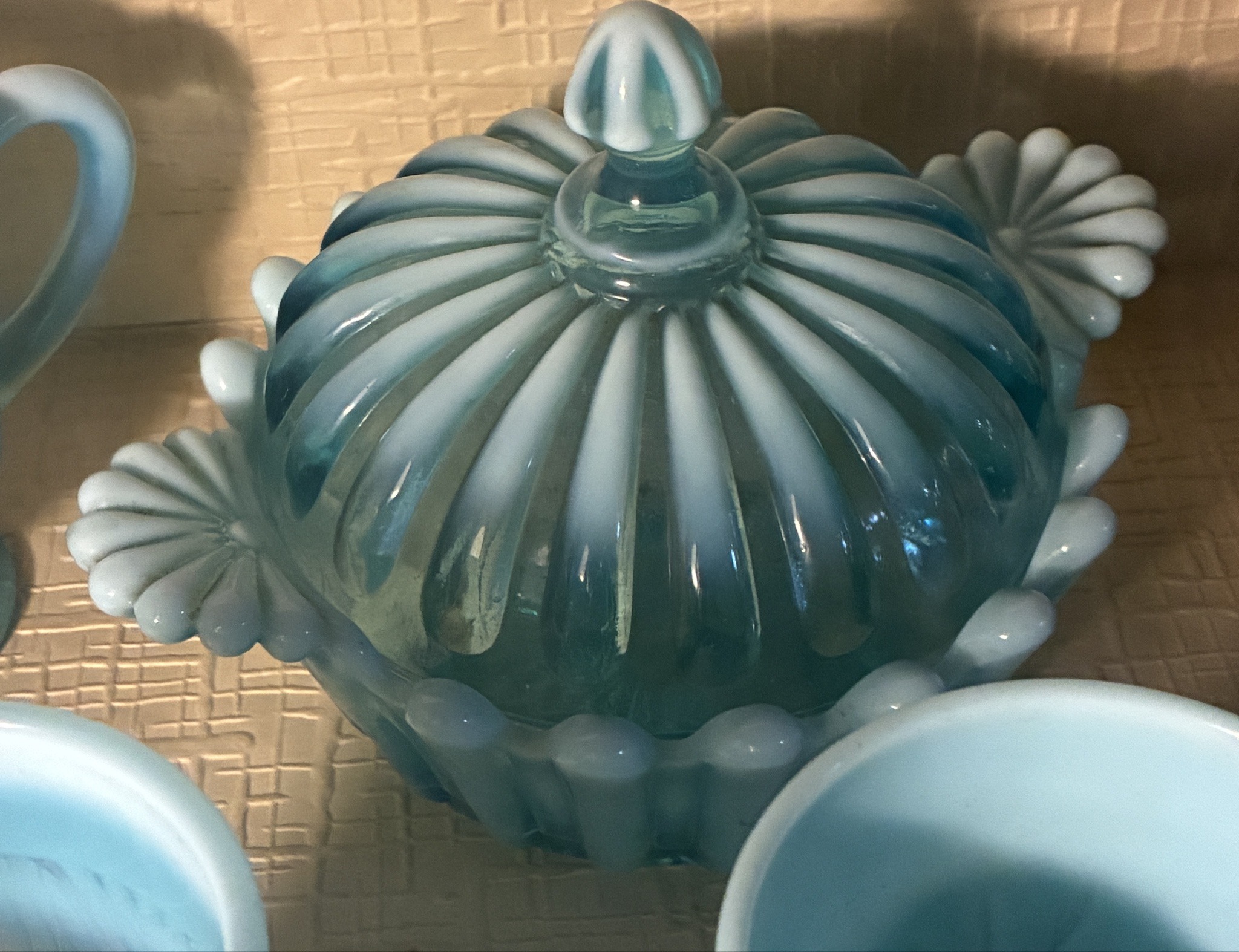
Submitted item photo
Submitted photo · May 23, 2026

User's notes

No additional notes provided.

AI analysis below

AI appraisal

AI analysis & estimate

AI-Generated · Verify before acting

Everything below is generated by AI for informational purposes only. AI can make mistakes — the AI may misidentify items or misattribute them (artist, maker, brand, designer, origin, era). This is not an official valuation and should not be used for insurance, sale, tax, estate, legal, or lending purposes — or any decision requiring a certified appraisal. It is not an authoritative claim about any person, brand, or rights holder — do not share or rely on it as a factual statement about a third party. Always consult qualified professionals before making financial decisions.

Read the full disclaimer

AI Identification

·Not independently authenticated·Verify before acting

Light blue opalescent pressed glass covered dish

Glassware

AI Estimated Value

·Not an official valuation·Verify before acting

$45–$85

As of May 23, 2026

AI Item Analysis

·AI can make mistakes·Verify before acting
This item appears to be a hemispherical pressed glass dish with a matching domed lid, featuring a translucent light blue body with milky white opalescent highlights along the ridges and edges. The design is characterized by deep vertical ribbing or fluting that radiates from a central finial on the lid and continues down the body of the vessel. The finial has a scalloped or multifaceted shape, and the dish is flanked by two decorative, shell-like tab handles with a similar radiating pattern. The rim of the bowl and the lid appear to have a beaded or scalloped finished edge where the opalescence is most pronounced. Stylistically, this piece is consistent with American pressed glass from the early to mid-20th century, specifically reminiscent of patterns produced by companies like Fenton or Northwood, such as those in the 'Chrysanthemum' or 'Shell' families. No maker's marks or signatures are visible in the provided image, so this attribution remains a hypothesis based on visual pattern matching and glass color. The condition appears to be good with no obvious chips or cracks visible, although typical manufacturing marks such as press lines or straw marks may be present upon closer physical inspection. This type of glassware was commonly used as a candy dish or sugar bowl and reflects the decorative glassware trends of the depression-era and later mid-century periods.

AI Appraisal Report

·AI can make mistakes·Verify before acting
Based on my visual analysis of the provided image, I have examined this light blue opalescent pressed glass covered dish. The piece features a translucent body with milky white highlights and deep vertical ribbing, reflecting patterns associated with mid-20th-century American manufacturers like Fenton or Northwood. However, without visible maker's marks, this attribution remains a hypothesis that would require physical inspection to confirm. I cannot verify from a photo if the piece is contemporary or an older production, as manufacturing techniques like 'straw marks' or specific wear patterns on the base—which help indicate age—are not visible. The estimated value of $45–$85 is based on the assumption that the piece is a vintage example in good condition with no hidden chips or cracks. This type of decorative glassware remains collectable among enthusiasts of Depression-era and mid-century styles, though the market for such items is currently stable rather than rapidly appreciating. The value is highly dependent on the opalescence quality and the preservation of the delicate scalloped edges. If the item were determined to be a modern reproduction or a common 'in the style of' piece with less refined craftsmanship, the value would likely decrease to the $15–$25 range. To provide a more precise valuation and confirm the suggested attribution, I would need to perform an in-person examination to check for internal glass consistency and any faint embossed logos. Documentation of provenance or a comparison against specific production catalogs would also be necessary to move beyond a hypothetical identification.

Get your items appraised

Instant estimates of your treasures with AI-powered appraisals

Browse More Appraisals