AI identification & appraisal estimate

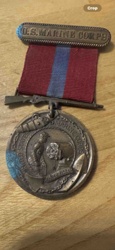
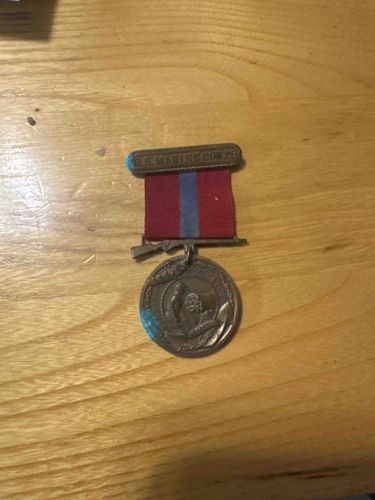
WWI U.S. Marine Corps Sharpshooter Medal

Submitted photo of WWI U.S. Marine Corps Sharpshooter Medal
Photo submitted by the user — not generated by AI

User's notes

WW1 metal

These notes were written by the person who submitted this item. Appraiser.AI has not verified them, and the AI's identification and estimate may rely on them.

AI Estimated Value

Not an official valuation

$150-250

AI estimate as of October 13, 2025 · verify with a professional before acting

AI-Generated · Verify before acting

Everything on this page is generated by AI for informational purposes only. AI can make mistakes — the AI may misidentify items or misattribute them (artist, maker, brand, designer, origin, era). This is not an official valuation and should not be used for insurance, sale, tax, estate, legal, or lending purposes — or any decision requiring a certified appraisal. It is not an authoritative claim about any person, brand, or rights holder — do not share or rely on it as a factual statement about a third party. Always consult qualified professionals before making financial decisions.

This analysis also relies on unverified notes provided by the user, which may be incomplete or inaccurate and could affect the result.

Read the full disclaimer

AI Item Analysis

This item is identified as a World War I era U.S. Marine Corps Sharpshooter Medal. The medal is primarily composed of a bronze-toned metal, likely copper or a copper alloy, displaying a darkened patina consistent with age and exposure. It consists of a rectangular suspension bar, a red and blue ribbon, and a circular medallion. The suspension bar, which appears to be made of the same metal as the medallion, features the inscription 'U.S. MARINE CORPS' in raised lettering, bordered by a textured edge. Below the bar, a red ribbon with a single vertical blue stripe in the center is attached, connecting to the circular medallion. The ribbon shows some minor fraying and discoloration, indicating its age. Suspending the medallion from the ribbon is a small, horizontally oriented rifle design, adding a distinctive military touch. The circular medallion itself features an intricate design, difficult to fully discern due to the image quality and lighting, but it appears to depict an allegorical or symbolic scene, possibly related to marksmanship or valor, surrounded by a laurel wreath or similar decorative border. There is a notable area of bright blue or green oxidation visible on the left side of the medallion, suggesting verdigris or a similar corrosion, which is a common condition issue for older copper-based metals. The craftsmanship appears to be of standard military issue quality from the early 20th century, with good detail in the raised elements. Given the 'U.S. Marine Corps' inscription and the 'WW1 metal' context provided, its estimated age is around the World War I period (1914-1918). This medal signifies an achievement in marksmanship within the U.S. Marine Corps during that era.
AI Appraisal Report

Based on my visual examination of the provided image, this WWI U.S. Marine Corps Sharpshooter Medal appears consistent with authentic examples from the period. The 'U.S. MARINE CORPS' suspension bar, red and blue ribbon, and the rifle device are characteristic. The darkened bronze-toned metal and visible patination, along with the minor fraying and discoloration of the ribbon, strongly suggest its age and originality. The craftsmanship appears appropriate for standard military issue items of that era. However, the notable area of bright blue/green oxidation (verdigris) on the medallion is a condition factor that slightly detracts from its overall aesthetic appeal, though it is common for copper-based metals. Market conditions for WWI U.S. military medals are stable, with a consistent demand from collectors specializing in military history, particularly USMC memorabilia. While WWI marksmanship medals are not exceedingly rare, a well-preserved, authentic USMC Sharpshooter medal remains desirable. The primary factors impacting value are authenticity, condition, and the presence of any verifiable provenance (though none was provided). Without a physical in-hand examination, I cannot conclusively verify the material composition or the full extent of the verdigris. To definitively confirm authenticity and rule out modern reproductions, an in-person examination, including detailed inspection of manufacturing characteristics, weight, and potentially a spectroscopic analysis of the metal, would be recommended. Provenance documentation, such as service records of the original recipient, would significantly enhance its value and historical significance.

Keep exploring

More military medal appraisals

Get your items appraised

Instant AI-powered appraisal estimates from a photo

Browse More Appraisals