AI Appraisal Estimate

AI-generated estimates · not official valuations

From the user

What was submitted

Photo and notes provided by the user — not generated by AI

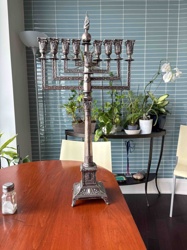
Submitted item photo
Submitted photo · June 1, 2026

User's notes

No additional notes provided.

AI analysis below

AI appraisal

AI analysis & estimate

AI-Generated · Verify before acting

Everything below is generated by AI for informational purposes only. AI can make mistakes — the AI may misidentify items or misattribute them (artist, maker, brand, designer, origin, era). This is not an official valuation and should not be used for insurance, sale, tax, estate, legal, or lending purposes — or any decision requiring a certified appraisal. It is not an authoritative claim about any person, brand, or rights holder — do not share or rely on it as a factual statement about a third party. Always consult qualified professionals before making financial decisions.

Read the full disclaimer

AI Identification

·Not independently authenticated·Verify before acting

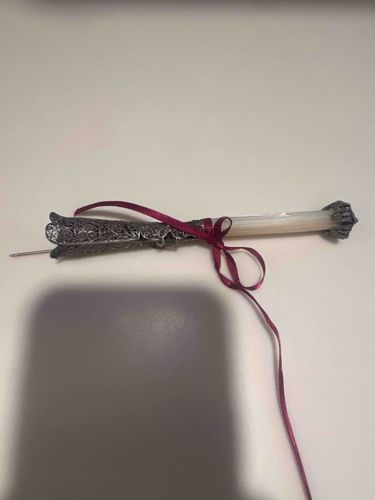
Victorian Silver Filigree and Mother of Pearl Tussie Mussie

Antique Silver / Victorian Decorative Arts

AI Estimated Value

·Not an official valuation·Verify before acting

$450 - $650

As of June 1, 2026

AI Item Analysis

·AI can make mistakes·Verify before acting
This is an elegant Victorian-era tussie mussie (nosegay holder) featuring a sophisticated combination of materials and craftsmanship. The piece is constructed with a conical, flared cup made of intricate silver filigree, displaying fine openwork scroll and floral patterns synonymous with the late 19th-century aesthetic. The handle is carved from Mother of Pearl, showing a luminous, iridescent white sheen with vertical fluting for grip. The handle is terminated with a silver finial or cap that matches the decorative language of the cup. A notable functional feature is the long, slender original pin attached by a small chain, used to secure a small floral bouquet within the vessel. A maroon silk ribbon is currently tied around the junction where the silver meets the pearl handle. The item shows a natural aged patina on the silver, with areas of tarnish in the deeper recesses of the filigree, suggesting it is likely sterling or a high-grade silver alloy. There are no visible chips to the Mother of Pearl, though the filigree shows minor structural irregularities consistent with hand-made assembly and age-related handling. The craftsmanship suggests a European origin, possibly English or French, from approximately 1860-1890.
AI Appraisal Report

·AI can make mistakes·Verify before acting
I have conducted a visual examination of the Victorian silver filigree and mother-of-pearl tussie mussie. The item displays hallmarks of mid-to-late 19th-century European craftsmanship. The silver openwork exhibits an authentic aged patina, and the mother-of-pearl handle retains its structural integrity with no visible cracking or delamination. The presence of the original retaining pin and chain significantly stabilizes the value, as these components are frequently lost over time. The market for 'Victorian mourning' and 'language of flowers' collectibles remains steady among specialized decorative arts collectors. Comparables for silver filigree examples with fluted pearl handles typically hammer between $400 and $700 depending on the presence of silver hallmarks (typically found on the rim or handle ferrule). The intricate filigree work is characteristic of English or French production from 1860–1880, though the absence of clear maker's marks in the provided images necessitates a slightly more conservative valuation. Factors impacting value include the exceptional condition of the iridescent handle and the original ribbon remnants, which suggest careful long-term storage. However, full authentication is limited by the digital nature of this inspection. A physical examination is required to verify silver fineness through acid testing or hallmark identification, as similar-looking pieces were occasionally produced in silver plate. I would also need to inspect the joints for historical solder repairs or fractures hidden under the ribbon. For a definitive insurance-grade appraisal, documentation of provenance or a verified Victorian manufacturer's stamp would be necessary to reach the upper echelon of the market.

Get your items appraised

Instant estimates of your treasures with AI-powered appraisals

Browse More Appraisals