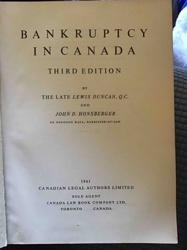
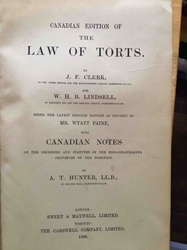
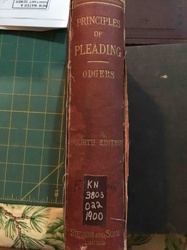
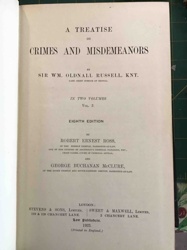
These notes were written by the person who submitted this item. Appraiser.AI has not verified them, and the AI's identification and estimate may rely on them.
AI Estimated Value
Not an official valuation
$40-75
AI estimate as of July 2, 2025 · verify with a professional before acting
AI-Generated · Verify before acting
Everything on this page is generated by AI for informational purposes only. AI can make mistakes — the AI may misidentify items or misattribute them (artist, maker, brand, designer, origin, era). This is not an official valuation and should not be used for insurance, sale, tax, estate, legal, or lending purposes — or any decision requiring a certified appraisal. It is not an authoritative claim about any person, brand, or rights holder — do not share or rely on it as a factual statement about a third party. Always consult qualified professionals before making financial decisions.
This analysis also relies on unverified notes provided by the user, which may be incomplete or inaccurate and could affect the result.
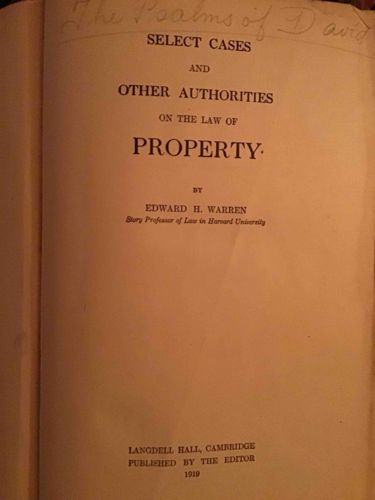
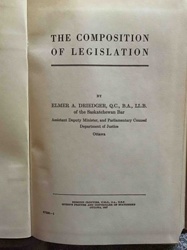
This item is an antique legal textbook titled "Select Cases and Other Authorities on the Law of Property." The visible page, likely the title page or an early interior page, is made of off-white or cream-colored paper, which appears to have yellowed slightly with age, giving it a warm, somewhat mottled patina. The text is printed in black ink, featuring various font sizes and styles to differentiate sections (e.g., larger, bolder fonts for the main title, smaller for author and publisher details). The book was authored by Edward H. Warren, identified as the Story Professor of Law at Harvard University. It was published in 1919 by 'The Editor' from Langdell Hall, Cambridge. An interesting and unique aspect is the faint, handwritten text in what appears to be pencil or light ink at the top of the page, reading "The Psalms of David." This inscription suggests a previous owner's personal note or perhaps a repurposed use of the book, indicating a potential connection to a different subject or individual. The page exhibits some minor wear consistent with its age, such as slight discoloration and possibly some foxing, though the overall condition appears good given its age, as stated in the additional context. There are no obvious tears, significant creases, or large stains visible on this page. The paper quality seems robust, indicative of publications from the early 20th century. The typesetting is clear and professional, suggesting good craftsmanship for its era.
AI Appraisal Report
Based on my examination of the provided image and the owner's description of "Select Cases and Other Authorities on the Law of Property" by Edward H. Warren (1919), I've assessed this antique legal textbook. The visible page, likely the title page, shows good clarity and legibility, consistent with the stated good condition. The paper's yellowing and subtle mottling are expected for a book of this age, indicating natural aging without severe degradation. The unique handwritten inscription, "The Psalms of David," adds a layer of historical intrigue, suggesting a personal touch or repurposed use by a previous owner. While enhancing its character, this inscription does not significantly alter market value for a legal textbook unless linked to a historical figure.
In terms of market conditions, 1919 legal texts, particularly casebooks, generally appeal to a niche market of legal historians, academics, and collectors of antique law books. While Harvard Law School faculty editions are esteemed, this specific title isn't typically considered a rare or ground-breaking work commanding high prices. Comparable sales for similar early 20th-century legal casebooks by prominent authors in good condition often fall within a modest range. The primary value drivers are its age, the author's academic standing at Harvard, and its overall good preservation. Demand is moderate, primarily from institutional libraries or private collectors specializing in legal history.
My valuation is based on these factors. A limitation of this appraisal is the reliance on images; a physical examination would allow me to assess the full binding condition, internal foxing, presence of other inscriptions, and overall page integrity. While the good condition is stated, minor issues can be missed. For full authenticity verification, especially if the inscription were believed to be by a notable person, provenance documentation or forensic script analysis would be necessary. However, for a general appraisal of the book itself, the visual evidence is sufficient for a preliminary professional opinion.