AI estimate as of August 29, 2026 · verify with a professional before acting
AI-Generated · Verify before acting
Everything on this page is generated by AI for informational purposes only. AI can make mistakes — the AI may misidentify items or misattribute them (artist, maker, brand, designer, origin, era). This is not an official valuation and should not be used for insurance, sale, tax, estate, legal, or lending purposes — or any decision requiring a certified appraisal. It is not an authoritative claim about any person, brand, or rights holder — do not share or rely on it as a factual statement about a third party. Always consult qualified professionals before making financial decisions.
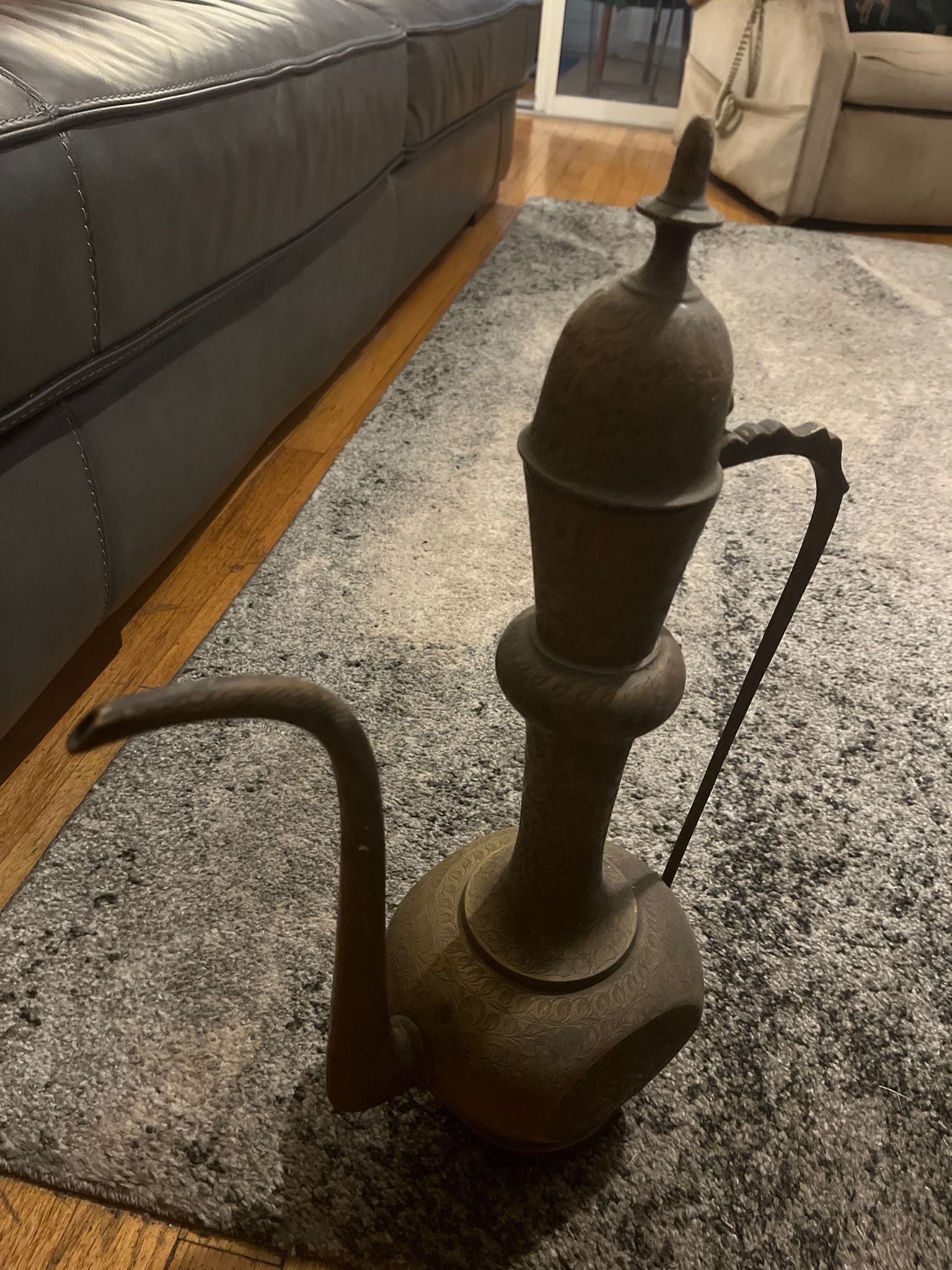
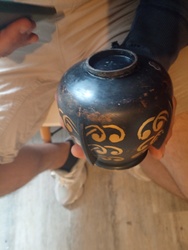
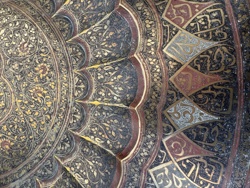
This is a tall, slender metal ewer or serving vessel featuring a bulbous base, a long and curving spout, and a distinctively shaped handle. The object is constructed from a heavy metallic material, likely brass or bronze, showing a dark, aged patina with a dull, matte finish and signs of oxidation. The body is decorated with intricate, engraved or etched surface patterns, consisting of repeating floral and leaf motifs encircling the lower bulbous section and the upper neck. The vessel includes a fitted, tapering lid topped with a finial shape. There are no clearly visible maker's marks, stamps, or signatures discernible from the provided image. The overall physical design, form, and decorative etching are consistent with traditional metalwork from the Middle East, South Asia, or North Africa, often associated with decorative ewers, coffee pots, or water vessels. The item exhibits visible surface wear, tarnish, and accumulated dust appropriate for a vintage or antique decorative object, though its exact age and precise origin remain unverified without physical inspection.
AI Appraisal Report
Based on what I can see in the photograph, this tall metal ewer exhibits characteristics consistent with traditional Middle Eastern or South Asian metalwork, featuring a bulbous base, a long curving spout, and intricate floral and leaf etching. I can't verify from a photo the exact alloy composition, precise age, or whether the piece is an antique or a later decorative replica, as these details would need physical inspection to confirm. The dark, aged patina and surface oxidation suggest considerable age and vintage character, but handling wear alone does not establish a specific production period. The estimated value range of $300 to $500 is provided under the working assumption that the object is a traditional, hand-crafted piece of the type suggested by its form and decoration. General market demand for decorative Middle Eastern and Islamic-style metalware remains steady among collectors of regional crafts and eclectic home decor, though values fluctuate based on weight, craftsmanship quality, and condition. If a physical inspection were to reveal that this piece is a modern reproduction, a tourist souvenir, or executed strictly 'in the style of' older traditions rather than an authentic period piece, the market value would likely decrease significantly, dropping into the $75 to $150 range. To establish a more precise attribution, value, and authenticity, the item would require in-person examination by a specialist, careful inspection of the metal and tool marks, hallmark verification if any exist, and potentially scientific testing to assess the age of the alloy.