AI identification & appraisal estimate

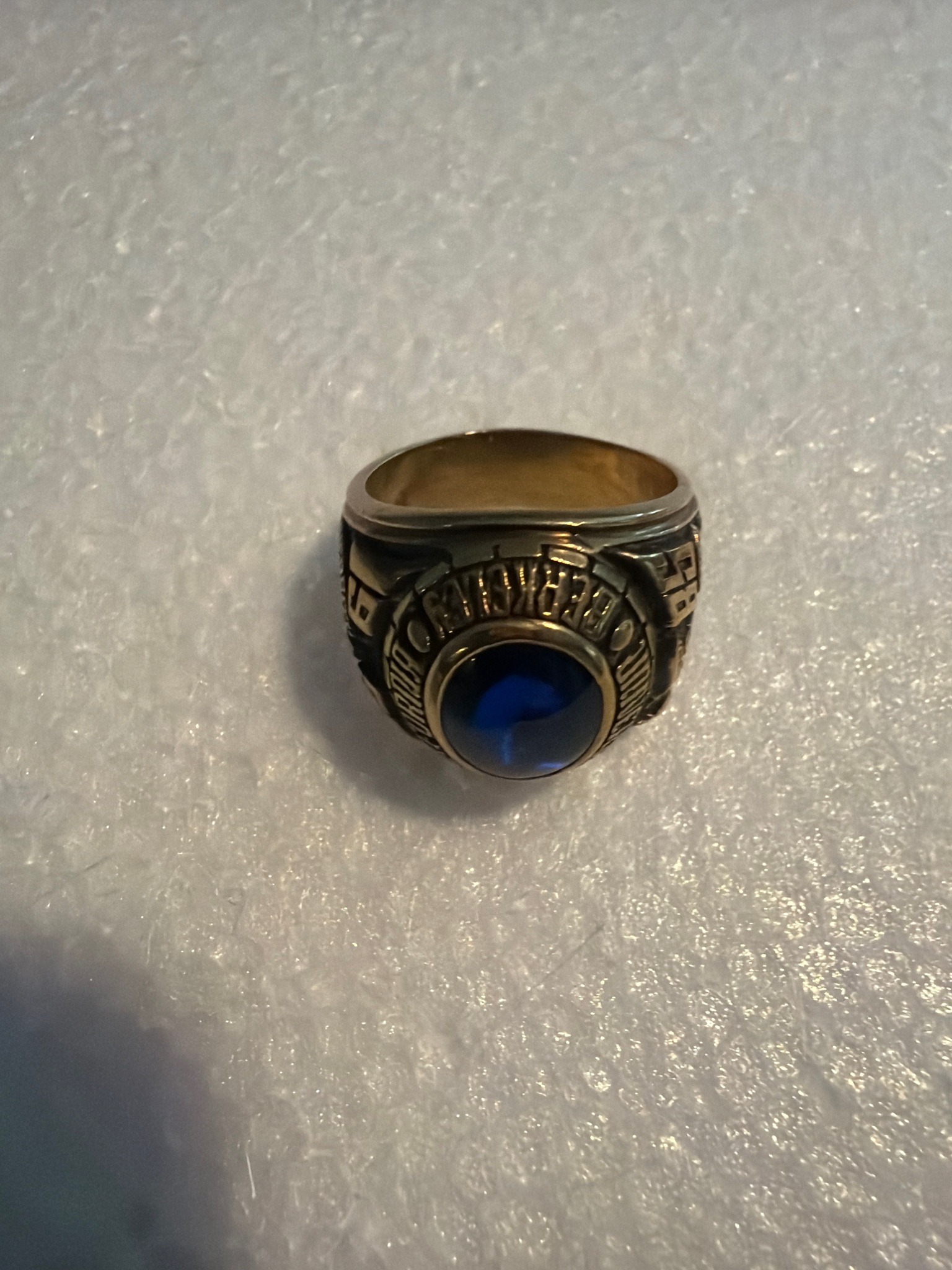
Gold-tone class ring with blue cabochon-style stone

This name is the AI's identification of the item — it may be incorrect.

Submitted photo of Gold-tone class ring with blue cabochon-style stone
Photo submitted by the user — not generated by AI

AI Estimated Value

Not an official valuation

$50-150

AI estimate as of July 24, 2026 · verify with a professional before acting

AI-Generated · Verify before acting

Everything on this page is generated by AI for informational purposes only. AI can make mistakes — the AI may misidentify items or misattribute them (artist, maker, brand, designer, origin, era). This is not an official valuation and should not be used for insurance, sale, tax, estate, legal, or lending purposes — or any decision requiring a certified appraisal. It is not an authoritative claim about any person, brand, or rights holder — do not share or rely on it as a factual statement about a third party. Always consult qualified professionals before making financial decisions.

Read the full disclaimer

AI Item Analysis

AI can make mistakes
This object appears to be a traditional commemorative class or championship ring, constructed from a yellow gold-toned metal that is stylistically consistent with gold alloy or gold-plated base metals commonly used in class ring manufacturing. At the center is a round, smooth blue cabochon, which resembles a synthetic sapphire or blue glass stone. Surrounding the bezel, raised lettering is visible, including text that appears to read 'BERKELEY' along the upper arc, suggesting a potential connection to an educational institution such as UC Berkeley or a Berkeley High School, though full verification of the specific institution requires physical evaluation. The shoulders of the ring feature molded relief details and numbers, which are partially obscured by the angle and lighting but appear consistent with a graduation year design. The interior of the band shows light metal wear and minor surface scuffing, typical of gentle use. Without internal hallmark inspection or metal purity testing, the precise gold content, manufacturer (such as Jostens or Balfour), and production year remain unverified from the photographic image alone.
AI Appraisal Report

AI can make mistakes
Based on what I can see from the provided photograph, this item appears to be a traditional gold-toned class ring featuring a round blue cabochon stone with surrounding raised lettering that seems to read 'BERKELEY'. The piece shows light surface scuffing and minor wear consistent with gentle use. However, I cannot verify key factors from a photo alone, such as the exact metal purity, whether it is solid gold alloy or gold-plated base metal, or the true nature of the stone, which could be synthetic sapphire, spinel, or glass. Assuming this is a standard base-metal or low-karat gold alloy commemorative class ring, market demand for personalized educational jewelry tends to be modest, as value relies heavily on intrinsic metal weight or historical interest. Rings of this style typically sell in the $50 to $150 range on the secondary market. If physical testing were to establish that the ring is constructed from a higher-purity solid gold alloy (such as 10k or 14k), the melt or scrap value alone could elevate the estimate significantly to $200-$400+ depending on total weight. To establish a firmer valuation, an in-person physical inspection is necessary. This would include acid or XRF metal testing to determine gold content, gemological analysis of the central stone, and an examination of maker's marks or hallmarks inside the band (such as marks for Balfour or Jostens). Should the item turn out to be a modern costume reproduction or standard non-precious base metal with plating, the secondary market value would likely drop to under $30.

Keep exploring

More jewelry appraisals

Get your items appraised

Instant AI-powered appraisal estimates — a starting point, not an official valuation

Browse More Appraisals