AI identification & appraisal estimate

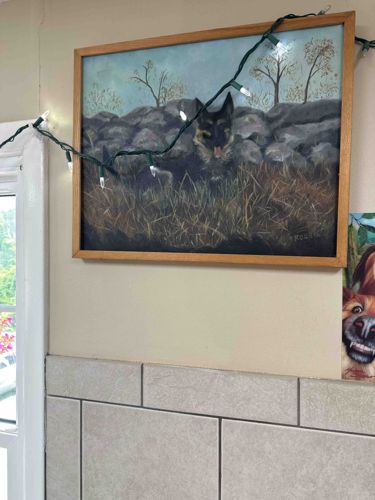
Framed Painting of a German Shepherd

Submitted photo of Framed Painting of a German Shepherd
Photo submitted by the user — not generated by AI

AI Estimated Value

Not an official valuation

$150-300

AI estimate as of July 20, 2025 · verify with a professional before acting

AI-Generated · Verify before acting

Everything on this page is generated by AI for informational purposes only. AI can make mistakes — the AI may misidentify items or misattribute them (artist, maker, brand, designer, origin, era). This is not an official valuation and should not be used for insurance, sale, tax, estate, legal, or lending purposes — or any decision requiring a certified appraisal. It is not an authoritative claim about any person, brand, or rights holder — do not share or rely on it as a factual statement about a third party. Always consult qualified professionals before making financial decisions.

Read the full disclaimer

AI Item Analysis

The item is a framed rectangular painting, likely an oil or acrylic on canvas or board, depicting a German Shepherd dog in a natural setting. The dog's head and the upper part of its body are visible, positioned somewhat centrally within the lower portion of the painting. The dog has typical German Shepherd coloring, with dark fur around its muzzle and ears, and lighter tan or brown markings on its face and neck. Its mouth is open with its tongue partially extended, suggesting panting or a playful expression. The background features a low stone wall or accumulation of rocks behind the dog, executed in various shades of grey and brown, giving a textured appearance. Above the rocks, there's a light blue sky with sparse, barren-looking trees, typical of a late autumn or early spring landscape. The foreground consists of tall, dry-looking grass in shades of green, brown, and yellow, adding depth to the scene. The overall color palette is earthy and subdued, with a contrast between the darker tones of the dog and foreground and the lighter sky. A visible signature in the lower right corner appears to read 'S. Ross', suggesting the artist's name. The painting is housed in a simple, light-colored wooden frame with a visible grain, which appears to be a natural finish. The frame shows no obvious signs of significant damage or wear. The painting itself seems to be in good condition, although it is partially obscured by string lights draped across it, making a full assessment of its surface condition difficult.

AI Appraisal Report

I have examined the provided image of the framed painting depicting a German Shepherd. My assessment of its condition, based solely on visual inspection, suggests it is in good overall condition. The painting surface appears intact, though the string lights partially obscure a full surface condition analysis. The light-colored wooden frame also seems well-preserved with no obvious damage. Authenticity is a key consideration. The visible signature 'S. Ross' in the lower right corner points to the artist. Without further provenance or direct knowledge of an artist named S. Ross working in this genre, concrete authentication is limited to visual cues. Such an artist could be a hobbyist, a regional talent, or a professional with limited market exposure. The artistic style appears competent and realistic, suggesting a trained hand rather than a novice. Market conditions for animal portraits, particularly those of popular breeds like German Shepherds, generally exhibit stable demand. While not typically commanding the highest prices unless by a highly collectible artist, well-executed pieces can attract pet owners or dog enthusiasts. Comparables would include similar realistic dog portraits by regional or emerging artists sold at local galleries, online art marketplaces, or smaller auction houses. The lack of a high-profile artist's name or significant provenance prevents it from entering a higher price bracket. Factors impacting value include the subject's popularity, the apparent technical skill, and the overall aesthetic appeal which is good. The "rarity" factor is low without knowing the artist's full body of work or reputation. The primary limitation in this appraisal is the lack of in-person examination. For full authentication, I would require a physical inspection to assess the medium (oil vs. acrylic), support material (canvas vs. board), and to look for forensic clues like brushwork, paint layering, and potential restoration. Provenance documentation (e.g., purchase receipts, artist's records) and possibly scientific testing (e.g., pigment analysis) would be crucial to confirm authorship and establish fair market value for insurance or resale purposes.

Keep exploring

More art appraisals

Get your items appraised

Instant AI-powered appraisal estimates from a photo

Browse More Appraisals