AI Appraisal Estimate

AI-generated estimates · not official valuations

From the user

What was submitted

Photo and notes provided by the user — not generated by AI

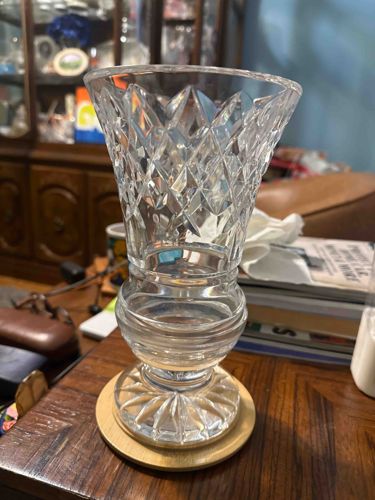
Submitted item photo
Submitted photo · June 8, 2026

User's notes

No additional notes provided.

AI analysis below

AI appraisal

AI analysis & estimate

AI-Generated · Verify before acting

Everything below is generated by AI for informational purposes only. AI can make mistakes — the AI may misidentify items or misattribute them (artist, maker, brand, designer, origin, era). This is not an official valuation and should not be used for insurance, sale, tax, estate, legal, or lending purposes — or any decision requiring a certified appraisal. It is not an authoritative claim about any person, brand, or rights holder — do not share or rely on it as a factual statement about a third party. Always consult qualified professionals before making financial decisions.

Read the full disclaimer

AI Identification

·Not independently authenticated·Verify before acting

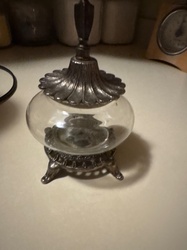
Cut Glass Diamond-Pattern Vase on Pedestal Base

Decorative Glassware

AI Estimated Value

·Not an official valuation·Verify before acting

$40-$80

As of June 8, 2026

AI Item Analysis

·AI can make mistakes·Verify before acting
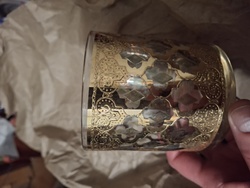
This is a clear, cut-glass vase featuring a faceted upper body, a plain rounded mid-section, and a fluted pedestal base. The upper part of the vase is adorned with a prominent diamond-pattern cut, creating a dazzling effect that refracts light. Each diamond facet is precisely cut, indicating good craftsmanship. The rim appears to be smooth, without any obvious chips or damage. Below the cut-glass upper section, there is a smooth, bulbous, slightly compressed mid-section that transitions gracefully into a sturdy, fluted pedestal base. The base itself is circular and also features a starburst or ray pattern on its underside, visible through the clear glass, which adds to its decorative appeal and stability. The overall construction appears solid and well-executed. The material is likely lead crystal or high-quality glass, given its clarity and the sharp edges of the cuts. There are no visible chips, cracks, or significant scuffs on the main body of the vase. The item is resting on a wooden coaster, which is not part of the vase itself, but suggests it is a piece cherished and protected. Without a maker's mark, it is difficult to determine the exact origin or manufacturer; however, the style of cutting suggests a period from the early to mid-20th century, possibly dating back to the Art Deco era or slightly later. It presents as a decorative and functional piece, suitable for holding flowers or as a standalone ornamental item. The condition appears to be excellent, with minimal signs of wear consistent with its age.
AI Appraisal Report

·AI can make mistakes·Verify before acting
Based on my visual examination of the provided image, this clear, cut-glass vase appears to be in excellent condition with no visible chips, cracks, or significant scuffs. The faceted upper body with a diamond-pattern cut, plain rounded mid-section, and fluted pedestal base suggest a design aesthetic common in the early to mid-20th century, potentially Art Deco or slightly later. The precision of the cuts and the clarity of the glass indicate a good quality piece, likely lead crystal or high-quality glass. The starburst pattern on the base adds to its decorative appeal. Market conditions for general decorative cut-glass vases of this style are currently modest. While appealing, these pieces are relatively common, particularly those without specific maker's marks or historical provenance. Comparables found in secondary markets, such as online auctions and antique shops, for similar unmarked cut-glass pieces typically range from $40 to $80. Demand for such items is steady but not high-volume, reflecting their decorative rather than highly collectible status. The lack of a discernible maker's mark significantly impacts its value, preventing its elevation to a premium collectible category. It is important to note the limitations of an appraisal based solely on images. While the condition appears excellent, an in-person examination would be crucial to confirm the absence of minute fleabites, internal flaws, or repairs not visible in photographs. Physical inspection would also allow for a more accurate assessment of the glass's quality and lead content. Provenance documentation, if available, could significantly enhance its value by linking it to a specific manufacturer or historical period, which cannot be determined from the image alone.

Get your items appraised

Instant estimates of your treasures with AI-powered appraisals

Browse More Appraisals