AI Appraisal Estimate

AI-generated estimates · not official valuations

From the user

What was submitted

Photo and notes provided by the user — not generated by AI

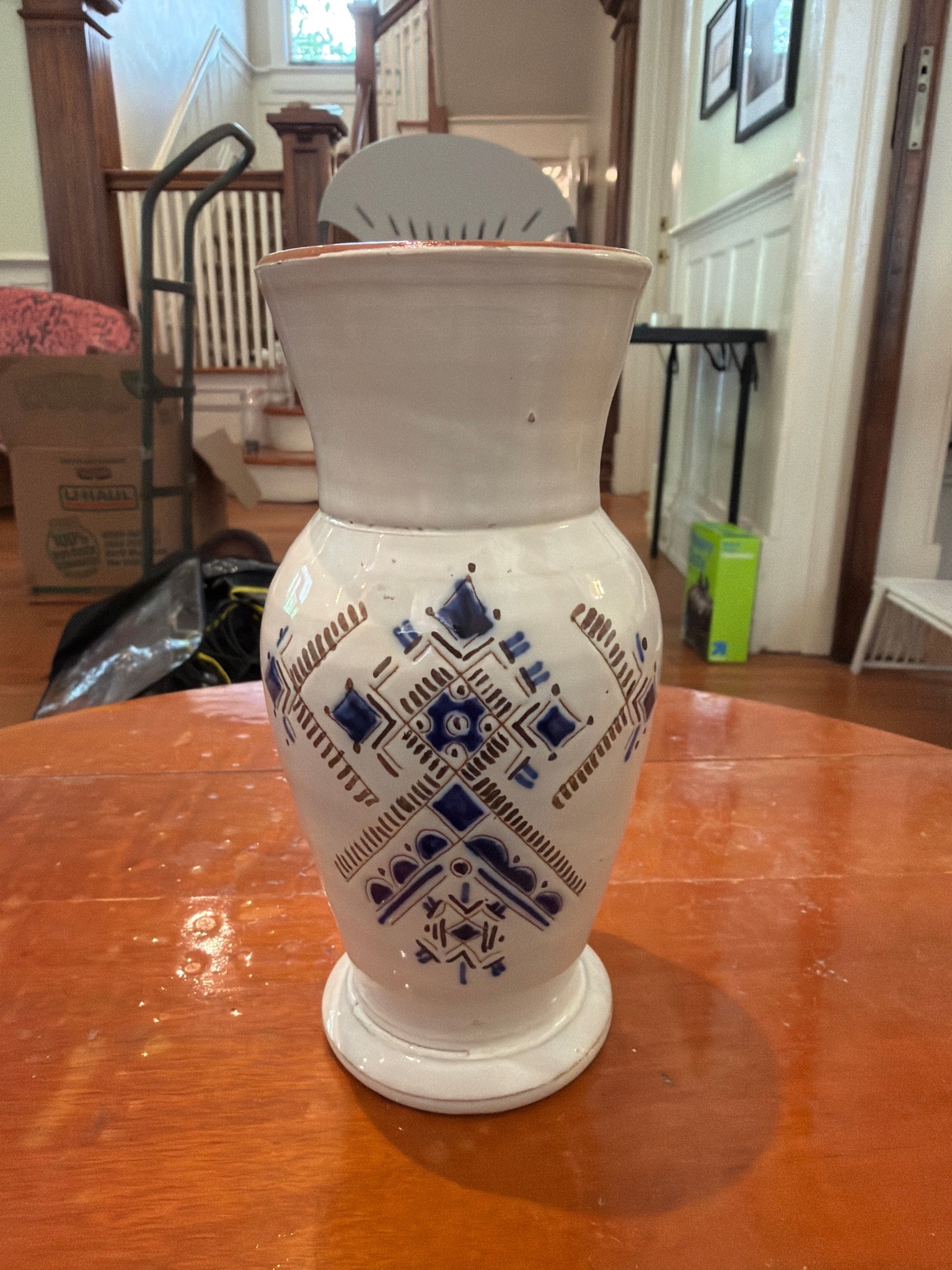
Submitted item photo
Submitted photo · June 23, 2026

User's notes

No additional notes provided.

AI analysis below

AI appraisal

AI analysis & estimate

AI-Generated · Verify before acting

Everything below is generated by AI for informational purposes only. AI can make mistakes — the AI may misidentify items or misattribute them (artist, maker, brand, designer, origin, era). This is not an official valuation and should not be used for insurance, sale, tax, estate, legal, or lending purposes — or any decision requiring a certified appraisal. It is not an authoritative claim about any person, brand, or rights holder — do not share or rely on it as a factual statement about a third party. Always consult qualified professionals before making financial decisions.

Read the full disclaimer

AI Identification

·Not independently authenticated·Verify before acting

Hand-Painted Glazed Ceramic Baluster Vase

Decorative Ceramics

AI Estimated Value

·Not an official valuation·Verify before acting

$150 - $250

As of June 23, 2026

AI Item Analysis

·AI can make mistakes·Verify before acting
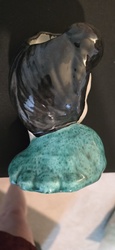
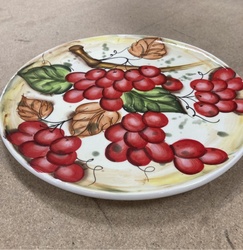
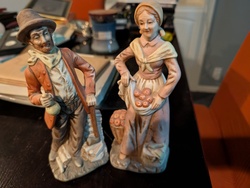
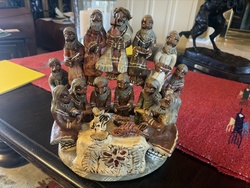
This item is a decorative upright ceramic vase, featuring a baluster form with a flared rim, a constricted neck, a bulbous body, and a pedestal foot. The vessel is constructed from a red or buff earthenware clay, which is visible at the unglazed top edge of the rim. The exterior is coated in a thick, creamy white tin or lead-based glaze that exhibits some characteristic pitting and minor surface irregularities consistent with studio pottery production. The central decorative motif is a hand-painted geometric pattern in cobalt blue and manganese brown, depicting an stylized, symmetrical diamond-shaped emblem reminiscent of tribal or folk-art textiles. This central pattern is flanked by repeating feathered or dashed linear elements. Fine details include small blue dots and cross-hatching inside the diamond shapes. Condition-wise, the vase shows some signs of age and handled wear, including small surface inclusions, slight discoloration in the glaze, and some minor abrasions near the base. There is no large-scale cracking or visible structural repair. The style suggests a mid-to-late 20th-century origin, possibly drawing inspiration from Mediterranean or North African pottery traditions. The craftsmanship is artisanal, leaning more toward rustic decorative charm than industrial precision.
AI Appraisal Report

·AI can make mistakes·Verify before acting
I have conducted a thorough visual examination of the Hand-Painted Glazed Ceramic Baluster Vase. The piece exhibits characteristic traits of mid-to-late 20th-century studio pottery, specifically drawing from Mediterranean or North African folk traditions. The hand-painted cobalt and manganese motifs are executed with a confident, artisanal hand. The visible earthenware at the rim and the presence of pitting and pinholes in the tin-glaze suggest a traditional kiln firing profile. The condition is generally good; while surface abrasions and minor discoloration are present, they are consistent with the vessel's age and do not detract from its aesthetic integrity. In the current decorative arts market, there is a steady demand for rustic, 'global-chic' ceramics. Comparables for unsigned 20th-century earthenware of similar scale typically sell in the low hundreds. Factors limiting the value include the lack of a visible maker's mark and the utilitarian nature of the clay body. However, the decorative appeal of the geometric pattern remains a strong selling point. Please note that this appraisal is based on photographic evidence only. To fully authenticate the piece as a specific regional masterwork, I would require an in-person examination to inspect the internal glaze consistency and weight. Verification of provenance documentation or historical kiln records would be necessary to increase the valuation into the fine art category. Scientific tests, such as thermoluminescence dating, could definitively confirm the firing date if the item were suspected to be of significantly greater antiquity.

Get your items appraised

Instant estimates of your treasures with AI-powered appraisals

Browse More Appraisals