AI Appraisal Estimate

AI-generated estimates · not official valuations

From the user

What was submitted

Photo and notes provided by the user — not generated by AI

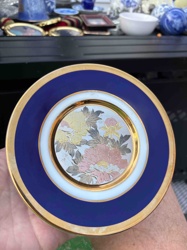
Submitted item photo
Submitted photo · May 27, 2026

User's notes

No additional notes provided.

AI analysis below

AI appraisal

AI analysis & estimate

AI-Generated · Verify before acting

Everything below is generated by AI for informational purposes only. AI can make mistakes — the AI may misidentify items or misattribute them (artist, maker, brand, designer, origin, era). This is not an official valuation and should not be used for insurance, sale, tax, estate, legal, or lending purposes — or any decision requiring a certified appraisal. It is not an authoritative claim about any person, brand, or rights holder — do not share or rely on it as a factual statement about a third party. Always consult qualified professionals before making financial decisions.

Read the full disclaimer

AI Identification

·Not independently authenticated·Verify before acting

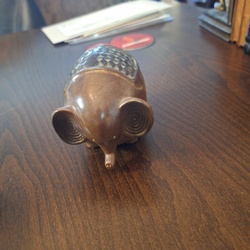
Decorative Victorian-Style Commemorative Teacup and Saucer Set

Collectible Ceramics / Decorative Arts

AI Estimated Value

·Not an official valuation·Verify before acting

$15.00 - $25.00

As of May 27, 2026

AI Item Analysis

·AI can make mistakes·Verify before acting
This is a decorative teacup and saucer set made of white glazed porcelain or fine ceramic, featuring a Victorian-style aesthetic. The set is characterized by intricate red and gold gilded patterns, including a portrait miniature of a lady wearing an ornate red hat, set within a scrolled cartouche. The cup features a footed base and a fully gilded handle. Notably, the exterior of the cup bears a prominent black printed warning: 'NOT FOR FOOD USE. MAY POISON FOOD. FOR DECORATIVE PURPOSES ONLY.' This indicates the set likely contains high levels of lead or cadmium in the glazes, common in late 20th-century mass-produced souvenir or giftware items designed to mimic early 19th-century aesthetics. The saucer displays matching motifs with decorative red border fill and faint gold filigree patterns. The set is presented on a dark, circular wooden display stand. While the design evokes the Edwardian or Victorian periods, the font and explicit safety warning suggest a manufacturing date between the 1970s and 1990s. The condition appears fair, with minor wear to the gilding on the cup's rim and some blurring in the transfer-ware portrait. No major chips or cracks are visible in the photograph.
AI Appraisal Report

·AI can make mistakes·Verify before acting
I have examined the digital image of the decorative teacup and saucer set. Based on my visual inspection, I have identified this as a late 20th-century mass-produced souvenir, likely manufactured in the 1970s or 1980s. The presence of the explicit black printed warning 'NOT FOR FOOD USE. MAY POISON FOOD' is the primary factor in dating and valuation. This warning was a regulatory requirement for decorative ceramics produced during this era that utilized glazes with high lead or cadmium content. While the aesthetic attempts to evoke a late 19th-century Victorian sensibility, the typography of the warning and the quality of the transfer-ware portrait are modern. The condition appears fair to good. I observe minor gilding loss on the handle and rim, and the transfer-ware portrait exhibits slight blurring, typical of low-to-mid-tier giftware. Market demand for non-functional 'decorative-only' ceramics is currently low, as collectors generally prefer functional antique porcelain or high-end contemporary art pieces. Comparable items frequently appear in thrift markets and online estate auctions with low realization rates. Limitations: My assessment is based solely on the provided image. A definitive valuation would require an in-person examination to check for internal hairline fractures not visible in the photograph and to inspect any manufacturer marks on the underside of the saucer or cup. To fully confirm the chemical composition responsible for the warning, X-ray fluorescence (XRF) testing would be required, though the cost of such testing would exceed the item's market value. Provenance is unknown, but unlikely to impact value for this specific class of object.

Get your items appraised

Instant estimates of your treasures with AI-powered appraisals

Browse More Appraisals