AI identification & appraisal estimate

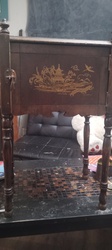
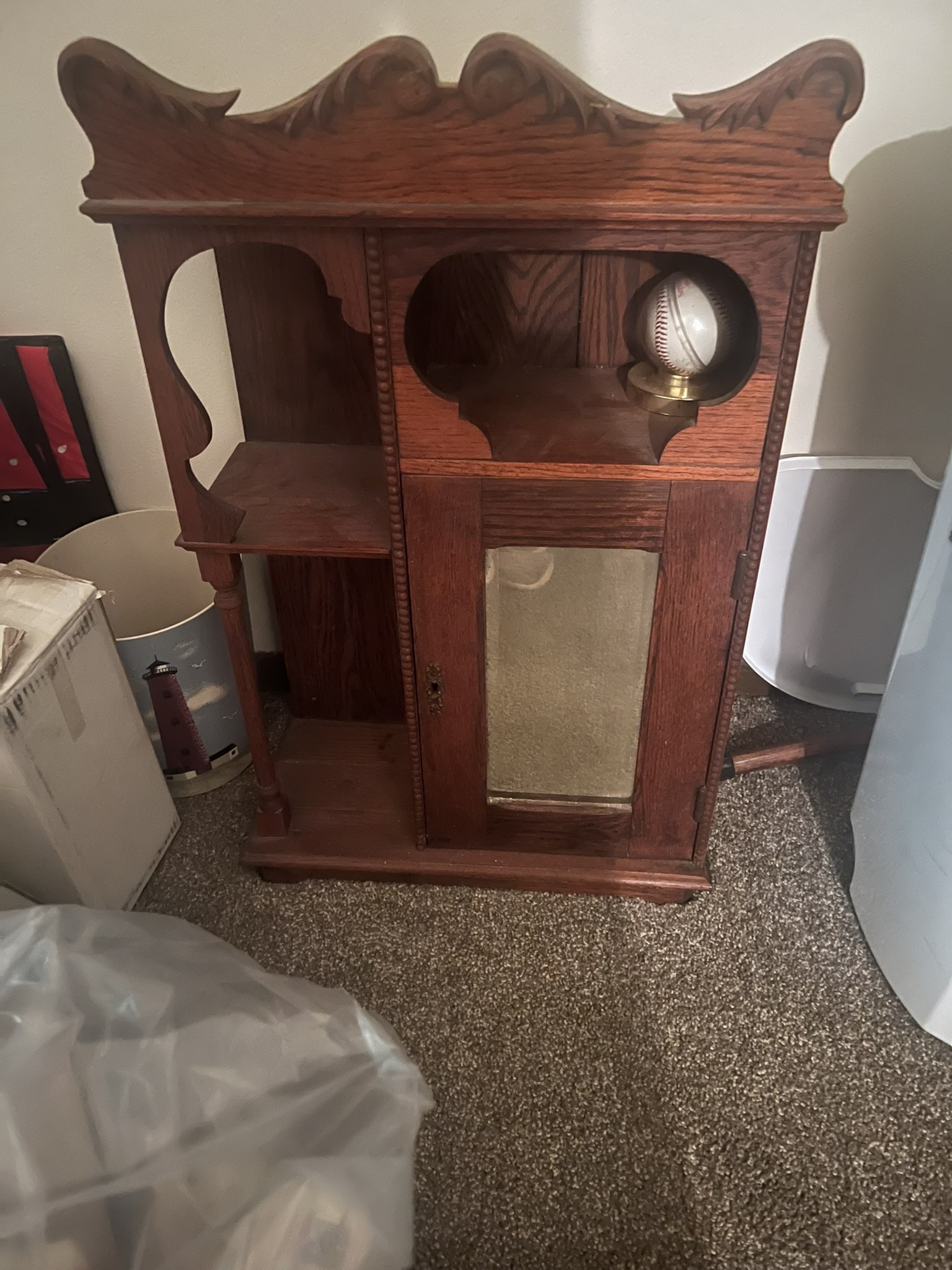
Victorian oak wall cabinet

Submitted photo of Victorian oak wall cabinet
Photo submitted by the user — not generated by AI

AI Estimated Value

Not an official valuation

$350-$600

AI estimate as of October 6, 2026 · verify with a professional before acting

AI-Generated · Verify before acting

Everything on this page is generated by AI for informational purposes only. AI can make mistakes — the AI may misidentify items or misattribute them (artist, maker, brand, designer, origin, era). This is not an official valuation and should not be used for insurance, sale, tax, estate, legal, or lending purposes — or any decision requiring a certified appraisal. It is not an authoritative claim about any person, brand, or rights holder — do not share or rely on it as a factual statement about a third party. Always consult qualified professionals before making financial decisions.

Read the full disclaimer

AI Item Analysis

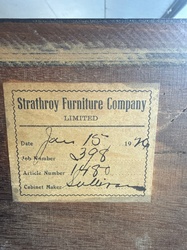
This is an antique wooden wall cabinet or curio shelf, constructed primarily from solid oak with a medium-dark reddish-brown wood stain and finish. The physical characteristics include an ornate, scalloped cresting board or pediment at the very top featuring carved floral or scrolling motifs. The main body of the cabinet features a tiered, asymmetrical design typical of Victorian and Eastlake aesthetic movement furniture. On the left side, there is an open shelving unit with an arched cut-out support and a turned spindle column on the front corner. The right side features an upper open cubby with a rounded upper arch, and a lower enclosed cabinet door with a rectangular glass insert panel. The door is fitted with a decorative metal keyhole escutcheon plate. There are no visible maker's marks, stamps, or signatures present on the exterior surfaces visible in the image. The construction quality appears solid, utilizing mortise-and-tenon or dowel joints typical of late 19th-century mass-produced or artisan furniture. The item displays a warm aged patina with minor surface wear consistent with age, though no severe structural damage, cracks, or missing pieces are immediately apparent from the angle provided. The style period is consistent with the late Victorian era, spanning roughly from the 1880s to the early 1900s. The identification is based entirely on stylistic elements such as the carved crest, turned spindle details, and asymmetric shelving, as no maker's mark is present to verify the exact manufacturer or date of production.
AI Appraisal Report

Based on what I can see in the photograph, this wall cabinet exhibits stylistic characteristics consistent with late Victorian and Eastlake aesthetic movement furniture, specifically dating from roughly the 1880s to the early 1900s. The piece features a warm aged patina, carved cresting, asymmetrical shelving, and a turned spindle column, all of which suggest period construction techniques such as mortise-and-tenon or dowel joints. However, I can't verify from a photo alone the exact age, wood species, or structural integrity, as physical inspection is required to confirm whether these elements are period-correct or later revivals. There are no visible maker's marks or stamps to establish authorship, so any identification as a genuine late 19th-century piece must be treated as a working hypothesis rather than a confirmed fact. The estimated value range of $350 to $600 assumes the attribution to the late Victorian era is correct and that the item is in good, stable condition. General market demand for Victorian wall cabinets of this type is modest, as buyers today often favor mid-century or minimalist styles, though decorative accent pieces still attract niche interest. If physical inspection reveals the piece to be a later reproduction, replica, copy, or made simply in the style of the period, the value would likely drop significantly, falling closer to the $100-$200 range. To fully determine the item's age and potential value, an in-person examination by a qualified antiques expert would be necessary to assess the joinery, hardware, and surface wear for signs of modern manufacturing.

Keep exploring

More antique furniture appraisals

Get your items appraised

Instant AI-powered appraisal estimates from a photo

Browse More Appraisals