AI identification & appraisal estimate

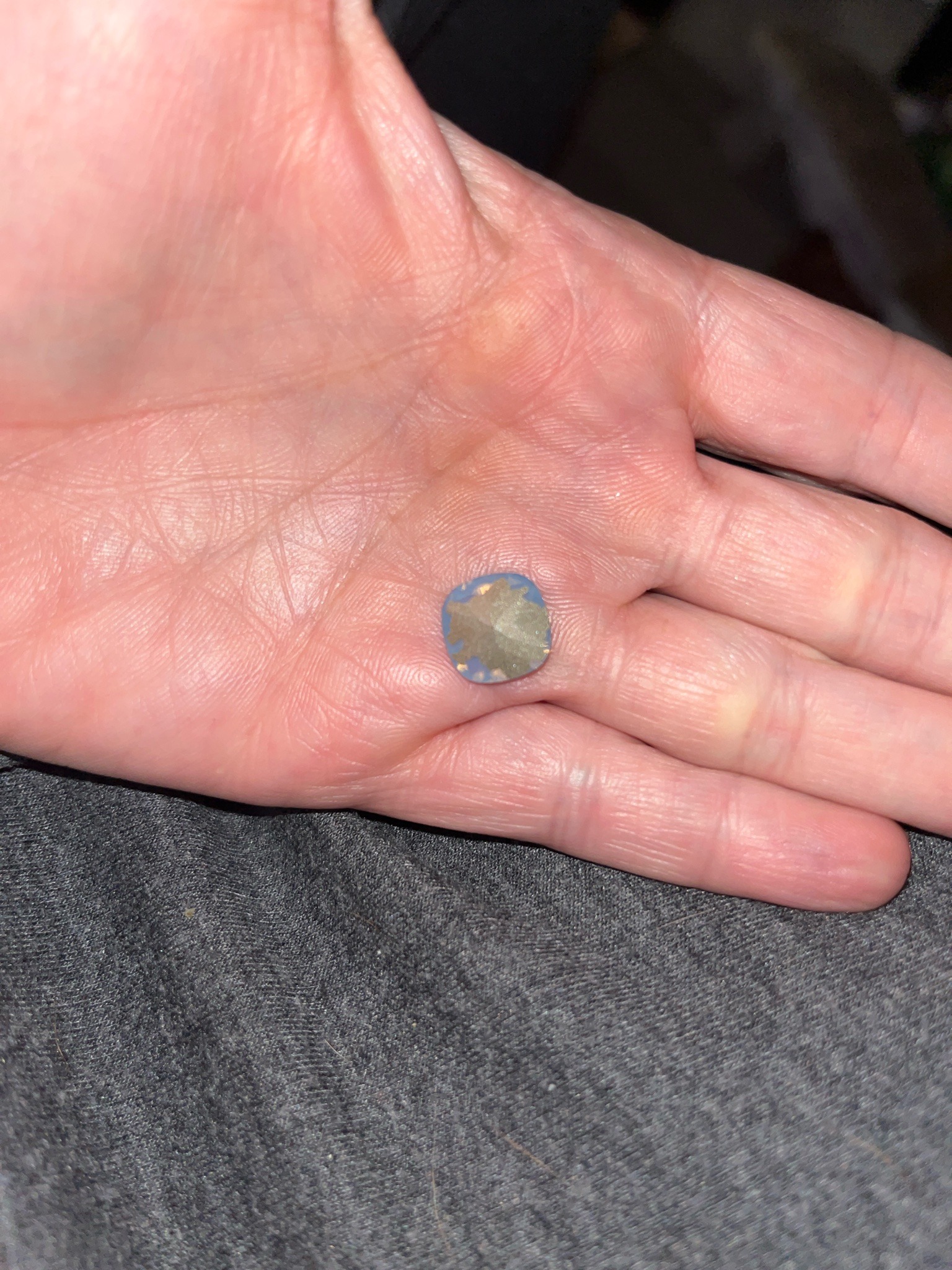
Cushion-cut blue iridescent glass gemstone

This name is the AI's identification of the item — it may be incorrect.

Submitted photo of Cushion-cut blue iridescent glass gemstone
Photo submitted by the user — not generated by AI

AI Estimated Value

Not an official valuation

$5.00 - $15.00

AI estimate as of June 14, 2026 · verify with a professional before acting

AI-Generated · Verify before acting

Everything on this page is generated by AI for informational purposes only. AI can make mistakes — the AI may misidentify items or misattribute them (artist, maker, brand, designer, origin, era). This is not an official valuation and should not be used for insurance, sale, tax, estate, legal, or lending purposes — or any decision requiring a certified appraisal. It is not an authoritative claim about any person, brand, or rights holder — do not share or rely on it as a factual statement about a third party. Always consult qualified professionals before making financial decisions.

Read the full disclaimer

AI Item Analysis

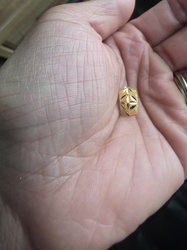
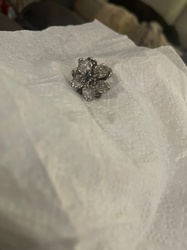
This item appears to be a loose, cushion-cut synthetic or glass gemstone, small in scale and shown resting in a person's palm for size context. The stone features various facets on its reverse side and exhibits a periwinkle-blue translucent body with an iridescent or 'aurora borealis' style coating on the flat back surface. This foil or vacuum-deposit coating shows signs of significant wear, with the metallic layer peeling or delaminating across the center, revealing the clear blue material underneath. The edges of the stone appear somewhat irregular, which is consistent with molded or machine-cut glass often used in costume jewelry. There are no visible maker's marks, signatures, or etched hallmarking present on the item. Stylistically, this element is consistent with mid-to-late 20th-century costume jewelry components, such as those produced by Swarovski or similar glass manufacturers for use in brooches or earrings. The identification remains hedged as a glass gemstone because physical testing for refractive index or hardness is not possible through a photograph, and there is no visible attribution mark to link it to a specific designer or brand.
AI Appraisal Report

Based on the provided imagery, I have examined this cushion-cut periwinkle-blue glass element. From what I can see, the item appears to be a mid-to-late 20th-century jewelry component, possibly manufactured by a firm such as Swarovski for the costume jewelry market. However, I cannot verify the material composition or manufacturer from a photo alone; physical testing for refractive index and hardness would be required to rule out synthetic spinel or sapphire, though the visible wear suggests glass. The value is significantly impacted by the condition of the iridescent 'aurora borealis' coating, which shows visible delamination and peeling. In the market for loose vintage components, items with such surface damage are generally valued as 'repurposing' pieces rather than collector-grade specimens. This estimate assumes the piece is a period glass component; if it were discovered to be a modern plastic imitation, the value would be negligible. Conversely, if it were documented as a rare specialty stone from a specific high-end designer's archive, the value could increase slightly, though the condition issues remain a primary limiting factor. To confirm this hypothesis, an in-person examination of the facet junctions and a search for microscopic acid-etched marks would be necessary. Generally, the market demand for damaged loose glass stones is low, primarily limited to artisans seeking vintage materials for distressed-style jewelry.

Keep exploring

More jewelry components appraisals

Get your items appraised

Instant AI-powered appraisal estimates from a photo

Browse More Appraisals