AI identification & appraisal estimate

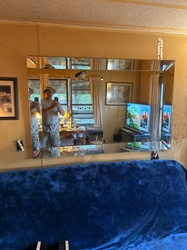
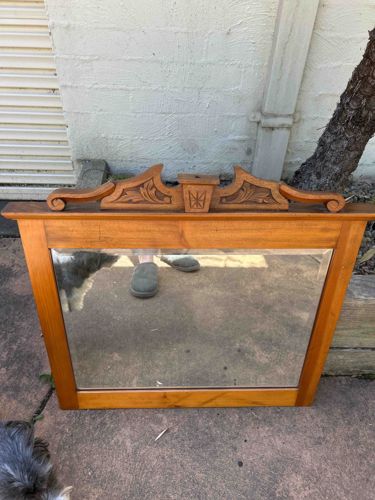
Vintage Carved Wood Pediment Beveled Wall Mirror

Submitted photo of Vintage Carved Wood Pediment Beveled Wall Mirror
Photo submitted by the user — not generated by AI

User's notes

Abacus

These notes were written by the person who submitted this item. Appraiser.AI has not verified them, and the AI's identification and estimate may rely on them.

AI Estimated Value

Not an official valuation

$125 - $225

AI estimate as of February 23, 2026 · verify with a professional before acting

AI-Generated · Verify before acting

Everything on this page is generated by AI for informational purposes only. AI can make mistakes — the AI may misidentify items or misattribute them (artist, maker, brand, designer, origin, era). This is not an official valuation and should not be used for insurance, sale, tax, estate, legal, or lending purposes — or any decision requiring a certified appraisal. It is not an authoritative claim about any person, brand, or rights holder — do not share or rely on it as a factual statement about a third party. Always consult qualified professionals before making financial decisions.

This analysis also relies on unverified notes provided by the user, which may be incomplete or inaccurate and could affect the result.

Read the full disclaimer

AI Item Analysis

This is a rectangular wall mirror featuring a prominent decorative carved wood pediment, likely dating from the early to mid-20th century. The frame is constructed from a solid light-toned wood, possibly pine or maple, showing a clear grain pattern with a warm honey-colored finish. The top of the frame is adorned with a stylized crown or pediment consisting of two symmetrical scrolling elements with floral leaf carvings and a central keystone block featuring a geometric incised design. The glass plate itself is rectangular with an elegant wide bevel along all four edges, which indicates a higher level of craftsmanship and adds depth to the piece. Physically, the item appears to be in good vintage condition with minor surface abrasions and light scratches consistent with age. There is some slight darkening of the wood in the crevices of the carvings, which provides natural contrast. No major silvering loss or 'foxing' is immediately visible on the mirror surface in the photo. The construction uses flat-panel joinery for the main frame, and the overall style suggests a transition between late Victorian aesthetic and early American Revival. The piece lacks visible maker's marks on the front, but its sturdy rectangular proportions suggest it was originally part of a vanity set or intended for a foyer placement.
AI Appraisal Report

After closely examining the provided images of this vintage wall mirror, I have determined it to be a charming example of the Early American Revival style, likely dating to the 1930s or 1940s. The piece features a light-toned hardwood frame—appearing to be maple or birch—crowned with a characteristic broken pediment and incised central block. The most significant value-adding feature is the intact, wide beveled glass plate, which indicates superior manufacturing quality for its era. The condition appears generally good for its age. The warm honey finish remains consistent, though I note minor surface abrasions typical of domestic use over several decades. The absence of significant silvering loss or 'foxing' (dark spots on the mirror backing) is a strong positive factor, as re-silvering is costly and diminishes original integrity. The carving is machine-routed with hand-finished details, consistent with mid-century mass production rather than bespoke cabinetmaking. In the current market, heavy wooden mirrors of this vintage have seen a slight dip in value compared to mid-century modern or true Victorian antiques, as they are sometimes viewed as 'brown furniture.' However, they remain popular for farmhouse or cottage-style interiors. Comparables in similar condition without a specific maker's mark generally sell at auction or retail consignment between $100 and $250. My appraisal assumes the backing is original and the frame joints are stable. Limitations of this photo-based assessment include the inability to inspect the back panel for hidden manufacturer stamps or construction dates, and I cannot verify the structural integrity of the corner joints without physical handling.

Keep exploring

More antique furniture and decor appraisals

Get your items appraised

Instant AI-powered appraisal estimates from a photo

Browse More Appraisals