Acheulean Chert Bifacial Scraper
Archaeological Artifacts

Acheulean Chert Bifacial Scraper

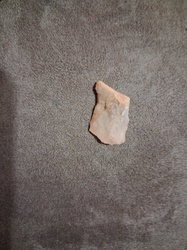
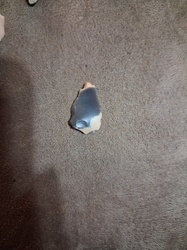
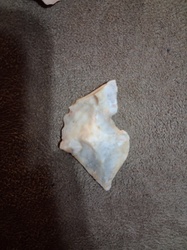
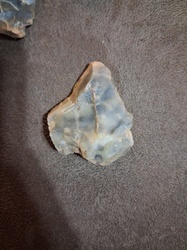
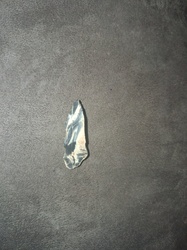
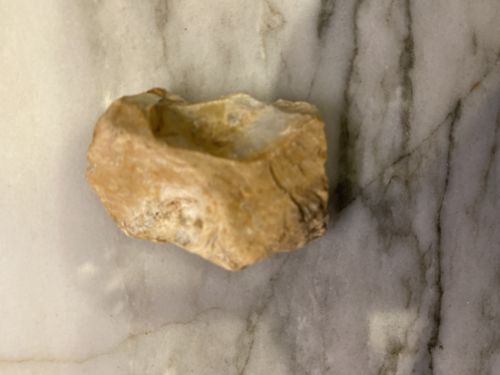
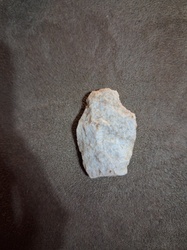
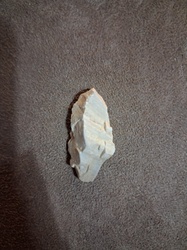
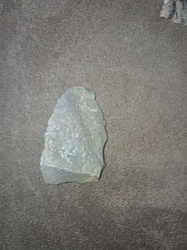
This artifact is a prehistoric stone tool measuring approximately 1.75 inches by 1 inch. It is composed of a dense, fine-grained chert material displaying a variegated tan, ochre, and creamy beige coloration. The item is characterized by a bifacial construction, meaning both surfaces have been intentionally worked through percussion and pressure flaking to create useable edges. The tool features significant thinning flakes and retouching along its margins, consistent with a scraper intended for processing hides or woodworking. The surface exhibits a natural desert varnish and light patina indicative of significant age and long-term exposure to the elements. There are no visible maker's marks or modern alterations, only the rhythmic scars of lithic reduction techniques. While identified as an Acheulean-style biface, such tools represent a sophisticated level of flintknapping craftsmanship from the Lower Paleolithic period, showcasing excellent control over the raw material's fracture points. The state of preservation is good, with some minor nicks and edge wear that appear to be ancient rather than recent damage, maintaining the integrity of the original tool's geometry.
Estimated Value

$150 - $250

Basic Information

Category

Archaeological Artifacts

Appraised On

February 28, 2026

Estimated Value

$150 - $250

Additional Details Provided By Owner

User Provided Information

Lower Paleolithic Acheulean chert bi face scraper found in Guthrie OK measuring 1.75" x 1"

Item Description

This artifact is a prehistoric stone tool measuring approximately 1.75 inches by 1 inch. It is composed of a dense, fine-grained chert material displaying a variegated tan, ochre, and creamy beige coloration. The item is characterized by a bifacial construction, meaning both surfaces have been intentionally worked through percussion and pressure flaking to create useable edges. The tool features significant thinning flakes and retouching along its margins, consistent with a scraper intended for processing hides or woodworking. The surface exhibits a natural desert varnish and light patina indicative of significant age and long-term exposure to the elements. There are no visible maker's marks or modern alterations, only the rhythmic scars of lithic reduction techniques. While identified as an Acheulean-style biface, such tools represent a sophisticated level of flintknapping craftsmanship from the Lower Paleolithic period, showcasing excellent control over the raw material's fracture points. The state of preservation is good, with some minor nicks and edge wear that appear to be ancient rather than recent damage, maintaining the integrity of the original tool's geometry.
Get Your Items Appraised

Instant estimates of your treasures with AI-powered instant appraisals

Browse More Appraisals