AI Appraisal Estimate

AI-generated estimates · not official valuations

From the user

What was submitted

Photo and notes provided by the user — not generated by AI

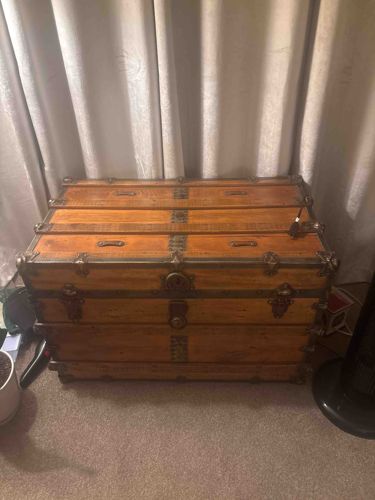
Submitted item photo
Submitted photo · June 6, 2026

User's notes

AI analysis below

AI appraisal

AI analysis & estimate

AI-Generated · Verify before acting

Everything below is generated by AI for informational purposes only. AI can make mistakes — the AI may misidentify items or misattribute them (artist, maker, brand, designer, origin, era). This is not an official valuation and should not be used for insurance, sale, tax, estate, legal, or lending purposes — or any decision requiring a certified appraisal. It is not an authoritative claim about any person, brand, or rights holder — do not share or rely on it as a factual statement about a third party. Always consult qualified professionals before making financial decisions.

Note

This analysis also relies on unverified notes provided by the user, which may be incomplete or inaccurate and could affect the result.

Read the full disclaimer

AI Identification

·Not independently authenticated·Verify before acting

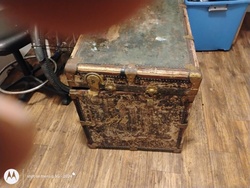
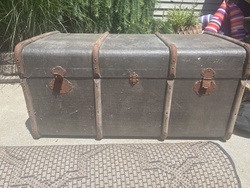
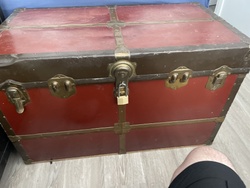
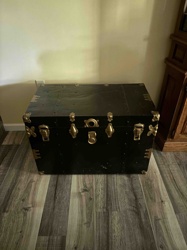
Late 19th Century Steamer Trunk with Slat-Top Design

Antique Furniture / Luggage

AI Estimated Value

·Not an official valuation·Verify before acting

$450 - $650

As of June 6, 2026

AI Item Analysis

·AI can make mistakes·Verify before acting
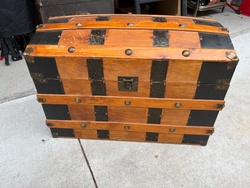
This is a late Victorian-era steamer trunk, likely dating from approximately 1880 to 1910. The trunk features a high-quality wood-slat construction, likely utilizing oak for the structural slats and pine or cedar for the body panels. It is reinforced with heavy-duty metal hardware, including wrap-around edge bumpers, corner protectors, and vertical banded slats. The primary color is a warm, honey-toned natural wood finish contrasted by darkened, patinated iron or steel metalwork. The lid is a 'slat-top' design, offering greater structural integrity than flat-top versions. Notable features include decorative cast metal clamps, two front toggle latches, and a central circular lock plate. Traces of original leather side handles appear to be missing or degraded, which is common for pieces of this age. The condition shows moderate wear consistent with its utilitarian history, including surface scratches on the wood, minor oxidation on the metal components, and some typical scuffing along the base. The craftsmanship suggests a professional manufacturer from the late 19th century, such as those produced by Taylor, Crouch & Fitzgerald, or similar American firms. The interior remains unseen but would traditionally contain a paper lining or a removable wooden tray. The aesthetic is a classic example of travel luggage from the industrial age, characterized by its heavy-duty rivet construction and ornate, yet functional, hardware.

AI Appraisal Report

·AI can make mistakes·Verify before acting
I have examined the digital representations of this late 19th-century slat-top steamer trunk, dating to approximately 1885-1905. The trunk displays characteristic Victorian industrial design, featuring honey-toned oak slats and robust patinated iron hardware. Based on my visual assessment, the structural integrity appears sound, though the missing leather side handles and surface oxidation on the metalwork are typical condition issues for stay-at-home or travel-worn pieces. The slat-top design is more desirable than flat-top utility models due to its aesthetic appeal and superior strength. Current market demand for antique luggage remains steady, primarily driven by interior designers seeking 'industrial chic' coffee tables or storage solutions. Comparable sales for identified American makers such as Taylor or Crouch & Fitzgerald fall within this mid-range when original hardware is intact but interior trays are missing. Factors impacting value include the lack of original lining and the wear on the base. While the hardware patterns are authentic for the period, a physical inspection is required to verify the wood species and check for hidden pest damage or structural rot. Full authentication would involve examining the lock plate for manufacturer stamps and searching for surviving paper labels inside. High-resolution images suggest an authentic piece, but a definitive valuation assumes there are no major odors or structural failures not visible in the photographs.

Get your items appraised

Instant estimates of your treasures with AI-powered appraisals

Browse More Appraisals