AI identification & appraisal estimate

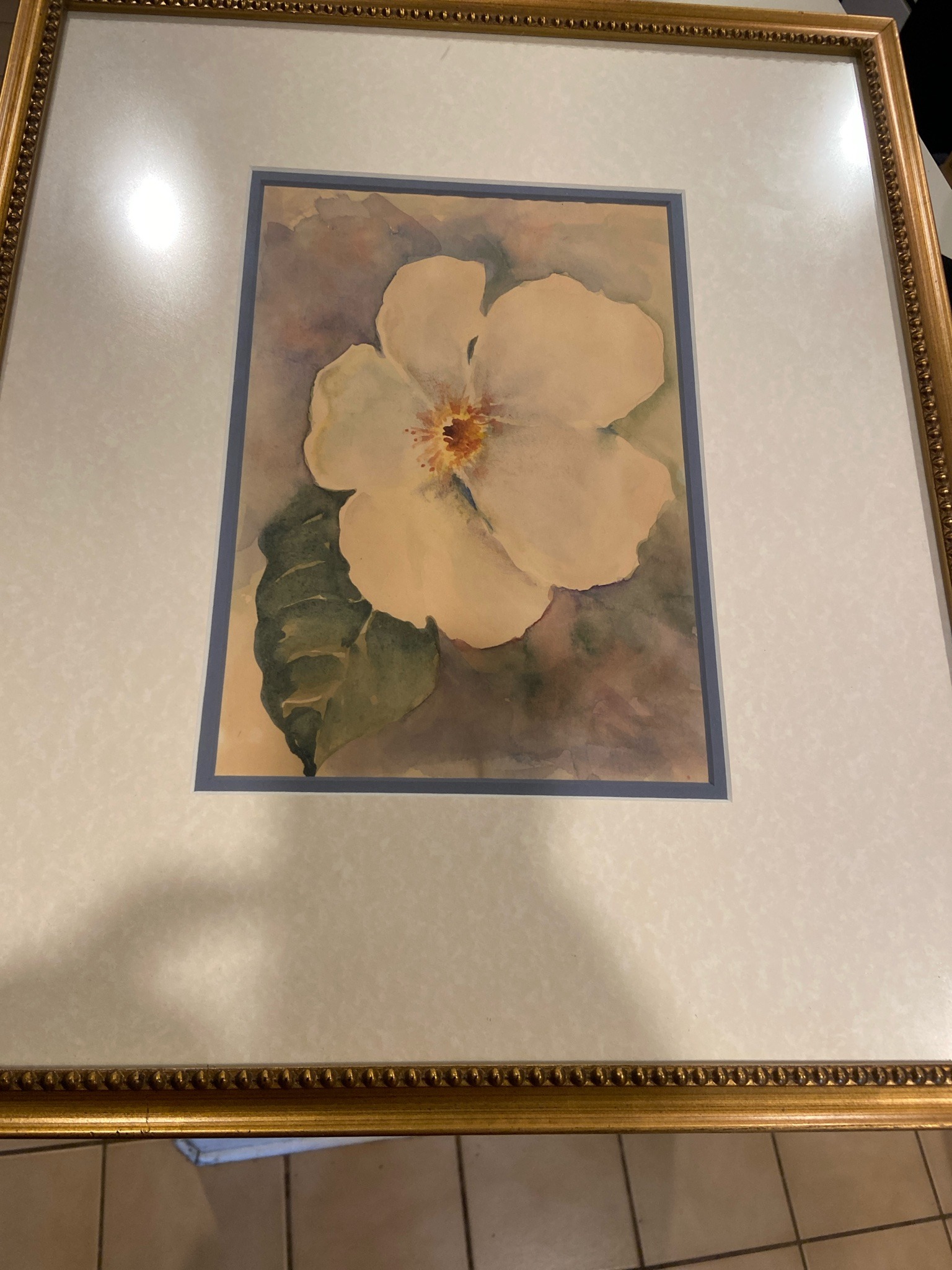
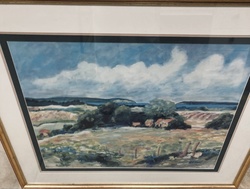
Framed floral watercolor in a style consistent with mid-to-late 20th-century botanical art

Submitted photo of Framed floral watercolor in a style consistent with mid-to-late 20th-century botanical art
Photo submitted by the user — not generated by AI

AI Estimated Value

Not an official valuation

$75 - $150

AI estimate as of June 6, 2026 · verify with a professional before acting

AI-Generated · Verify before acting

Everything on this page is generated by AI for informational purposes only. AI can make mistakes — the AI may misidentify items or misattribute them (artist, maker, brand, designer, origin, era). This is not an official valuation and should not be used for insurance, sale, tax, estate, legal, or lending purposes — or any decision requiring a certified appraisal. It is not an authoritative claim about any person, brand, or rights holder — do not share or rely on it as a factual statement about a third party. Always consult qualified professionals before making financial decisions.

Read the full disclaimer

AI Item Analysis

This item is a matted and framed watercolor painting depicting a single off-white flower, possibly a hibiscus or similar blossom, set against a variegated background of soft purple, blue, and earth tones. The artwork features visible wet-on-wet watercolor techniques, creating soft edges and subtle color bleeding. The central flower has a warm yellow and orange stamen, while a single large green leaf is visible at the lower left. The piece is housed in a decorative gold-toned wood or composite frame with a beaded inner border. It is mounted behind a double mat; the inner mat is a thin band of slate blue, and the outer mat is a wide, cream-colored surface with a subtle faux-marble or parchment texture. No signature or maker's mark is legible in the provided image, making an attribution to a specific artist impossible based solely on these visual cues. The overall aesthetic is consistent with late 20th-century commercial or decorative fine art. The frame shows some light reflections on the glass but appears to be in good condition without significant visible chips or cracks. The wide matting suggests it was likely framed for residential or professional office decor. Because no signature is visible, this must be considered an unsigned work in the manner of contemporary botanical watercolorists.
AI Appraisal Report

Based on my visual examination of the provided image, I have evaluated this matted and framed watercolor depicting a botanical subject. The artwork illustrates a single flower, possibly a hibiscus, executed with fluid wet-on-wet techniques. The piece is presented in a traditional decorative gold-toned frame with double matting, a style prevalent in the late 20th century for residential and office decor. I cannot identify a signature or maker's mark from the photo, which necessitates treating this as an unsigned work in the manner of contemporary botanical artists. While the execution shows competence in the medium, the lack of a visible attribution significantly impacts the market value. Based on what I can see, the value resides largely in the decorative appeal and the quality of the framing rather than a specific fine art pedigree. I cannot verify from a photo the specific age of the pigments or the archival quality of the matting materials. In the current market, decorative watercolors of this type typically sell within the $75 to $150 range. This estimate assumes the piece is a unique work on paper; if it were determined to be a high-quality mechanically produced print or a reproduction, the value would likely drop below $40. To achieve a more precise valuation or to uncover a hidden attribution, an in-person examination by a specialist would be required to inspect the paper under the matting for a signature or gallery labels. The presence of a verifiable signature by a known regional artist could increase the value significantly, whereas the current estimate reflects its status as an anonymous decorative object in good vintage condition. Regular demand for botanical art remains stable for interior design purposes, though interest in unsigned contemporary pieces is generally limited to local secondary markets and estate sales.

Keep exploring

More paintings appraisals

Get your items appraised

Instant AI-powered appraisal estimates from a photo

Browse More Appraisals