AI Appraisal Estimate

AI-generated estimates · not official valuations

From the user

What was submitted

Photo and notes provided by the user — not generated by AI

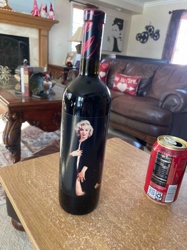
Submitted item photo
Submitted photo · June 20, 2026

User's notes

Antique silk painting

AI analysis below

AI appraisal

AI analysis & estimate

AI-Generated · Verify before acting

Everything below is generated by AI for informational purposes only. AI can make mistakes — the AI may misidentify items or misattribute them (artist, maker, brand, designer, origin, era). This is not an official valuation and should not be used for insurance, sale, tax, estate, legal, or lending purposes — or any decision requiring a certified appraisal. It is not an authoritative claim about any person, brand, or rights holder — do not share or rely on it as a factual statement about a third party. Always consult qualified professionals before making financial decisions.

Note

This analysis also relies on unverified notes provided by the user, which may be incomplete or inaccurate and could affect the result.

Read the full disclaimer

AI Identification

·Not independently authenticated·Verify before acting

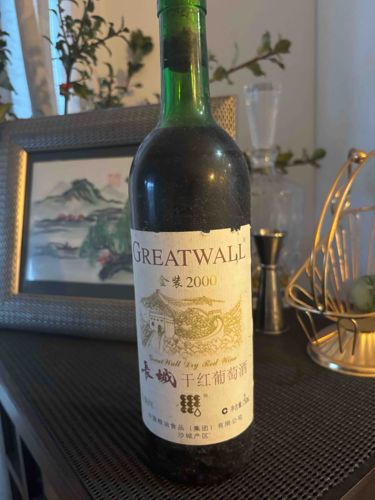
Great Wall Dry Red Wine Gold Label Vintage 2000

Collectibles - Wine & Spirits

AI Estimated Value

·Not an official valuation·Verify before acting

$45.00 - $70.00

As of June 20, 2026

AI Item Analysis

·AI can make mistakes·Verify before acting
This is a 750ml bottle of Great Wall Dry Red Wine, specifically the 'Gold Label' series from the 2000 vintage. The bottle is constructed of traditional green-tinted glass with a standard Bordeaux-style shape (high shoulders and a long neck). The liquid inside appears dark, consistent with an aged red wine. The primary label is a textured cream-colored paper featuring an illustration of the Great Wall of China in gold ink, with the brand name 'GREATWALL' prominently printed in black serif typography. Below the illustration, the vintage '2000' and Chinese characters for 'Great Wall Dry Red Wine' (长城 干红葡萄酒) are visible. There is a distinctive circular graphic containing a series of stylized dots/seeds near the bottom. Regarding condition, the bottle is covered in a significant layer of dust and surface grime, suggesting long-term stationary storage. The upper edge of the label shows minor fraying and material loss. The neck is sealed with a green foil capsule and what appears to be a natural cork, though the top of the cork shows signs of age and slight protrusion or recession. This item originates from China, produced by the China Great Wall Wine Co., Ltd., which is a pioneer in the modern Chinese winery industry. The year 2000 represents a historical era for Chinese viticulture as the industry was rapidly professionalizing and gaining international recognition.
AI Appraisal Report

·AI can make mistakes·Verify before acting
I have conducted a visual examination of this 750ml bottle of Great Wall Gold Label Vintage 2000 Dry Red Wine. Based on the label architecture and branding, the bottle appears authentic to the period when China Great Wall Wine Co., Ltd. was establishing its dominance in the domestic market. The Gold Label series represents a mid-to-high tier offering from that era. However, the physical condition poses significant risks to value. While the dust layer suggests a genuine 'cellar find' provenance, the visible aging of the cork and the potential protrusion/recession noted in the neck capsule are red flags for oxidation or poor temperature control over the last two decades. Chinese red wines from this vintage were generally intended for consumption within 5-10 years; without verified climate-controlled storage, the liquid is likely past its peak drinkability, shifting the category from a beverage to a 'historical curiosity' or 'label collection' item. The market for vintage Chinese wine of this era is niche, primarily driven by domestic collectors in mainland China rather than international fine wine investors. Factors like label fraying and grime further depreciate the 'display' value. For a definitive authentication and valuation, a physical inspection is required to check for 'ullage' (fill level), signs of seepage, and to verify the authenticity of the glass mold marks. Scientific testing of the liquid would be cost-prohibitive relative to the item's value. True valuation is contingent upon the seal's integrity and evidence of consistent 12-15°C storage history, which is currently undocumented.

Get your items appraised

Instant estimates of your treasures with AI-powered appraisals

Browse More Appraisals