AI Appraisal Estimate

AI-generated estimates · not official valuations

From the user

What was submitted

Photo and notes provided by the user — not generated by AI

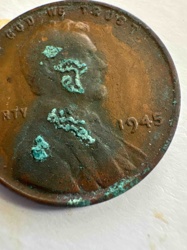
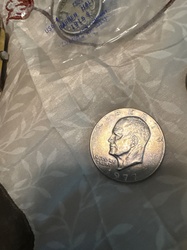
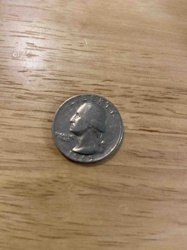
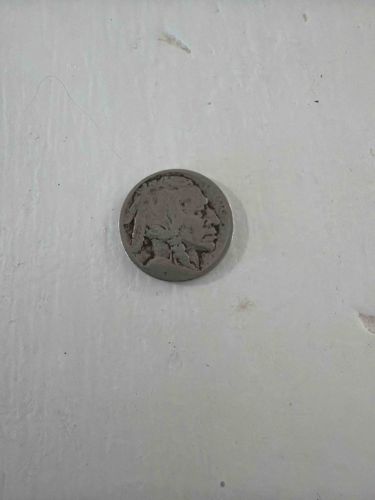
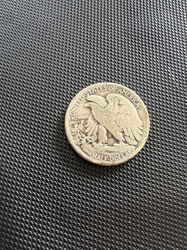
Submitted item photo
Submitted photo · May 30, 2026

User's notes

No additional notes provided.

AI analysis below

AI appraisal

AI analysis & estimate

AI-Generated · Verify before acting

Everything below is generated by AI for informational purposes only. AI can make mistakes — the AI may misidentify items or misattribute them (artist, maker, brand, designer, origin, era). This is not an official valuation and should not be used for insurance, sale, tax, estate, legal, or lending purposes — or any decision requiring a certified appraisal. It is not an authoritative claim about any person, brand, or rights holder — do not share or rely on it as a factual statement about a third party. Always consult qualified professionals before making financial decisions.

Read the full disclaimer

AI Identification

·Not independently authenticated·Verify before acting

United States Buffalo Nickel (Indian Head Nickel)

Numismatics / US Coins

AI Estimated Value

·Not an official valuation·Verify before acting

$0.10 - $0.25

As of May 30, 2026

AI Item Analysis

·AI can make mistakes·Verify before acting
This item is a United States five-cent piece, commonly known as a Buffalo Nickel or Indian Head Nickel, originally designed by sculptor James Earle Fraser. The coin is composed of a cupronickel alloy (75% copper, 25% nickel) and features the profile of a Native American man on the obverse. The coin exhibits significant circulation wear, consistent with a low grade (likely 'About Good' or 'Good'). The high points of the design, specifically the cheekbone, hair braid, and feather details, are significantly flattened. Most notably, the date on the shoulder area has been completely worn away, which is a common occurrence for this series as the date was positioned on a raised surface. The surface displays a dark, dull grey patina with some localized areas of greenish corrosion (verdigris) near the base of the neck, suggesting exposure to moisture or chemicals. The rim is worn thin but remains mostly intact. Without a visible date, this specimen is referred to as a 'dateless' buffalo nickel. These coins were minted by the US Mint between 1913 and 1938. Despite the heavy wear, the iconic profile remains clearly identifiable as a hallmark of early 20th-century American numismatic art.
AI Appraisal Report

·AI can make mistakes·Verify before acting
I have conducted a visual examination of the submitted United States Buffalo Nickel. Based on the provided description and image, the specimen is a heavily circulated cupronickel five-cent piece. The coin exhibits extreme wear consistent with a grade of 'About Good' (AG-3) or lower. Most significantly, the date is completely unreadable, a common issue for this series due to the high-relief positioning of the date on the obverse. While the silhouette of the Native American profile remains identifiable, the loss of the date and the presence of green verdigris (corrosion) on the lower obverse significantly detract from its numismatic appeal. In the current market, 'dateless' Buffalo Nickels are traded primarily as bulk 'filler' coins or for use in jewelry and buttons. While the series (1913–1938) is highly collected, value is driven by rarity and condition. Without a visible date or mint mark, it is impossible to determine if this is a common issue or a rare key date. Consequently, it is valued at its lowest commercial tier. Comparables for individual dateless nickels typically range from ten to twenty-five cents at retail, often sold in rolls of 40 for approximately $10–$15. Authentication via digital image is limited. While the wear patterns appear consistent with genuine coinage, I cannot verify the metallic composition or weight to rule out contemporary counterfeits or 'contemporary cast' fakes without a physical inspection. A definitive appraisal would require in-person examination using a 10x jeweler's loupe, precise weight scales, and potentially an acid-date treatment (though this is not recommended as it further damages the coin's surface). As it stands, the item's value is primarily historical rather than financial.

Get your items appraised

Instant estimates of your treasures with AI-powered appraisals

Browse More Appraisals