AI Appraisal Estimate

AI-generated estimates · not official valuations

From the user

What was submitted

Photo and notes provided by the user — not generated by AI

Submitted item photo
Submitted photo · June 1, 2026

User's notes

No additional notes provided.

AI analysis below

AI appraisal

AI analysis & estimate

AI-Generated · Verify before acting

Everything below is generated by AI for informational purposes only. AI can make mistakes — the AI may misidentify items or misattribute them (artist, maker, brand, designer, origin, era). This is not an official valuation and should not be used for insurance, sale, tax, estate, legal, or lending purposes — or any decision requiring a certified appraisal. It is not an authoritative claim about any person, brand, or rights holder — do not share or rely on it as a factual statement about a third party. Always consult qualified professionals before making financial decisions.

Read the full disclaimer

AI Identification

·Not independently authenticated·Verify before acting

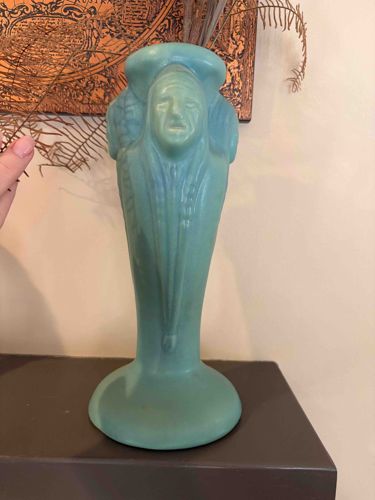
American Art Pottery Native American Indian Chief Vase

Art Pottery & Ceramics

AI Estimated Value

·Not an official valuation·Verify before acting

$45.00 - $75.00

As of June 1, 2026

AI Item Analysis

·AI can make mistakes·Verify before acting
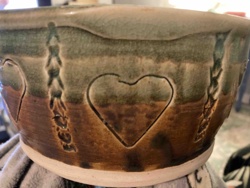
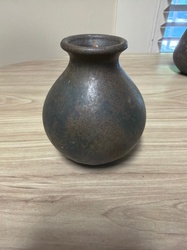
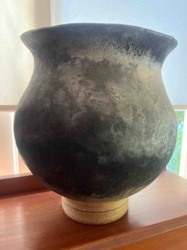
This is a vintage ceramic art pottery bud vase featuring a relief-molded motif of a Native American Indian Chief. The item is characterized by its satin matte glaze in a soft turquoise or seafoam green color, synonymous with mid-century American pottery production. The sculpture depicts a stylized male head with long, flowing braided hair or decorative elements that taper down the neck of the vase, which flares out into a weighted circular pedestal base. The facial features are rendered with expressive, deep lines indicating an aged figure. In terms of construction, it appears to be slip-cast ceramic with a consistently applied monochrome glaze. Notable features include the symmetrical design of the back of the headdress appearing on both sides. The condition appears fair to good; there is visible surface grime and dark scuffing/patina, particularly around the raised facial features and the base, which may indicate handling wear or shelf rub. No major cracks or chips are immediately visible in this view, though fine crazing is common in this type of glaze. Based on the style and color, this piece likely originates from a manufacturer like Frankoma or Weller, typically dating from the 1930s to the 1950s. The craftsmanship shows high-quality mold detail, particularly in the rendering of the braids and facial creases, which adds historic and decorative value.
AI Appraisal Report

·AI can make mistakes·Verify before acting
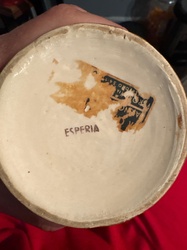
I have examined the provided images of this Art Pottery Native American Indian Chief bud vase. The piece exhibits characteristics consistent with American Art Pottery from the mid-20th century, specifically the 'Seminole' or 'Indian' theme lines popular during the 1940s-1950s. The satin matte seafoam green glaze is a classic palette for the era. The mold detail remains sharp, particularly in the facial creases and texture of the braids. The condition appears fair to good. I observe significant surface grime and dark scuffing/rubbing on the nose and cheekbones, which is common in relief pieces but may indicate localized glaze loss or permanent staining if the scuffing has penetrated the matte finish. While no structural cracks are evident, the base shows heavy shelf wear. The current market for mid-tier American pottery is stable but saturated. This piece is likely a product of Frankoma, Niloak, or a contemporary competitor. Similar unmarketed or mass-produced slip-cast 'Indian Head' vases of this size frequently sell in the $40 to $80 range. Rarity is limited as these were commercial decorative wares rather than limited studio pieces. Final valuation is limited by the absence of a visible maker’s mark or signature. A physical inspection is required to check the underside for impressed marks (e.g., 'Frankoma 115') and to feel for 'flea bites' or restored chips along the rim. Full authentication would also require examining the fired clay color (color of the paste) at the unglazed foot, which helps differentiate manufacturers. This appraisal is based on visual data only; provenance or a documented artist mark could increase value toward the upper end of the estimate.

Get your items appraised

Instant estimates of your treasures with AI-powered appraisals

Browse More Appraisals