AI Appraisal Estimate

AI-generated estimates · not official valuations

From the user

What was submitted

Photo and notes provided by the user — not generated by AI

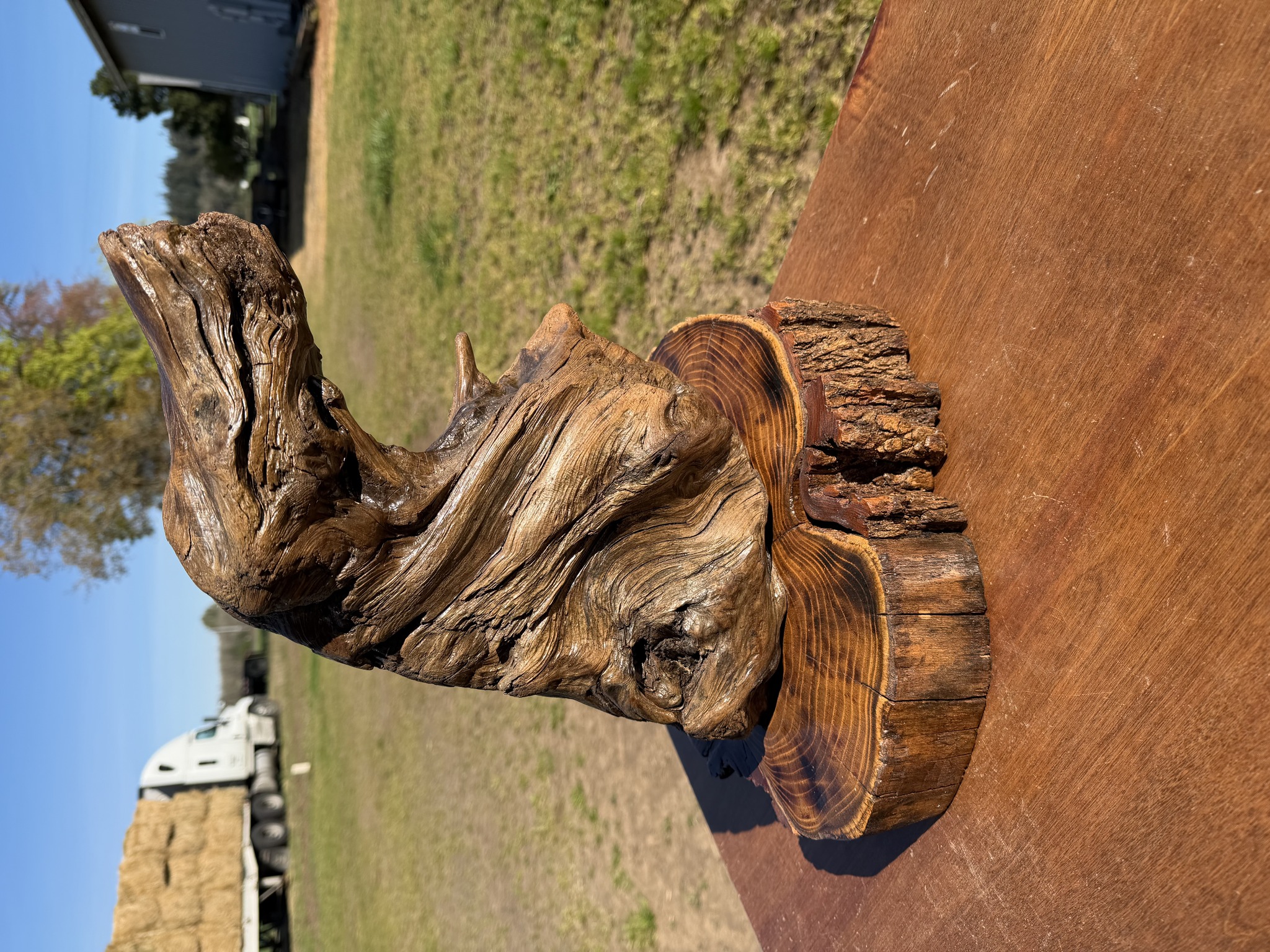
Submitted item photo
Submitted photo · June 1, 2026

User's notes

drift wood dog figure mounted on yew wood 16x13x12"

AI analysis below

AI appraisal

AI analysis & estimate

AI-Generated · Verify before acting

Everything below is generated by AI for informational purposes only. AI can make mistakes — the AI may misidentify items or misattribute them (artist, maker, brand, designer, origin, era). This is not an official valuation and should not be used for insurance, sale, tax, estate, legal, or lending purposes — or any decision requiring a certified appraisal. It is not an authoritative claim about any person, brand, or rights holder — do not share or rely on it as a factual statement about a third party. Always consult qualified professionals before making financial decisions.

Note

This analysis also relies on unverified notes provided by the user, which may be incomplete or inaccurate and could affect the result.

Read the full disclaimer

AI Identification

·Not independently authenticated·Verify before acting

Anthropomorphic Driftwood Figural Sculpture on Yew Wood Base

Decorative Arts / Organic Modernist Sculpture

AI Estimated Value

·Not an official valuation·Verify before acting

$450 - $650

As of June 1, 2026

AI Item Analysis

·AI can make mistakes·Verify before acting
This organic tabletop sculpture measures approximately 16x13x12 inches and features a naturally weathered piece of driftwood selected for its coincidental resemblance to a seated dog or canine figure. The piece is constructed from a gnarled, dense wood burl or root system characterized by deep longitudinal graining, undulating textures, and several small protruding knots that serve as metaphorical limbs or features. The color palette consists of rich, warm amber and mahogany tones, likely enhanced by a wax or varnish finish to protect the fibers and heighten the natural grain patterns. The figure is securely mounted atop a thick cross-section of yew wood, which acts as a plinth. This base retains its natural rough-hewn bark on the exterior edge, while the top surface displays prominent concentric growth rings and a deep, reddish heartwood. The condition appears excellent with a well-developed patina, though natural checks (cracks) are visible in both the figure and the base, which are characteristic of mature, dried wood. There are no visible maker's marks, suggesting it is a unique piece of folk art or mid-century style organic modernism. The craftsmanship is evident in the selection of the wood and the clean joinery between the two disparate organic elements.
AI Appraisal Report

·AI can make mistakes·Verify before acting
I have carefully examined the 16x13x12 inch anthropomorphic driftwood sculpture. This piece belongs to the tradition of 'Found Object' art or Organic Modernism, popularized during the mid-20th century. The sculpture exhibits a remarkable natural resemblance to a seated canine, a quality highly sought after by collectors of zoomorphic driftwood. The specimen is dense, likely a burl or root system, and displays a rich, hand-rubbed patina that suggests several decades of age rather than a modern reproduction. The base—a thick yew wood plinth—is of high quality and provides a significant aesthetic anchor with its vibrant heartwood. Condition is excellent; the visible checking is consistent with naturally aged hardwoods and does not compromise structural integrity. The market for anonymous organic folk art remains steady, particularly among interior designers seeking 'Organic Modern' statement pieces. High-end galleries often price similar zoomorphic specimens between $400 and $900 depending on the level of anatomical clarity. This specific piece’s value is bolstered by its scale and the quality of the yew base, though the lack of a known artist's signature caps its top-end potential. Limitations: My assessment is based on visual examination of the provided images. Without a physical inspection, I cannot definitively confirm the species of wood or the presence of hidden repairs. A full authentication would require an in-person viewing to assess the joinery techniques and wood density. Additionally, provenance documentation (such as a bill of sale or exhibition history) would be necessary to elevate the valuation into a higher 'Fine Art' category if the piece were attributable to a documented artist of the mid-century period.

Get your items appraised

Instant estimates of your treasures with AI-powered appraisals

Browse More Appraisals