AI Appraisal Estimate

AI-generated estimates · not official valuations

From the user

What was submitted

Photo and notes provided by the user — not generated by AI

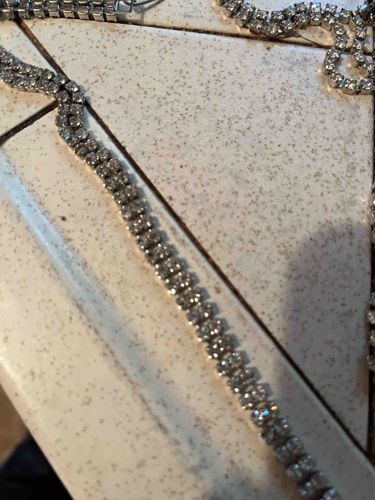
Submitted item photo
Submitted photo · May 28, 2026

User's notes

No additional notes provided.

AI analysis below

AI appraisal

AI analysis & estimate

AI-Generated · Verify before acting

Everything below is generated by AI for informational purposes only. AI can make mistakes — the AI may misidentify items or misattribute them (artist, maker, brand, designer, origin, era). This is not an official valuation and should not be used for insurance, sale, tax, estate, legal, or lending purposes — or any decision requiring a certified appraisal. It is not an authoritative claim about any person, brand, or rights holder — do not share or rely on it as a factual statement about a third party. Always consult qualified professionals before making financial decisions.

Read the full disclaimer

AI Identification

·Not independently authenticated·Verify before acting

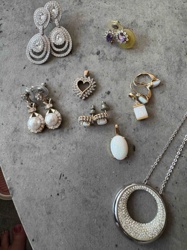
Vintage Double-Row Rhinestone Choker Necklace

Jewelry

AI Estimated Value

·Not an official valuation·Verify before acting

$75 - $125

As of May 28, 2026

AI Item Analysis

·AI can make mistakes·Verify before acting
The item appears to be a vintage rhinestone choker necklace, possibly made of silver-tone metal such as rhodium-plated brass or pot metal, given its age and typical construction of such pieces. The necklace features a double-row design, with each row consisting of individually set clear rhinestones. The rhinestones are uniformly round and small, indicating a consistent manufacturing process, and they exhibit significant sparkle, suggesting good facet cuts typical of quality rhinestones from the mid-20th century. The setting appears to be a prong-style setting for each stone, securely holding them in place. There are no visible maker's marks or stamps, which is common for costume jewelry of this era. The overall condition seems to be good, with all stones present and intact, and no obvious signs of missing rhinestones. There might be some minor patina or discoloration on the metal consistent with age, but this is not clearly discernible without a closer inspection. This style of choker was popular from the 1930s through the 1960s, often worn for formal events or to add glamour to an outfit. Its quality is indicated by the consistent stone setting and the apparent brilliance of the rhinestones. Given its potential age, it's possible it could be a piece of mid-century costume jewelry. The construction seems sturdy, implying decent craftsmanship. This type of necklace would have been a high-quality costume piece intended to mimic diamond jewelry.
AI Appraisal Report

·AI can make mistakes·Verify before acting
Upon visual examination of the provided image, this Vintage Double-Row Rhinestone Choker Necklace appears to be a well-preserved example of mid-20th-century costume jewelry. The double-row design and consistent setting of clear, brilliant rhinestones suggest good quality for its type. All stones seem present and securely prong-set, which is a positive indicator of its condition. There are no obvious signs of missing stones or significant damage. The absence of maker's marks is typical for costume pieces of this era and does not diminish authenticity. However, authenticating the precise metal composition (e.g., rhodium-plated brass vs. pot metal) and confirming the absence of significant metal discoloration or wear would require a direct physical inspection. Market conditions for vintage costume jewelry, particularly rhinestone pieces, are generally stable, driven by collectors and enthusiasts of historical fashion. Comparable pieces in good condition, especially those with consistent stone brilliance and secure settings, typically fetch moderate prices. Demand is consistent for classic, versatile designs such as this choker. While not exceptionally rare, a piece in such apparent good condition enhances its desirability. Factors significantly impacting value include the intactness of all stones, lack of yellowing or dullness in the rhinestones, and minimal metal corrosion. Limitations in authenticity verification from images alone include the inability to fully assess metal quality, clasp functionality, and the presence of micro-scratches or faint patina. A physical examination would allow for closer inspection of the metal's finish, confirmation of stone brilliance under varying light, and a thorough check for any hidden damage or repairs. Provenance documentation, though unlikely for this type of item, would provide historical context. Scientific testing is generally not applied to costume jewelry of this caliber.

Get your items appraised

Instant estimates of your treasures with AI-powered appraisals

Browse More Appraisals