AI Appraisal Estimate

AI-generated estimates · not official valuations

From the user

What was submitted

Photo and notes provided by the user — not generated by AI

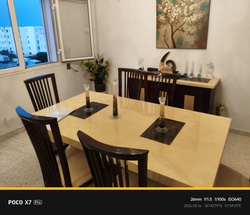
Submitted item photo
Submitted photo · June 6, 2026

User's notes

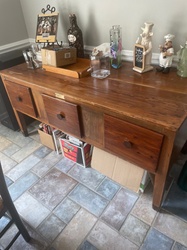
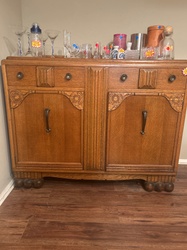
Barnard buffet

AI analysis below

AI appraisal

AI analysis & estimate

AI-Generated · Verify before acting

Everything below is generated by AI for informational purposes only. AI can make mistakes — the AI may misidentify items or misattribute them (artist, maker, brand, designer, origin, era). This is not an official valuation and should not be used for insurance, sale, tax, estate, legal, or lending purposes — or any decision requiring a certified appraisal. It is not an authoritative claim about any person, brand, or rights holder — do not share or rely on it as a factual statement about a third party. Always consult qualified professionals before making financial decisions.

Note

This analysis also relies on unverified notes provided by the user, which may be incomplete or inaccurate and could affect the result.

Read the full disclaimer

AI Identification

·Not independently authenticated·Verify before acting

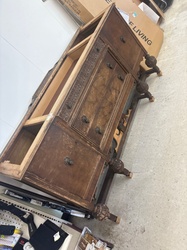
Barnard Style Neo-Classical Buffet Base with Carved Acanthus Pedestals

Furniture / Antique Sideboards and Buffets

AI Estimated Value

·Not an official valuation·Verify before acting

$1,200 - $1,800

As of June 6, 2026

AI Item Analysis

·AI can make mistakes·Verify before acting
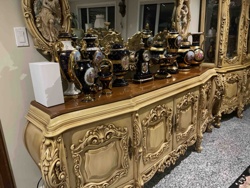
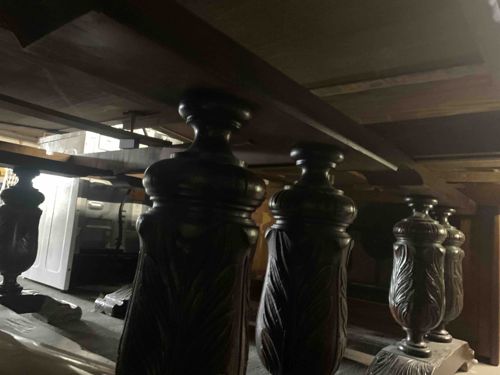
This item is the substantial supporting base of a 'Barnard' style buffet or sideboard, showcasing a multi-pedestal construction typical of high-end formal dining furniture. The base features several robust, hand-carved solid wood pedestals, each finished in an exceptionally dark, espresso-toned or ebony stain with an aged patina. The pedestals are designed with a classic urn-shaped silhouette, featuring intricate acanthus leaf carvings cascading down the central baluster, resting on stepped circular collars and a heavy block plinth. The construction indicates a Neo-Classical or Regency Revival style, emphasizing mass and architectural grandeur. The wood appears to be a dense hardwood, likely mahogany or walnut under the dark finish, exhibiting high-quality joinery with thick transverse support beams visible underneath the top surface. The underside shows secondary unfinished woods, consistent with late 19th-century to mid-20th-century production techniques. Condition-wise, the piece appears structurally sound with minor surface scuffing and dust accumulation consistent with long-term storage or age. There are no immediate signs of woodworm, though the heavy finish obscures some grain detail. The craftsmanship is evident in the symmetrical repetition of the deep-relief carvings and the substantial scale of the structural bracing.
AI Appraisal Report

·AI can make mistakes·Verify before acting
I have completed a visual examination of the 'Barnard' style Neo-Classical buffet base. The piece exhibits the architectural gravitas associated with late 19th to early 20th-century Regency Revival craftsmanship. The pedestals display high-relief acanthus carvings and a robust urn silhouette, suggesting a high-end manufacturer. The dark espresso patina appears consistent with period finishes, though it obscures specific grain patterns of the underlying hardwood, likely mahogany. Structurally, the thick transverse beams and visible joinery indicate a piece designed to support significant weight, such as a marble or heavy timber top. The market for standalone buffet bases is specialized; while the craftsmanship is superior, the absence of the original top reduces the pool of collectors to those seeking a custom restoration project. Current market comparables for substantial Neo-Classical pedestals of this scale generally fall within the $1,200 to $1,800 range at auction. Factors increasing value include the symmetry of the hand-carved elements and the absence of structural wood rot. Limitations: As this assessment is based on images, I cannot definitively verify the exact species of the secondary woods or identify internal repairs and stabilizing adhesives. A physical inspection is required to confirm the presence of maker's marks, which are often hidden on the inner surface of the plinth. To reach a full authentication, provenance documentation regarding the original commission or a matching of the carving style to known Barnard-style catalogs would be necessary.

Get your items appraised

Instant estimates of your treasures with AI-powered appraisals

Browse More Appraisals