AI Appraisal Estimate

AI-generated estimates · not official valuations

From the user

What was submitted

Photo and notes provided by the user — not generated by AI

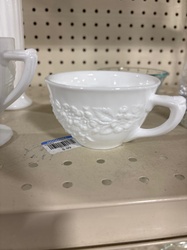
Submitted item photo
Submitted photo · July 3, 2026

User's notes

No additional notes provided.

AI analysis below

AI appraisal

AI analysis & estimate

AI-Generated · Verify before acting

Everything below is generated by AI for informational purposes only. AI can make mistakes — the AI may misidentify items or misattribute them (artist, maker, brand, designer, origin, era). This is not an official valuation and should not be used for insurance, sale, tax, estate, legal, or lending purposes — or any decision requiring a certified appraisal. It is not an authoritative claim about any person, brand, or rights holder — do not share or rely on it as a factual statement about a third party. Always consult qualified professionals before making financial decisions.

Read the full disclaimer

AI Identification

·Not independently authenticated·Verify before acting

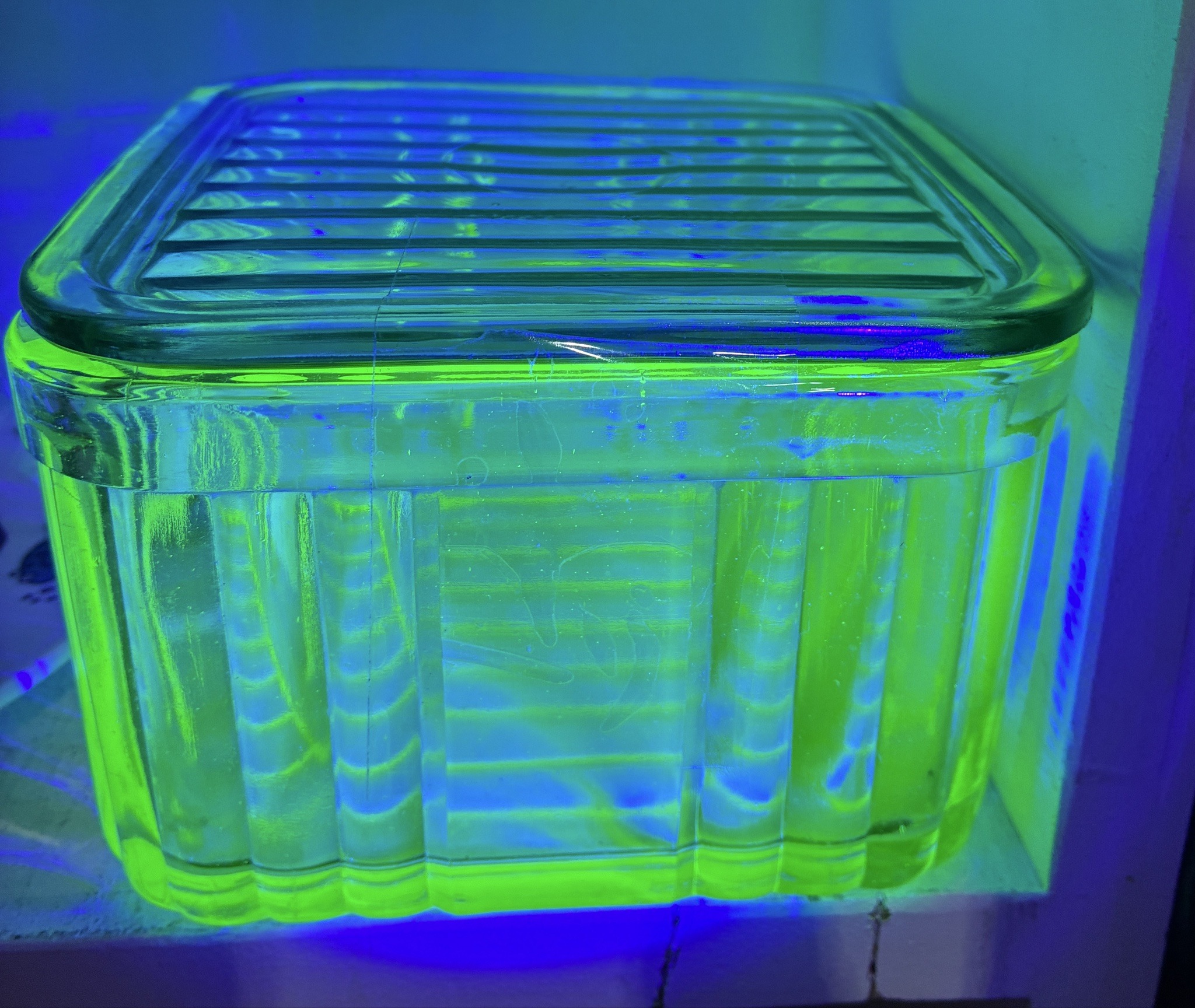
Pressed glass refrigerator dish appearing consistent with Uranium Glass

Collectible Glassware

AI Estimated Value

·Not an official valuation·Verify before acting

$45.00 - $75.00

As of July 3, 2026

AI Item Analysis

·AI can make mistakes·Verify before acting
This item is a rectangular pressed glass storage container, often referred to as a refrigerator dish, featuring a matching lid. The glass exhibits a vivid neon-green fluorescence under ultraviolet (UV) light, which is stylistically consistent with glass containing uranium oxide as a colorant. The body of the container is decorated with vertical molded ribs, while the lid features horizontal ribbing, creating a textured geometric pattern typical of Depression-era kitchenware. The glass appears to have a thick, heavy construction with a prominent rim where the lid rests. Based on visual inspection under this lighting, the piece is consistent with mid-20th-century American pressed glass production, such as those made by companies like Hocking Glass or Federal Glass, though no manufacturer's mark is visible in the image. There are visible surface scratches and minor abrasions consistent with age and domestic use. A vertical line is visible on the lid, which may be a mold mark from manufacturing or a stress fracture; physical inspection would be required to distinguish between the two. The attribution to 'uranium glass' is a hypothesis based on the characteristic UV glow, as other materials can sometimes fluoresce under specific lighting conditions.
AI Appraisal Report

·AI can make mistakes·Verify before acting
Based on my examination of the provided imagery, I have evaluated this pressed glass refrigerator dish and lid. I can observe a vivid green fluorescence under UV light, which is consistent with the presence of uranium oxide. However, I cannot verify the chemical composition or age from a photo; a physical inspection or Geiger counter test would be required to confirm the material. The vertical and horizontal ribbing patterns are consistent with mid-20th-century American production by companies such as Federal Glass or Hocking Glass, though I note the absence of visible manufacturer marks. My value estimate is based on the working hypothesis that this is a period-accurate uranium glass piece. I can see surface abrasions and a line on the lid that may be a mold mark or a stress fracture; I cannot determine the depth of this flaw without handling the item, which could negatively impact the value. The market for Depression-era 'Green Glow' kitchenware remains steady due to its cross-collectibility in both glassware and science-interest sectors. Typically, items of this type at the assumed attribution sell within the $45-$75 range. If the piece were found to be a modern reproduction or the fluorescence was caused by a different additive, the value would likely drop to $15-$25. To increase confidence in this appraisal, one would need to verify the age of the glass through tactile inspection of wear patterns and confirm the uranium content via a radiation detector. The value remains contingent on these factors, as unauthenticated glass of this style typically commands a lower premium than those with a supported attribution to the early-to-mid 20th century.

Get your items appraised

Instant estimates of your treasures with AI-powered appraisals

Browse More Appraisals