AI Appraisal Estimate

AI-generated estimates · not official valuations

From the user

What was submitted

Photo and notes provided by the user — not generated by AI

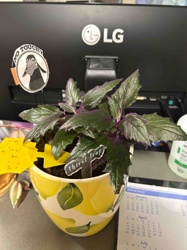
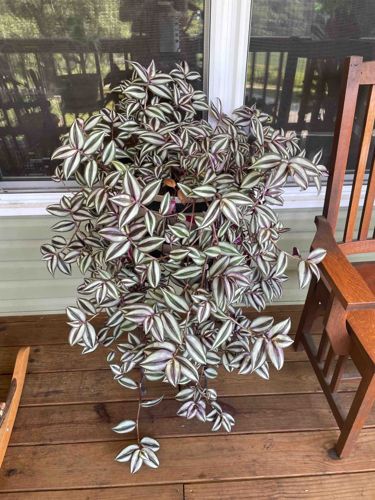
Submitted item photo
Submitted photo · May 27, 2026

User's notes

No additional notes provided.

AI analysis below

AI appraisal

AI analysis & estimate

AI-Generated · Verify before acting

Everything below is generated by AI for informational purposes only. AI can make mistakes — the AI may misidentify items or misattribute them (artist, maker, brand, designer, origin, era). This is not an official valuation and should not be used for insurance, sale, tax, estate, legal, or lending purposes — or any decision requiring a certified appraisal. It is not an authoritative claim about any person, brand, or rights holder — do not share or rely on it as a factual statement about a third party. Always consult qualified professionals before making financial decisions.

Read the full disclaimer

AI Identification

·Not independently authenticated·Verify before acting

Tradescantia zebrina (Wandering Jew / Inchplant)

Houseplant / Ornamental Plant

AI Estimated Value

·Not an official valuation·Verify before acting

$25

As of May 27, 2026

AI Item Analysis

·AI can make mistakes·Verify before acting
This item is a vibrant and healthy potted plant identified as a 'Tradescantia zebrina', commonly known as Wandering Jew or Inchplant. The plant exhibits lush foliage with a dense, mounding habit from which several cascading stems trail downwards. The leaves are ovate to lance-shaped, approximately 2-4 inches in length, and strikingly variegated. The upper surface of the leaves features prominent stripes of metallic silver or light green alternating with dark green or purplish-green bands. The undersides of the leaves are a rich purple hue, which is characteristic of the species and contributes to its visual appeal. The stems are slender and appears to be succulent, displaying a reddish-purple color. The plant is well-established, showing no significant signs of pests or diseases. A few leaves may show minor browning at the tips, which is common in houseplants but does not detract from its overall vitality. No visible manufacturing details, maker's marks, or signatures are present as this is a living plant. It appears to be a mature specimen, suggesting an estimated age of one to two years based on its size and fullness. The plant is currently housed in an obscured pot, likely plastic, and is sitting on a wooden porch or deck. The overall craftsmanship is natural, indicating good cultural care, resulting in a robust and aesthetically pleasing plant.
AI Appraisal Report

·AI can make mistakes·Verify before acting
I have examined the provided image of this Tradescantia zebrina, commonly known as Wandering Jew or Inchplant. Based on its vibrant appearance and the detailed description, I assess its authenticity as a healthy specimen of the species. The foliage exhibits characteristic variegation and rich purple undersides, indicating good cultural care and robust growth. The plant's dense, mounding habit with cascading stems suggests a mature and well-established specimen, likely 1-2 years old. The condition appears excellent, with no significant signs of pests or diseases. Minor browning on a few leaf tips is common and does not detract from its overall vitality or aesthetic appeal. The obscured pot, likely plastic, is typical for retail houseplants and does not significantly impact value. The natural 'craftsmanship' reflects attentive care, resulting in a visually appealing plant. In terms of market conditions, Tradescantia zebrina is a popular and widely available houseplant, readily propagated and grown. This high availability limits its rarity and, consequently, its market value. Comparables for a plant of this size and health typically range from $15 to $35 at nurseries or retail garden centers, depending on the specific cultivar and pot size. While popular, demand is consistent rather than extraordinary. The factors significantly impacting value are primarily the plant's health, size, and aesthetic appeal. This specimen scores highly on all these points. However, its commonality inherently caps its appraisal value. Limitations in authenticity verification from images alone are minimal for a common live plant like this; a physical inspection would only confirm the absence of pests or diseases more definitively and allow for an assessment of root health, which is not visible.

Get your items appraised

Instant estimates of your treasures with AI-powered appraisals

Browse More Appraisals