AI identification & appraisal estimate

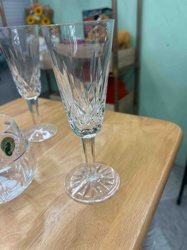
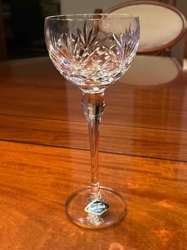
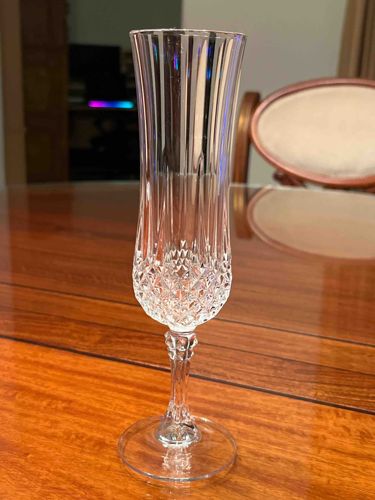
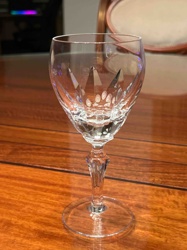
Edinburgh Crystal Star of Edinburgh Champagne Flute

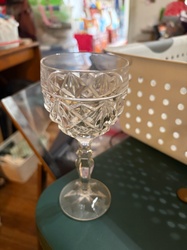
Submitted photo of Edinburgh Crystal Star of Edinburgh Champagne Flute
Photo submitted by the user — not generated by AI

User's notes

Edinburgh crystal champagne flute

These notes were written by the person who submitted this item. Appraiser.AI has not verified them, and the AI's identification and estimate may rely on them.

AI Estimated Value

Not an official valuation

$45.00 - $65.00

AI estimate as of January 13, 2026 · verify with a professional before acting

AI-Generated · Verify before acting

Everything on this page is generated by AI for informational purposes only. AI can make mistakes — the AI may misidentify items or misattribute them (artist, maker, brand, designer, origin, era). This is not an official valuation and should not be used for insurance, sale, tax, estate, legal, or lending purposes — or any decision requiring a certified appraisal. It is not an authoritative claim about any person, brand, or rights holder — do not share or rely on it as a factual statement about a third party. Always consult qualified professionals before making financial decisions.

This analysis also relies on unverified notes provided by the user, which may be incomplete or inaccurate and could affect the result.

Read the full disclaimer

AI Item Analysis

This is a fine example of a champagne flute produced by Edinburgh Crystal, specifically in the iconic 'Star of Edinburgh' pattern. The piece is crafted from high-quality lead crystal, characterized by its remarkable clarity and high refractive index, which creates a brilliant sparkle when exposed to light. The design features a trumpet-shaped bowl with deep vertical mitre cuts on the upper half, transitioning into a dense, diamond-cut 'criss-cross' pattern around the base of the bowl. The flute stands on a multi-faceted, notched hexagonal stem that tapers elegantly toward a plain, circular foot. This combination of hand-cut geometries is a hallmark of traditional Scottish glassmaking. The item appears to be in excellent used condition with no visible chips, cracks, or clouding, maintaining its original luster. Estimated to date from the late 20th century, this piece showcases superior craftsmanship, evidenced by the sharpness of the cuts and the substantial weight of the crystal. While a maker's mark is likely acid-etched on the underside of the base, it is not immediately visible in the photograph. This pattern remains one of the most prestigious and recognizable collections from the now-defunct manufacturer.
AI Appraisal Report

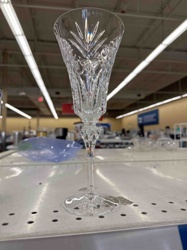
Based on my examination of the digital images and description, I have evaluated this champagne flute in the 'Star of Edinburgh' pattern by Edinburgh Crystal. The glassware exhibits the deep mitre and diamond cross-hatching typical of this prestigious line, which was the company's flagship pattern until its closure in 2006. The condition appears 'Fine' to 'Near-Mint,' with no apparent 'sickness' (clouding) or rim chips, which often plague lead crystal of this age. The market for traditional cut crystal has stabilized after a decade-long decline as younger collectors appreciate the quality of defunct European houses. While 'Star of Edinburgh' remains the most sought-after pattern from this maker, champagne flutes are more common than specialty items like decanters or larger bowls. Comparables on the secondary market (eBay, Etsy, and specialty replacement services) typically realize between $40 and $70 per stem. Several factors influence this valuation. The presence of the acid-etched mark on the base would confirm its pre-2006 origin. The sharp, hand-cut facets on the hexagonal stem are a strong indicator of authentic craftsmanship. However, I must note that a definitive authentication is impossible via photography alone. A physical inspection is required to determine the 'ring' (resonance) of the lead content and to check for micro-scratches or professional 'flea bite' repairs that may be invisible in images. For full verification, one should check the underside of the foot under a black light or jeweler's loupe to identify the specific maker's mark used during the late 20th-century production period.

Keep exploring

More fine glassware & crystal appraisals

Get your items appraised

Instant AI-powered appraisal estimates from a photo

Browse More Appraisals