AI estimate as of December 16, 2025 · verify with a professional before acting
AI-Generated · Verify before acting
Everything on this page is generated by AI for informational purposes only. AI can make mistakes — the AI may misidentify items or misattribute them (artist, maker, brand, designer, origin, era). This is not an official valuation and should not be used for insurance, sale, tax, estate, legal, or lending purposes — or any decision requiring a certified appraisal. It is not an authoritative claim about any person, brand, or rights holder — do not share or rely on it as a factual statement about a third party. Always consult qualified professionals before making financial decisions.
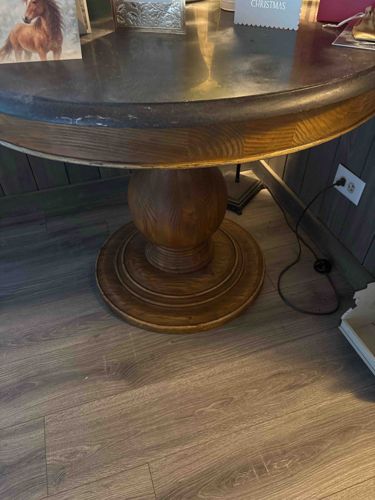
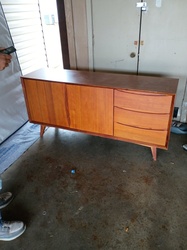
This is a round pedestal dining table, featuring a substantial wooden construction. The tabletop appears to be made of wood with a very dark, possibly stained or lacquered, finish that has a somewhat reflective quality, showing some glare. The edge of the tabletop is visibly distressed, with areas where the dark finish has chipped away or worn off, revealing lighter wood underneath. This wear is particularly noticeable around the perimeter. The apron beneath the tabletop is crafted from a lighter-toned wood, likely oak or a similar hardwood, showcasing a visible grain pattern. The apron has a slightly convex profile and also exhibits some minor scuffs or wear marks, consistent with regular use. The table stands on a robust central pedestal base, which consists of a turned, spherical-like section transitioning down to a wide, tiered circular base. Both the pedestal and its base share the same lighter wood tone and grain as the apron. The base itself is composed of multiple concentric rings, adding a decorative element and ensuring stability. Small scuffs and indentations are visible on the base, particularly near the floor level. The overall style suggests a traditional or rustic aesthetic, possibly dating from the mid-20th century to contemporary production, given the visible wear and construction style. There are no visible manufacturer's marks or signatures in the provided image. The craftsmanship appears to be solid, with turned wood components indicating traditional furniture-making techniques, but the condition indicates a need for some refinishing or restoration of the tabletop surface.
AI Appraisal Report
Upon visual examination of the Round Pedestal Dining Table, I assess its condition as fair to good. The substantial wooden construction suggests durability, with the tabletop exhibiting significant wear, specifically chipped and worn dark finish revealing lighter wood beneath, indicating a need for refinishing. The lighter-toned apron and pedestal base show minor scuffs and indentations consistent with regular use, but no major structural damage appears evident. The craftsmanship, featuring turned wood components, points to traditional furniture-making techniques and solid construction.
From a market perspective, comparable items, particularly mid-century to contemporary round pedestal tables in a traditional or rustic style, typically range from $300 to $700 depending on condition, materials, and origin. The distressed state of the tabletop will impact its immediate resale value. Demand for such pieces remains steady, especially for those seeking a character piece or a project for restoration, though it is not considered rare.
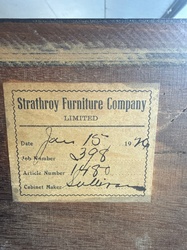
Factors significantly impacting value include the visible wear on the tabletop, which necessitates restoration to achieve its full potential. The lack of manufacturer's marks or signatures limits immediate identification of origin or maker, which can affect perceived value. While the overall aesthetic is appealing, the current condition places it in the mid-to-lower end of similar market offerings.
It is important to note the limitations of authentication based solely on images. Without a physical inspection, I cannot definitively ascertain the type of wood (e.g., solid oak, veneer over particleboard for the top), exact age, or confirm structural integrity beyond visible signs. An in-person examination would allow for tactile inspection of the wood, assessment of joinery, and identification of any hidden defects or repairs. Provenance documentation or scientific testing for wood species or dating would be required for full authentication and a more precise valuation.