AI identification & appraisal estimate

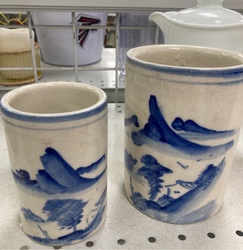
Transferware ceramic plate

Submitted photo of Transferware ceramic plate
Photo submitted by the user — not generated by AI

AI Estimated Value

Not an official valuation

$100-250

AI estimate as of August 12, 2026 · verify with a professional before acting

AI-Generated · Verify before acting

Everything on this page is generated by AI for informational purposes only. AI can make mistakes — the AI may misidentify items or misattribute them (artist, maker, brand, designer, origin, era). This is not an official valuation and should not be used for insurance, sale, tax, estate, legal, or lending purposes — or any decision requiring a certified appraisal. It is not an authoritative claim about any person, brand, or rights holder — do not share or rely on it as a factual statement about a third party. Always consult qualified professionals before making financial decisions.

Read the full disclaimer

AI Item Analysis

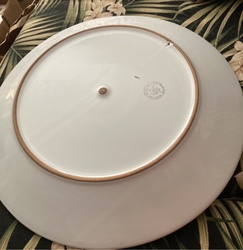
This is a round ceramic transferware plate featuring a detailed brown monochrome design, commonly referred to as sepia or brown transfer printing. The central well of the plate depicts a marshland or riverbank scene featuring a large wading bird, likely a heron or stork, standing among tall reeds and cattails, alongside water lilies and smaller birds in flight and swimming. The wide rim is decorated with a continuous border pattern incorporating floral motifs, reeds, and aquatic life such as fish and dragonflies. The ceramic body has an off-white or cream-colored glazed ground with visible craquelure, discoloration, age-related staining, and surface wear, consistent with antique or vintage domestic earthenware. There is no maker's mark visible on the front of the piece, and the attribution relies entirely on stylistic observation of nineteenth-century English or European transferware aesthetics. The identification is based on the pictorial transfer-printed technique and naturalistic motifs typical of the Victorian era, though the exact maker, pattern name, and date of manufacture remain unverified without an inspection of the underside stamps.
AI Appraisal Report

Based on what I can see in the photograph, this round ceramic transferware plate features a detailed brown monochrome design with a central marshland scene and an aquatic-themed rim. I can't verify from a photo whether the piece is a nineteenth-century English product or a later revival, as the lack of visible maker's marks on the front leaves the attribution as a working hypothesis. I would need physical inspection to confirm the ceramic body, glaze characteristics, and any stamps on the underside. The estimated value range of $100 to $250 assumes the attribution to nineteenth-century transferware is correct, though this figure is heavily dependent on condition. The visible craquelure, discoloration, age-related staining, and surface wear negatively impact the valuation. General market demand for antique transferware is moderate, with collectors typically favoring pieces in better preservation states. To strengthen attribution and confirm authenticity, an in-person examination by a ceramics specialist, combined with verification of any potential backstamps, would be necessary. If physical inspection were to reveal that the plate is a later reproduction, replica, or made strictly 'in the style of' rather than a period piece, the market value would likely drop significantly to the $20 to $50 range, reflecting its status purely as decorative domestic ware.

Keep exploring

More ceramics appraisals

Get your items appraised

Instant AI-powered appraisal estimates from a photo

Browse More Appraisals