AI identification & appraisal estimate

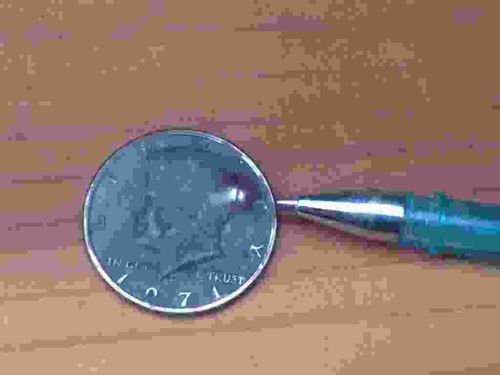
197x Kennedy Half Dollar with Fire-Induced Post-Mint Delamination

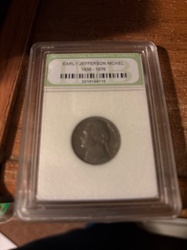
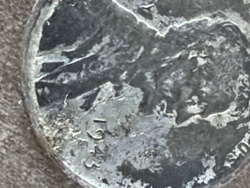
Submitted photo of 197x Kennedy Half Dollar with Fire-Induced Post-Mint Delamination
Photo submitted by the user — not generated by AI

User's notes

very unique location for a delam that was created after a fire the coin was in. it spots to the location that Kennedy was shot. very intriguing and could be very collectable to somone

These notes were written by the person who submitted this item. Appraiser.AI has not verified them, and the AI's identification and estimate may rely on them.

AI Estimated Value

Not an official valuation

$5.00 - $15.00

AI estimate as of March 7, 2026 · verify with a professional before acting

AI-Generated · Verify before acting

Everything on this page is generated by AI for informational purposes only. AI can make mistakes — the AI may misidentify items or misattribute them (artist, maker, brand, designer, origin, era). This is not an official valuation and should not be used for insurance, sale, tax, estate, legal, or lending purposes — or any decision requiring a certified appraisal. It is not an authoritative claim about any person, brand, or rights holder — do not share or rely on it as a factual statement about a third party. Always consult qualified professionals before making financial decisions.

This analysis also relies on unverified notes provided by the user, which may be incomplete or inaccurate and could affect the result.

Read the full disclaimer

AI Item Analysis

This is a United States Kennedy Half Dollar, likely dated from the 1970s (the '197' and partial 'x' are visible). The coin is composed of a copper-nickel clad over a copper core. It exhibits significant post-mint damage characterized by extreme heat exposure, which has resulted in a unique delamination of the outer clad layer. The physical condition shows a heavy, dark grayish-black patina across the surface, consistent with fire damage. A prominent raised bubbling or flaking of the metal occurs on the obverse, specifically located on the back of John F. Kennedy's head. The user notes this specific location corresponds to the site of the fatal wound during the assassination, adding a macabre historical coincidence to the piece. The overall surface lacks original mint luster and shows signs of environmental corrosion and thermal stress. The metal at the site of the delamination appears fragile and uneven. The craftsmanship is that of the US Mint, but the current state is defined by the accidental environmental alteration rather than a mint error. Such pieces are often classified as 'oddities' or 'post-mint damage' (PMD), though their unique visual narrative can attract niche collectors interested in historical curiosities or disaster-altered currency.
AI Appraisal Report

I have carefully examined the provided images of this 197x Kennedy Half Dollar. The coin displays evidence of extreme thermal distress, resulting in localized delamination of the cupro-nickel cladding from the copper core. The dark, charcoal-like patina and the irregular bubbling are classic markers of post-mint damage (PMD) caused by high-intensity fire exposure rather than a minting error. While the location of the delamination on the posterior of the cranium is a striking coincidence given the historical context of President Kennedy’s assassination, it remains a result of accidental environmental factors. From a strictly numismatic standpoint, fire-damaged coins are typically valued at their intrinsic metal content or face value, as most collectors prioritize 'Mint State' or genuine mint errors (such as 'lamination errors' occurring during the rolling of the planchet). However, this piece falls into the 'curiosity' or 'folk art' niche of the market. The 'macabre' association mentioned—while coincidental—provides a narrative appeal that could attract a novelty collector. Comparables for 'disaster-altered' coins outside of major shipwrecks generally fluctuate between $5 and $20 depending on the intensity of the visual story. A significant limitation of this appraisal is the inability to verify the coin's structural integrity or the chemical nature of the patina via image alone. An in-person examination would be required to ensure the 'bubble' isn't actively corroding or brittle enough to flake off entirely, which would destroy the visual effect. To achieve full authentication as a 'fire coin' rather than a chemically induced manipulation, one would need provenance documentation regarding its recovery from a specific site. Without such history, it remains a low-value, high-interest ocular curiosity.

Keep exploring

More numismatics / error & altered coins appraisals

Get your items appraised

Instant AI-powered appraisal estimates from a photo

Browse More Appraisals