AI Appraisal Estimate

AI-generated estimates · not official valuations

From the user

What was submitted

Photo and notes provided by the user — not generated by AI

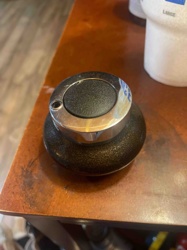
Submitted item photo
Submitted photo · June 26, 2026

User's notes

No additional notes provided.

AI analysis below

AI appraisal

AI analysis & estimate

AI-Generated · Verify before acting

Everything below is generated by AI for informational purposes only. AI can make mistakes — the AI may misidentify items or misattribute them (artist, maker, brand, designer, origin, era). This is not an official valuation and should not be used for insurance, sale, tax, estate, legal, or lending purposes — or any decision requiring a certified appraisal. It is not an authoritative claim about any person, brand, or rights holder — do not share or rely on it as a factual statement about a third party. Always consult qualified professionals before making financial decisions.

Read the full disclaimer

AI Identification

·Not independently authenticated·Verify before acting

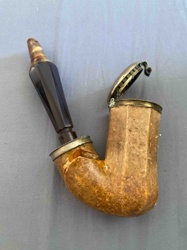
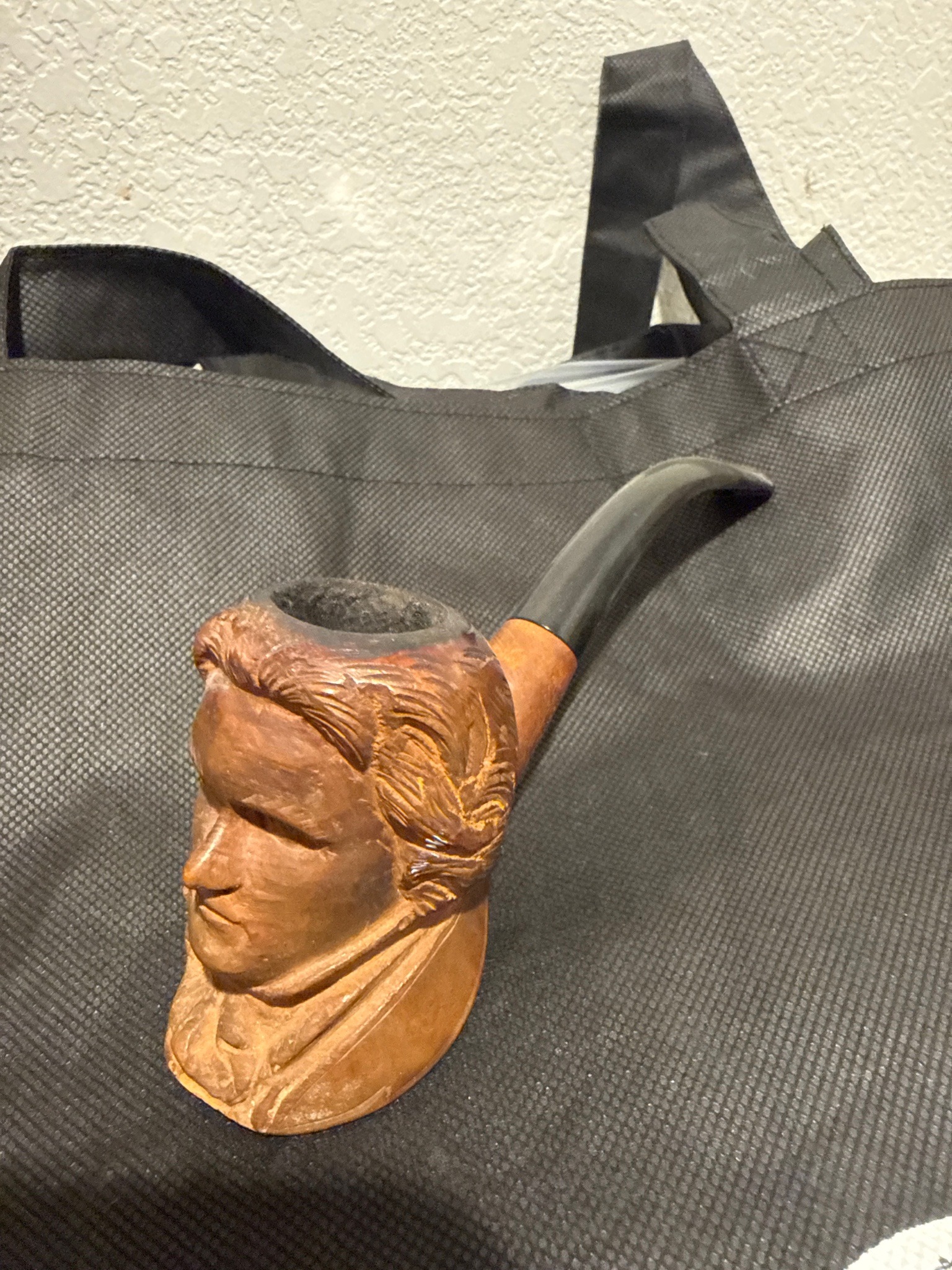
Carved Figural Meerschaum or Briar Smoking Pipe Depicting Ludwig van Beethoven

Tobacciana / Smoking Accessories

AI Estimated Value

·Not an official valuation·Verify before acting

$250 - $450

As of June 26, 2026

AI Item Analysis

·AI can make mistakes·Verify before acting
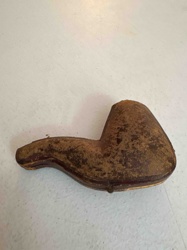
This is a hand-carved tobacco smoking pipe featuring a figural bowl sculpted in the likeness of the composer Ludwig van Beethoven. The piece exhibits characteristic mid-to-late 19th-century or early 20th-century European craftsmanship. The bowl is meticulously carved with wavy, swept-back hair and the stern, focused facial expression associated with historical portraits of the composer. It is likely crafted from either high-quality briar wood or possibly block meerschaum that has acquired a deep, warm honey-brown patina through age and use. The top of the bowl shows charring and carbon buildup, indicating it has been frequently smoked. The item consists of two main parts: the carved bowl/shank assembly and a curved black vulcanite or lucite stem, which appears to be a tapered 'saddle' bit. Dimensions appear to be approximately 5 to 6 inches in total length. The carving shows significant skill in anatomical proportion and texture, particularly in the rendering of the hair. Visible condition includes minor surface scratches, a heavy 'cake' inside the bowl, and slight oxidation on the stem. No clear maker's marks are visible in the photograph, though such items were often produced in specialized workshops in Turkey (for meerschaum) or France/Austria (for briar).
AI Appraisal Report

·AI can make mistakes·Verify before acting
Based on my visual examination of this figural tobacco pipe, I find it to be a finely executed example of late 19th or early 20th-century craftsmanship. The subject, Ludwig van Beethoven, is rendered with impressive anatomical precision, capturing his iconic scowl and voluminous hair. The material appears to be high-grade block meerschaum rather than briar, evidenced by the characteristic honey-toned patina that develops as tobacco oils seep through the porous hydrous magnesium silicate. The vulcanite stem shows typical oxidation consistent with age. While the heavy carbon 'cake' inside the bowl indicates frequent use, it also suggests the pipe was a favored smoker, which can appeal to collectors of vintage tobacciana. Market demand for figural meerschaums remains steady, particularly for recognizable historical and cultural icons. Comparables for musical figures in moderate condition typically realize between $200 and $500 at specialty auctions. The value is slightly tempered by the lack of an original fitted morocco leather case and visible surface abrasions. Limitations: This appraisal is based solely on photographic evidence. A physical inspection is required to confirm the material is indeed block meerschaum and not 'pressed' meerschaum (dust and binders), which would significantly lower the value. Furthermore, I would need to examine the shank for any hairline heat cracks or internal repairs hidden by the patina. A definitive attribution to a specific workshop, such as those in Vienna or Ruhla, would require identifying a faint maker's mark or matching the specific carving style to known master catalogs from the era.

Get your items appraised

Instant estimates of your treasures with AI-powered appraisals

Browse More Appraisals