AI Appraisal Estimate

AI-generated estimates · not official valuations

From the user

What was submitted

Photo and notes provided by the user — not generated by AI

Submitted item photo
Submitted photo · June 6, 2026

User's notes

Serving dish

AI analysis below

AI appraisal

AI analysis & estimate

AI-Generated · Verify before acting

Everything below is generated by AI for informational purposes only. AI can make mistakes — the AI may misidentify items or misattribute them (artist, maker, brand, designer, origin, era). This is not an official valuation and should not be used for insurance, sale, tax, estate, legal, or lending purposes — or any decision requiring a certified appraisal. It is not an authoritative claim about any person, brand, or rights holder — do not share or rely on it as a factual statement about a third party. Always consult qualified professionals before making financial decisions.

Note

This analysis also relies on unverified notes provided by the user, which may be incomplete or inaccurate and could affect the result.

Read the full disclaimer

AI Identification

·Not independently authenticated·Verify before acting

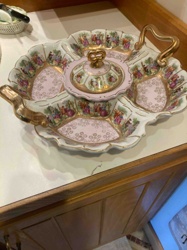
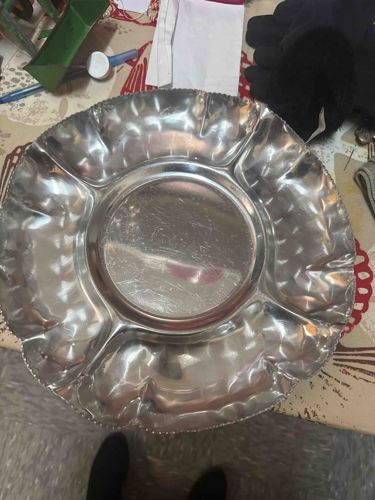
Hammered Aluminum Divided Serving Dish

Serving dish

AI Estimated Value

·Not an official valuation·Verify before acting

$20-35

As of June 6, 2026

AI Item Analysis

·AI can make mistakes·Verify before acting
This item is a circular, five-sectioned serving dish crafted from hammered aluminum, characteristic of the mid-20th century. The dish features a bright, silvery metallic color with a polished-to-satin sheen, though some areas exhibit minor dullness consistent with age and use. Its most prominent design element is the textured, hammered finish that covers the entire outer four sections, creating a ripple or dimpled effect that reflects light in various directions. The center section is smooth and slightly recessed compared to the surrounding dividers. There are four distinct compartments radiating from the central, circular section, making it ideal for serving various appetizers, snacks, or condiments. The rim of the dish is scalloped or fluted, with a small, raised beaded or textured edge, adding to its decorative appeal. The overall construction appears sturdy, and the material (aluminum) suggests it is lightweight yet durable. There are no readily visible maker's marks or signatures in the provided image. The surface shows some signs of wear, including minor scratches and scuffs, particularly in the smooth central area and on the raised dividers, which is typical for a utilitarian serving piece of this age. Some areas may also show minor oxidation or smudges. The style points to an estimated age within the Art Deco or Mid-Century Modern period, likely from the 1930s to 1960s, a popular time for hammered aluminum ware. The craftsmanship, while mass-produced, shows attention to detail in the formation of the sections and the decorative rim.
AI Appraisal Report

·AI can make mistakes·Verify before acting
Upon examining the images of this hammered aluminum divided serving dish, I assess it to be a representative example of American-made decorative kitchenware from the mid-20th century, likely dating from the 1940s to 1960s. The piece presents in fair to good vintage condition. The hammered texture is consistent with manufacturing techniques of the era, and the fluted rim adds to its decorative appeal. Signs of wear, including minor scratches, scuffs in the central compartment, and slight dullness, are present but are consistent with its age and utilitarian function; they do not significantly detract from its value but rather affirm its history of use. These items were mass-produced by companies such as Buenilum, Cromwell, Everlast, and Wendell August Forge. Without a visible maker's mark, it is difficult to attribute it to a specific, more collectible manufacturer, which is the primary factor limiting its value. The current market for unmarked hammered aluminum is driven by decorators and collectors seeking nostalgic or Art Deco/Mid-Century style. Demand is modest but steady. Comparable unmarked, multi-sectioned serving trays of similar size and condition regularly sell in online marketplaces and at antique malls in the $20-$35 range. Pieces with desirable floral or figural motifs, or those with confirmed marks from high-end makers, can command higher prices. A definitive valuation and authentication would require an in-person examination to search for faint or hidden maker's marks under magnification, which could substantially alter the value. Without this, I am appraising it as a handsome, but unattributed, decorative piece.

Get your items appraised

Instant estimates of your treasures with AI-powered appraisals

Browse More Appraisals