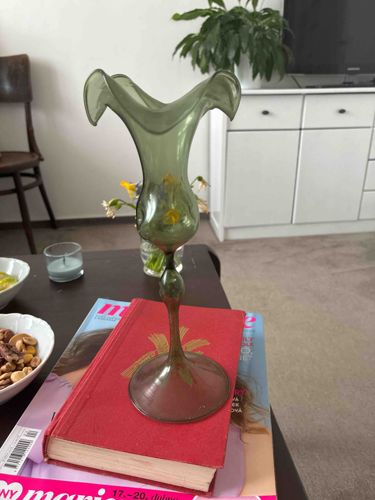
Mid-Century Olive Green Jack-in-the-Pulpit Glass Bloom Vase
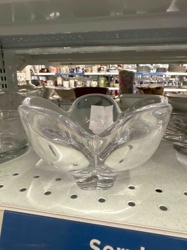
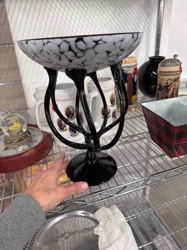
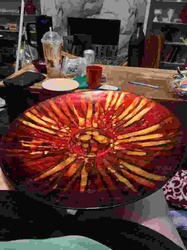
This is a hand-blown art glass vase featuring a classic 'Jack-in-the-Pulpit' form, characterized by its wide, flared, and drooping rim that mimics the spathe of a flower. The piece is crafted in a translucent olive green or moss-toned glass, showcasing a slender, elegant stem that rises from a wide, circular domed base into a bulbous lower body before tapering and flaring out at the top. The construction features a delicate glass knop or swelling along the stem, indicating manual manipulation and skilled craftsmanship during the blowing process. In terms of condition, the glass appears structurally sound with no visible chips or significant fractures, though light surface scratches and dust are present, typical of age and display. The base shows a smooth, fire-polished finish. The style is highly reminiscent of mid-20th-century Scandinavian or Italian (Murano-influenced) glassware, likely dating from the 1950s to the 1970s. The organic, fluid lines and lack of harsh mould seams suggest a free-blown or hand-tooled technique, emphasizing its quality as a decorative art piece rather than mass-produced utility ware.
AI-Generated Appraisal Disclaimer
Estimated Value
$125.00 - $185.00
Basic Information
Category
Art Glass / Decorative Collectibles
Appraised On
April 1, 2026
Estimated Value
$125.00 - $185.00
Additional Details Provided By Owner
User Provided Information
old glass vase
Item Description
This is a hand-blown art glass vase featuring a classic 'Jack-in-the-Pulpit' form, characterized by its wide, flared, and drooping rim that mimics the spathe of a flower. The piece is crafted in a translucent olive green or moss-toned glass, showcasing a slender, elegant stem that rises from a wide, circular domed base into a bulbous lower body before tapering and flaring out at the top. The construction features a delicate glass knop or swelling along the stem, indicating manual manipulation and skilled craftsmanship during the blowing process. In terms of condition, the glass appears structurally sound with no visible chips or significant fractures, though light surface scratches and dust are present, typical of age and display. The base shows a smooth, fire-polished finish. The style is highly reminiscent of mid-20th-century Scandinavian or Italian (Murano-influenced) glassware, likely dating from the 1950s to the 1970s. The organic, fluid lines and lack of harsh mould seams suggest a free-blown or hand-tooled technique, emphasizing its quality as a decorative art piece rather than mass-produced utility ware.
Related Tags
Get Your Items Appraised
Instant estimates of your treasures with AI-powered instant appraisals