AI Appraisal Estimate

AI-generated estimates · not official valuations

From the user

What was submitted

Photo and notes provided by the user — not generated by AI

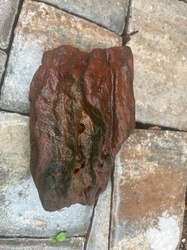
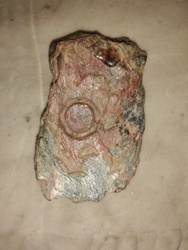
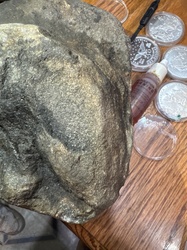
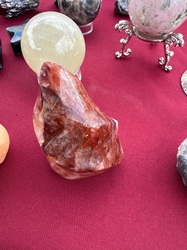
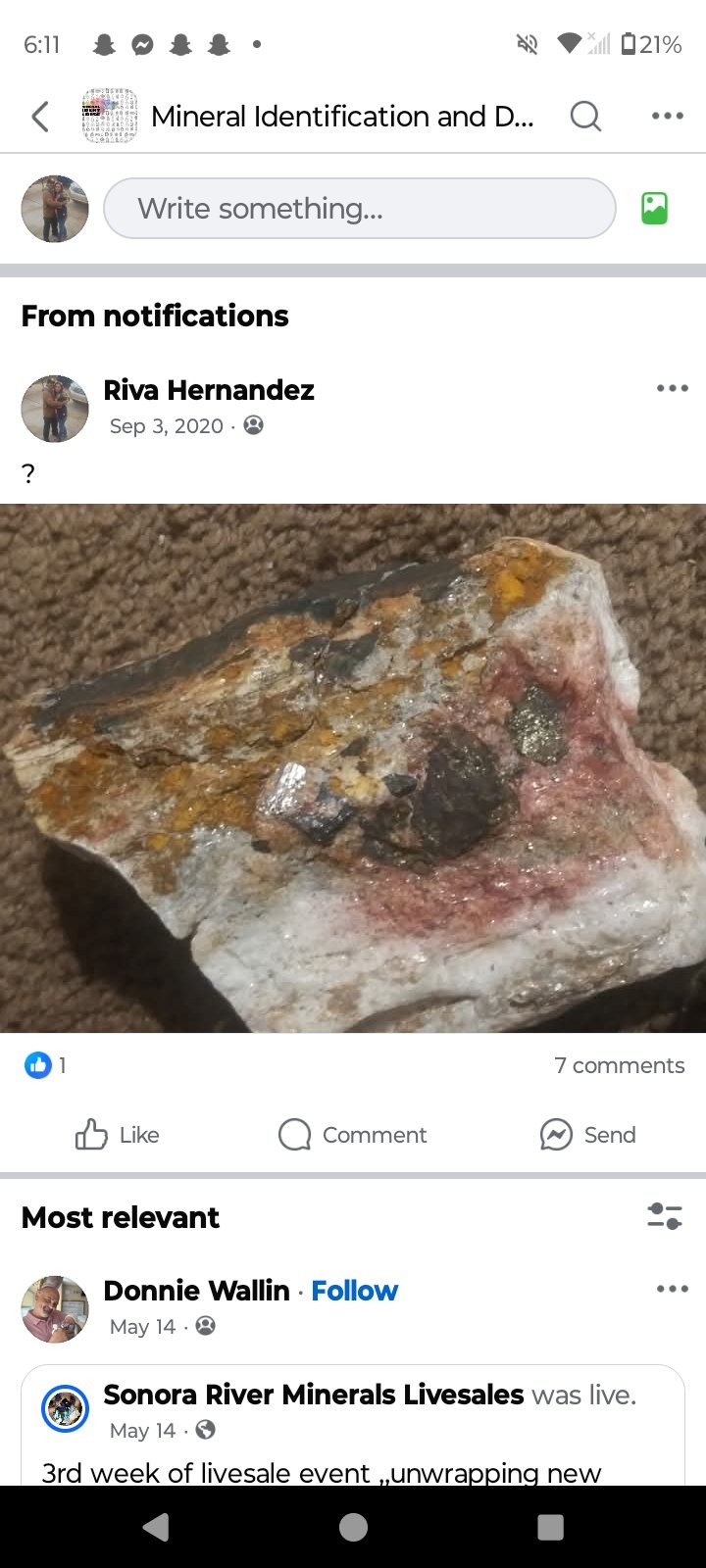
Submitted item photo
Submitted photo · June 1, 2026

User's notes

Category: Other Material: quartz Weight: 2 lbs. Condition: raw Gold Ore and Quartz with inclusions

AI analysis below

AI appraisal

AI analysis & estimate

AI-Generated · Verify before acting

Everything below is generated by AI for informational purposes only. AI can make mistakes — the AI may misidentify items or misattribute them (artist, maker, brand, designer, origin, era). This is not an official valuation and should not be used for insurance, sale, tax, estate, legal, or lending purposes — or any decision requiring a certified appraisal. It is not an authoritative claim about any person, brand, or rights holder — do not share or rely on it as a factual statement about a third party. Always consult qualified professionals before making financial decisions.

Note

This analysis also relies on unverified notes provided by the user, which may be incomplete or inaccurate and could affect the result.

Read the full disclaimer

AI Identification

·Not independently authenticated·Verify before acting

Mineral specimen consistent with gold-bearing quartz ore

Mineral Specimens

AI Estimated Value

·Not an official valuation·Verify before acting

$40 - $1,200

As of June 1, 2026

AI Item Analysis

·AI can make mistakes·Verify before acting
This item is a raw mineral specimen featuring a large, opaque to translucent white matrix that is visually consistent with quartz. The specimen displays several prominent colored inclusions and mineralizations. A distinct band of dark, metallic-gray material is visible, along with patches of yellowish-orange oxidation commonly associated with iron-rich minerals. There are also areas showing a brownish-red hue, which may indicate the presence of hematite or other ferruginous staining. Small, reflective metallic flecks appear embedded within the matrix; while these are stylistically consistent with pyrite ('fool's gold') or chalcopyrite, the user-supplied note identifies the piece as 'Gold Ore'. This identification remains unverified without professional chemical assay or streak testing. The specimen possesses a jagged, irregular fracture pattern typical of raw quartz, with some surfaces appearing worn or slightly weathered. No artificial markings, stamps, or labels are visible on the stone itself. Physical characteristics such as the 2 lb. weight and quartz composition provided by the owner are noted but cannot be independently verified through the photograph. Factors such as specific gravity and the chemical composition of the metallic inclusions would require in-person expert analysis to determine if precious metals are present.

AI Appraisal Report

·AI can make mistakes·Verify before acting
Based on my visual examination of the photograph, this specimen appears consistent with gold-bearing quartz ore. Per user submission, the item is identified as 'Gold Ore' weighing 2 lbs. I can see a white quartz matrix with metallic-gray inclusions and iron-rich oxidation; however, I cannot verify from a photo whether the reflective flecks are actual gold or common sulfides like pyrite or chalcopyrite. This distinction is critical for valuation. The current estimate is presented as a wide range to account for this uncertainty. If the metallic inclusions are confirmed through a professional chemical assay or specific gravity test to be native gold, the specimen's value would sit at the higher end of the $800-$1,200 range, or potentially higher depending on the total gold content. However, if the mineralizations are determined to be common iron or copper sulfides (pyrite/chalcopyrite), the item would be valued primarily as a decorative mineral specimen, likely in the $40-$100 range. The market for geological specimens is currently stable, with 'rich' ore samples commanding significant premiums among mineral collectors. To provide a more precise valuation, an in-person examination by a mineralogist and a destructive assay or non-destructive XRF (X-ray fluorescence) test would be required to determine the actual precious metal content. Without such testing, the attribution of this piece as 'Gold Ore' remains a hypothesis based on the owner's claims and visual characteristics that resemble such ore types. The lower end of my estimate reflects the value of the piece as an unattributed decorative stone, while the higher end assumes the owner's identification of gold content is correct.

Related Tags

Explore similar items and categories

Get your items appraised

Instant estimates of your treasures with AI-powered appraisals

Browse More Appraisals