AI Appraisal Estimate

AI-generated estimates · not official valuations

From the user

What was submitted

Photo and notes provided by the user — not generated by AI

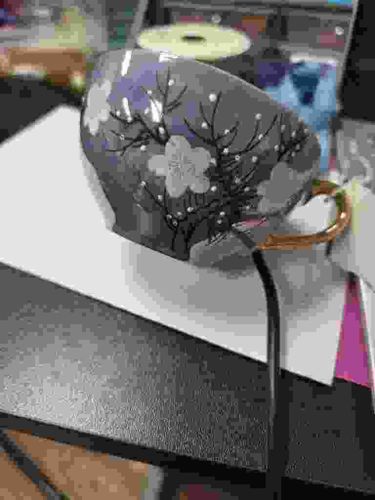
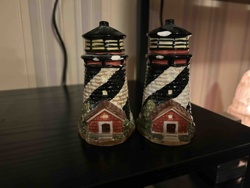
Submitted item photo
Submitted photo · June 12, 2026

User's notes

No additional notes provided.

AI analysis below

AI appraisal

AI analysis & estimate

AI-Generated · Verify before acting

Everything below is generated by AI for informational purposes only. AI can make mistakes — the AI may misidentify items or misattribute them (artist, maker, brand, designer, origin, era). This is not an official valuation and should not be used for insurance, sale, tax, estate, legal, or lending purposes — or any decision requiring a certified appraisal. It is not an authoritative claim about any person, brand, or rights holder — do not share or rely on it as a factual statement about a third party. Always consult qualified professionals before making financial decisions.

Read the full disclaimer

AI Identification

·Not independently authenticated·Verify before acting

Hand-Painted Ceramic Teacup with Floral Motif

Collectibles / Kitchenware

AI Estimated Value

·Not an official valuation·Verify before acting

$45.00 - $75.00

As of June 12, 2026

AI Item Analysis

·AI can make mistakes·Verify before acting
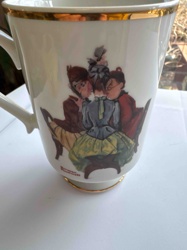
This item is a decorative teacup crafted from ceramic or fine porcelain, characterized by a rounded, bowl-like body and an integrated curved handle. The exterior features a matte grey or charcoal-toned glaze that serves as a canvas for a hand-painted botanical design. The motif depicts flowering branches, likely cherry blossoms (Sakura) or plum blossoms, rendered with black linework for the stems and small white or light-grey petals. Tiny white raised dots or 'moriage' accents represent flower buds, adding a subtle three-dimensional texture to the piece. The interior of the cup appears to be a contrasting lighter color, possibly white or cream. The handle is finished in a metallic gold-tone gilding, which exhibits some minor surface wear and patina consistent with handling and age. The overall craftsmanship suggests a mid-20th-century Asian influence, possibly Japanese in origin, given the stylistic choice of the floral pattern. While no maker's mark is visible from this angle, the precision of the hand-painted elements indicates a piece of moderate quality. There are no major cracks or chips visible, though the surface shows light dust and typical shelf wear.
AI Appraisal Report

·AI can make mistakes·Verify before acting
I have examined the digital representation of this hand-painted ceramic teacup. The piece exhibits characteristics consistent with mid-20th-century Japanese 'Satsuma-style' export ware, specifically featuring a matte finish and raised slip (moriage) detailing on the cherry blossom buds. The gilded handle shows modest wear, which is typical for its age, and the overall condition appears good with no visible chips or fractures. The absence of a visible maker's mark suggests it may have been produced for the souvenir or general export market rather than by a renowned studio. The market for mid-century Japanese ceramics remains stable, though value is heavily dictated by the presence of a signature (such as Noritake or a specific kiln mark). This particular design is aesthetically pleasing but common. Comparable pieces of unmarked Japanese export ware from the same period generally sell within the $30 to $80 range at specialty antique auctions or online marketplaces. Factors impacting value include the attractive contrast between the charcoal body and gold handle, which appeals to modern 'mid-century' collectors. However, the lack of provenance and brand identification keeps this in the装饰 (decorative) category rather than a high-investment collectible. Limitations: My assessment is based solely on visual inspection of the provided image. A definitive valuation and authentication would require in-person examination to assess the weight, the 'ring' of the ceramic when tapped, and a view of the base (underside) to check for stamps or backstamps. Scientific testing or provenance documentation would be necessary to confirm the exact composition (porcelain vs. earthenware) and its specific geographical origin.

Get your items appraised

Instant estimates of your treasures with AI-powered appraisals

Browse More Appraisals