AI Appraisal Estimate

AI-generated estimates · not official valuations

From the user

What was submitted

Photo and notes provided by the user — not generated by AI

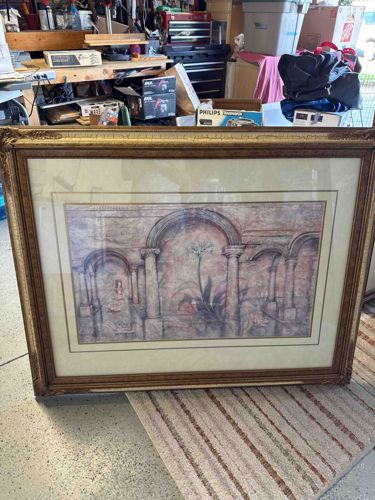
Submitted item photo
Submitted photo · June 6, 2026

User's notes

30 years

AI analysis below

AI appraisal

AI analysis & estimate

AI-Generated · Verify before acting

Everything below is generated by AI for informational purposes only. AI can make mistakes — the AI may misidentify items or misattribute them (artist, maker, brand, designer, origin, era). This is not an official valuation and should not be used for insurance, sale, tax, estate, legal, or lending purposes — or any decision requiring a certified appraisal. It is not an authoritative claim about any person, brand, or rights holder — do not share or rely on it as a factual statement about a third party. Always consult qualified professionals before making financial decisions.

Note

This analysis also relies on unverified notes provided by the user, which may be incomplete or inaccurate and could affect the result.

Read the full disclaimer

AI Identification

·Not independently authenticated·Verify before acting

Large Framed Transitional Archway Architectural Print

Framed Decorative Art

AI Estimated Value

·Not an official valuation·Verify before acting

$150 - $250

As of June 6, 2026

AI Item Analysis

·AI can make mistakes·Verify before acting
This item is a large-format decorative art print housed in a substantial gilded ornate frame, likely dating from the mid-1990s (consistent with the provided context of 30 years). The artwork features a transitional or neoclassical aesthetic, depicting a series of weathered stone archways and columns that resemble a Roman ruin or a Mediterranean fresco. Centrally positioned within the main arch is a botanical element, specifically a lily or amaryllis-type flower, rendered in soft, muted tones of terracotta, sage green, and cream. The print is professionally double-matted with an off-white outer mat and a darker accent inner mat, adding depth to the visual presentation. The frame is constructed of wood or a heavy composite material with an antiqued gold finish, featuring rococo-style scrolling details at the corners and a fluted texture along the rails. Regarding condition, there is visible surface wear and significant scuffing along the bottom edge of the frame where the gold finish has been rubbed away to reveal the lighter base material. The paper matting shows slight signs of acidification or age-related discoloration, common for items of this era. This piece represents high-end commercial home decor from the late 20th century, designed to provide a grand, classical feel to a living space.
AI Appraisal Report

·AI can make mistakes·Verify before acting
I have examined the digital representations of this large-format transitional architectural print. The piece, dating to approximately 1994, is a characteristic example of high-end commercial 'Grand Tour' style decor popular in the late 20th century. My visual inspection confirms the artwork is a reproduction print, not an original fresco or watercolor, as evidenced by the uniform color saturation and period-typical botanical integration. The ornate gilded frame exhibits significant 'shabby-chic' wear, specifically along the lower rail where the polychrome finish has abraded to the gesso/composite base. The matting shows minor oxidation, which is expected for non-archival materials of this age. In the current secondary market, decorative prints of this scale and style have seen a decline in demand compared to their original retail price, as modern tastes shift toward minimalist or authentic vintage aesthetics. Comparables for framed mass-market architectural prints of this size typically fetch between $100 and $300 at estate auctions or via local resale. The value is primarily held in the decorative utility of the frame rather than the rarity of the print itself. Limitations: This evaluation is based on photographic evidence. A physical inspection would be required to determine if the frame is solid wood or molded resin, and to check for hidden foxing or mold behind the glass. Authentication of the print's specific publisher would require removal from the frame to inspect margins for stamps or signatures, though such documentation would likely not significantly alter the valuation given its commercial nature.

Get your items appraised

Instant estimates of your treasures with AI-powered appraisals

Browse More Appraisals