AI Appraisal Estimate

AI-generated estimates · not official valuations

From the user

What was submitted

Photo and notes provided by the user — not generated by AI

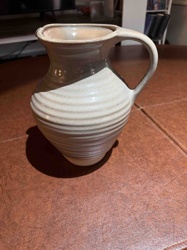
Submitted item photo
Submitted photo · June 3, 2026

User's notes

No additional notes provided.

AI analysis below

AI appraisal

AI analysis & estimate

AI-Generated · Verify before acting

Everything below is generated by AI for informational purposes only. AI can make mistakes — the AI may misidentify items or misattribute them (artist, maker, brand, designer, origin, era). This is not an official valuation and should not be used for insurance, sale, tax, estate, legal, or lending purposes — or any decision requiring a certified appraisal. It is not an authoritative claim about any person, brand, or rights holder — do not share or rely on it as a factual statement about a third party. Always consult qualified professionals before making financial decisions.

Read the full disclaimer

AI Identification

·Not independently authenticated·Verify before acting

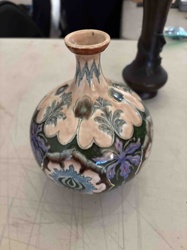
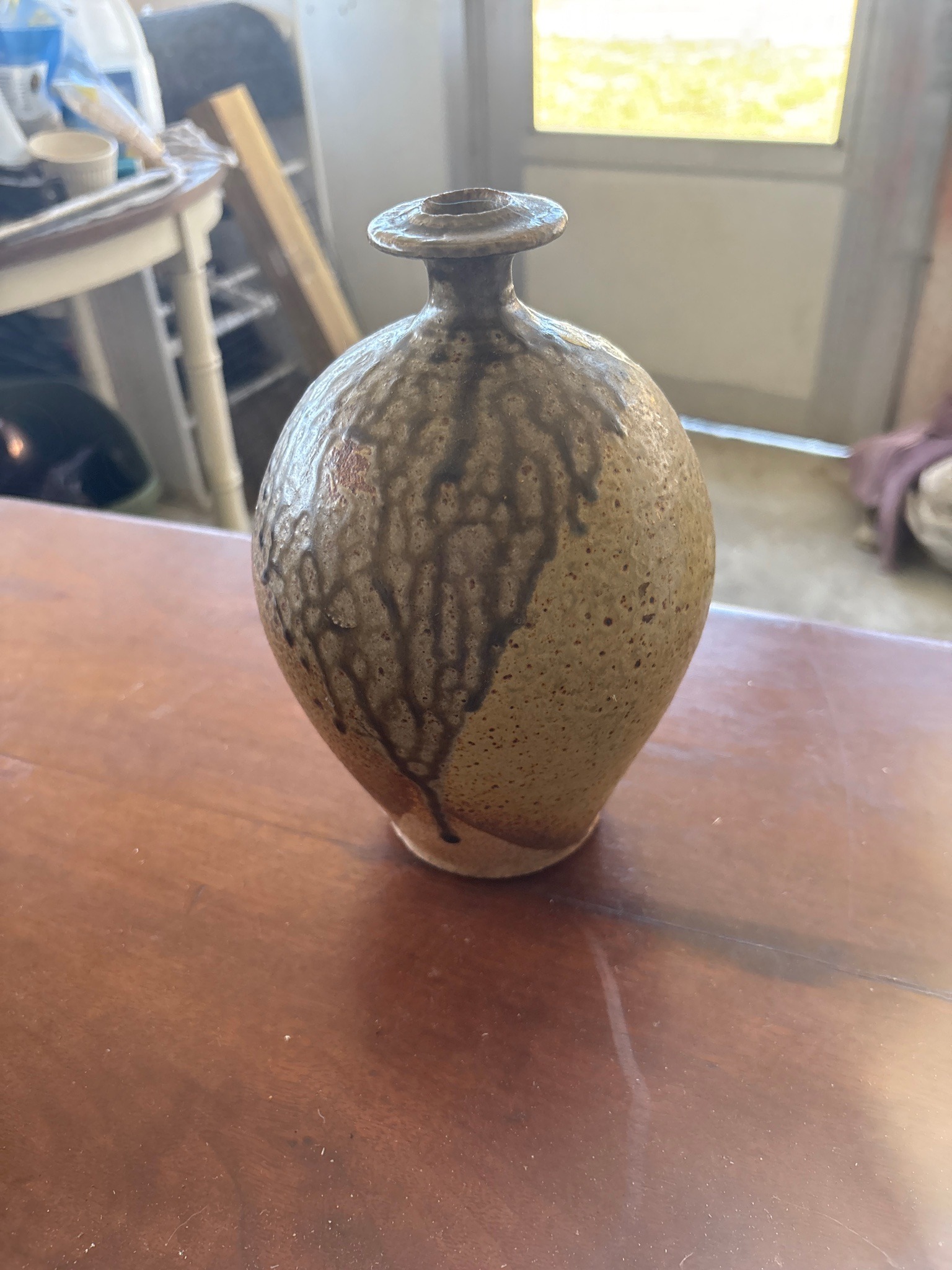
Studio Pottery Ovoid Bud Vase with Ash Glaze

Art Pottery / Collectible Ceramics

AI Estimated Value

·Not an official valuation·Verify before acting

$175 - $325

As of June 3, 2026

AI Item Analysis

·AI can make mistakes·Verify before acting
This is a wheel-thrown studio pottery bud vase featuring an ovoid or pear-shaped body that tapers to a narrow, waisted neck and a small, flattened disc rim. The piece is crafted from a gritty, high-fired stoneware clay, evident from the iron spotting (speckling) throughout the surface. The aesthetic is characteristic of the 20th-century Mid-Century Modern or Contemporary Craft movement, heavily influenced by Japanese Mingei (folk art) traditions. The exterior showcases a tactile, textured matte finish in a neutral oatmeal or tan hue, over which a dark sienna or charcoal-colored ash glaze has been applied. This glaze features intentional vertical drip patterns and a 'shino' like crawl in certain areas, creating a dynamic, organic appearance. There is a visible blush of reddish-brown wood-ash or iron-wash on one side of the lower body, likely a result of the firing process. The construction shows high-quality craftsmanship with balanced proportions. The condition appears excellent with no visible chips, cracks, or repairs; the rough texture and variations in glaze are inherent to the artist's original design. While no maker's mark is visible on the body, the style suggests a professional individual studio potter active between 1960 and 1990.
AI Appraisal Report

·AI can make mistakes·Verify before acting
I have conducted a visual analysis of this studio pottery ovoid bud vase. The piece exhibits excellent technical command, featuring a well-proportioned wheel-thrown body and a sophisticated application of atmospheric ash glaze. The iron spotting and 'crawl' in the glaze indicate a high-fire reduction environment, consistent with professional studio practices of the late 20th century. The condition appears to be excellent; the textural irregularities and glaze variations are intentional aesthetic choices synonymous with the Mingei-inspired tradition and do not represent damage. The current market for 'anonymous' studio pottery—pieces lacking a definitive potter's stamp—remains stable but modest compared to 'signed' works by listed masters like Shoji Hamada or Bernard Leach. Comparables for high-quality, mid-sized stoneware bud vases of this period typically fall within the $150 to $350 range in a gallery or specialized auction setting. The value is bolstered by the contemporary appeal of the neutral palette and organic form, which fits current interior design trends. Final valuation is limited by the absence of a visible maker's mark. Without a signature or seal, I cannot attribute this to a specific artist, which significantly caps the investment potential. To provide a definitive authentication and potentially increase this valuation, an in-person examination is required to inspect the foot-ring for depressed stamps or incised marks often obscured by glaze. Furthermore, documentation regarding the vase's provenance (original gallery receipts or collection history) would be necessary to link the work to a specific kiln or documented regional movement. Scientific testing of the clay body composition could further narrow the geographic origin but is generally cost-prohibitive for items in this value bracket.

Get your items appraised

Instant estimates of your treasures with AI-powered appraisals

Browse More Appraisals