These notes were written by the person who submitted this item. Appraiser.AI has not verified them, and the AI's identification and estimate may rely on them.
AI Estimated Value
Not an official valuation
$120-180
AI estimate as of August 29, 2025 · verify with a professional before acting
AI-Generated · Verify before acting
Everything on this page is generated by AI for informational purposes only. AI can make mistakes — the AI may misidentify items or misattribute them (artist, maker, brand, designer, origin, era). This is not an official valuation and should not be used for insurance, sale, tax, estate, legal, or lending purposes — or any decision requiring a certified appraisal. It is not an authoritative claim about any person, brand, or rights holder — do not share or rely on it as a factual statement about a third party. Always consult qualified professionals before making financial decisions.
This analysis also relies on unverified notes provided by the user, which may be incomplete or inaccurate and could affect the result.
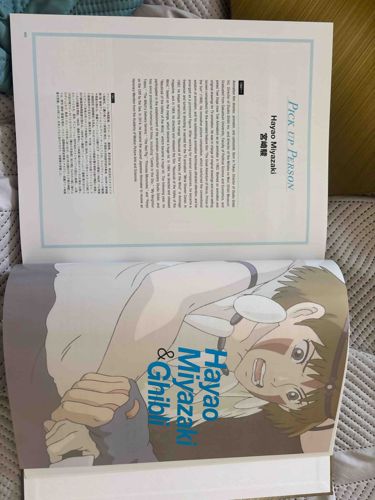
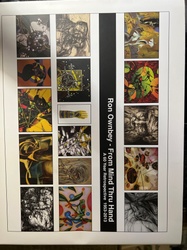
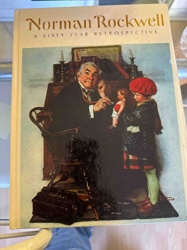
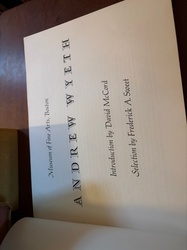
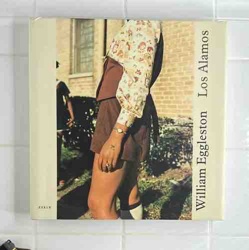
This item is an open book or exhibition catalog, likely featuring content related to Hayao Miyazaki and Studio Ghibli. The visible pages suggest a publication of significant size, perhaps a quarto or folio, given the large-format illustrations and text blocks. The physical characteristics include white, smooth, high-quality paper, indicating a premium printing. The top page displays a 'PICK UP PERSON' section with biographical text about Hayao Miyazaki, presented in both English and what appears to be Japanese script, bordered by a light blue frame. This bilingual presentation suggests an international release or inclusion for a global audience. The bottom page features a large, vivid illustration showcasing a character from one of Studio Ghibli's animated films, specifically resembling San from Princess Mononoke, rendered in the distinctive Studio Ghibli animation style. The character is depicted with a snarling expression, showing intricate details in the eyes, mouth, and facial markings, characteristic of Miyazaki's detailed work. The text 'Hayao Miyazaki & Ghibli' is prominently displayed over the illustration, indicating the book's central theme. The colors are vibrant and true to the source material, suggesting high-fidelity printing. The binding is not fully visible but appears to be a sturdy, perfect-bound or case-bound format with a solid spine, typical of art books designed for durability and display. There are no visible condition issues such as tears, creases, or major wear, and the pages exhibit a clean, near-new appearance with no discernible patina. The overall craftsmanship points to a well-produced publication, aiming for archival quality for fans and scholars of Japanese animation.
AI Appraisal Report
I have carefully examined the provided image of the Hayao Miyazaki & Ghibli Exhibition Catalog/Art Book. Based on the visual evidence, the item appears to be in excellent, near-new condition. The pages are clean, free from visible tears, creases, or significant wear, indicating meticulous care by its owner. The paper quality seems high, supporting vibrant color reproduction, which is crucial for an art book. The bilingual presentation (English and Japanese) suggests a publication intended for a global audience, potentially from a significant exhibition. The character illustration strongly resembles San from Princess Mononoke, a highly iconic and beloved Ghibli character, which significantly boosts its appeal.
Market conditions for Studio Ghibli related artifacts, especially official exhibition catalogs and art books, are consistently strong. There's a dedicated global fanbase for Hayao Miyazaki's work. Comparables for high-quality, large-format Ghibli art books, particularly those from significant exhibitions, typically range from $75-$200, depending on rarity, print run, and specific content. An item like this, featuring key characters and biographical content, would be highly desirable.
Demand for Ghibli collectibles is robust, and while exhibition catalogs are not inherently rare, certain specific exhibition publications can become scarce over time, especially if they were limited print runs or tied to specific events. The condition here is a key value driver, presenting it at the higher end of the comparable range.
However, it is paramount to note the limitations of verifying authenticity from images alone. While the visual cues suggest an authentic and high-quality publication, an in-person examination would be necessary to confirm paper stock, print quality, binding integrity, and precise dimensions. Additionally, provenance documentation (e.g., purchase receipts from the exhibition) would definitively establish its authenticity and origin. Without physical inspection, I cannot confirm it isn't a high-quality reproduction, though the detail observed suggests otherwise. Scientific testing, such as paper analysis, is not typically employed for this type of item unless there's significant doubt regarding authenticity or age claims.