AI Appraisal Estimate

AI-generated estimates · not official valuations

From the user

What was submitted

Photo and notes provided by the user — not generated by AI

Submitted item photo
Submitted photo · June 6, 2026

User's notes

Indian archery

AI analysis below

AI appraisal

AI analysis & estimate

AI-Generated · Verify before acting

Everything below is generated by AI for informational purposes only. AI can make mistakes — the AI may misidentify items or misattribute them (artist, maker, brand, designer, origin, era). This is not an official valuation and should not be used for insurance, sale, tax, estate, legal, or lending purposes — or any decision requiring a certified appraisal. It is not an authoritative claim about any person, brand, or rights holder — do not share or rely on it as a factual statement about a third party. Always consult qualified professionals before making financial decisions.

Note

This analysis also relies on unverified notes provided by the user, which may be incomplete or inaccurate and could affect the result.

Read the full disclaimer

AI Identification

·Not independently authenticated·Verify before acting

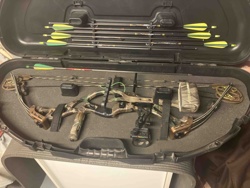
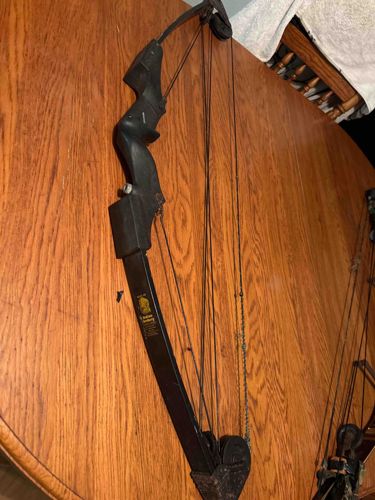
Indian Archery Compound Bow

Archery Equipment / Sporting Goods

AI Estimated Value

·Not an official valuation·Verify before acting

$45 - $85

As of June 6, 2026

AI Item Analysis

·AI can make mistakes·Verify before acting
This is a vintage compound bow manufactured by Indian Archery, likely dating from the late 1970s to the early 1980s. The bow features a cast metal riser with an integrated ergonomic grip, finished in a matte black coating. The limbs are constructed from a multi-layer fiberglass laminate, also finished in black, and are secured to the riser via heavy-duty limb bolts. The pulley system utilizes early-generation round eccentric cams and steel cables, which are characteristic of compound bow technology from this era. On the lower limb, a gold-toned decal is visible identifying the brand as 'Indian Archery'. The bow appears to be in used, fair condition, showing signs of surface wear, dust accumulation, and minor scuffing on the finish. The string and cable system show significant age and should be professionally inspected before any attempt is made to draw or fire the weapon, as vintage bow strings can become brittle over time. This model represents the transition period in archery when mechanical advantages like cams were first becoming mass-produced for hunters and target shooters. The overall craftsmanship is robust, typical of mid-tier sporting goods from that manufacturer during their peak production years in Evansville, Indiana.
AI Appraisal Report

·AI can make mistakes·Verify before acting
Based on my examination of this Indian Archery compound bow, I have identified it as a mass-produced model from the late 1970s to early 1980s, originating from Evansville, Indiana. The gold decal and cast metal riser are authentic markers of the brand's mid-tier hunting line during the early compound era. I assess the condition as 'Fair' due to visible surface oxidation on hardware, scuffing on the limbs, and significant age-related degradation of the steel cables and teardrop connectors. The market for vintage compound bows is currently limited. Unlike traditional recurves or longbows, which hold value for their timeless aesthetics and usability, early compound bows are often viewed as obsolete technology. Collectors primarily seek 'first-generation' milestone bows (like the Allen) or top-tier brands like Bear or Jennings. Indian Archery models were utilitarian consumer goods; consequently, they do not command high premiums. Most comparable units sold on the secondary market (eBay/estate auctions) realize between $40 and $100 depending on the presence of period-correct accessories. A significant factor impacting value is 'shootability.' Because the string and cables appear brittle, the cost of professional restringing would likely exceed the total market value of the bow. I must state that this appraisal is based solely on digital images. A physical inspection is required to check for hairline stress fractures in the fiberglass limbs and eccentric pulley alignment. To verify full provenance, original purchase receipts or catalog matching would be necessary, though for an item of this value, such documentation rarely impacts the final price.

Get your items appraised

Instant estimates of your treasures with AI-powered appraisals

Browse More Appraisals