AI identification & appraisal estimate

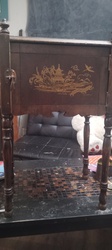
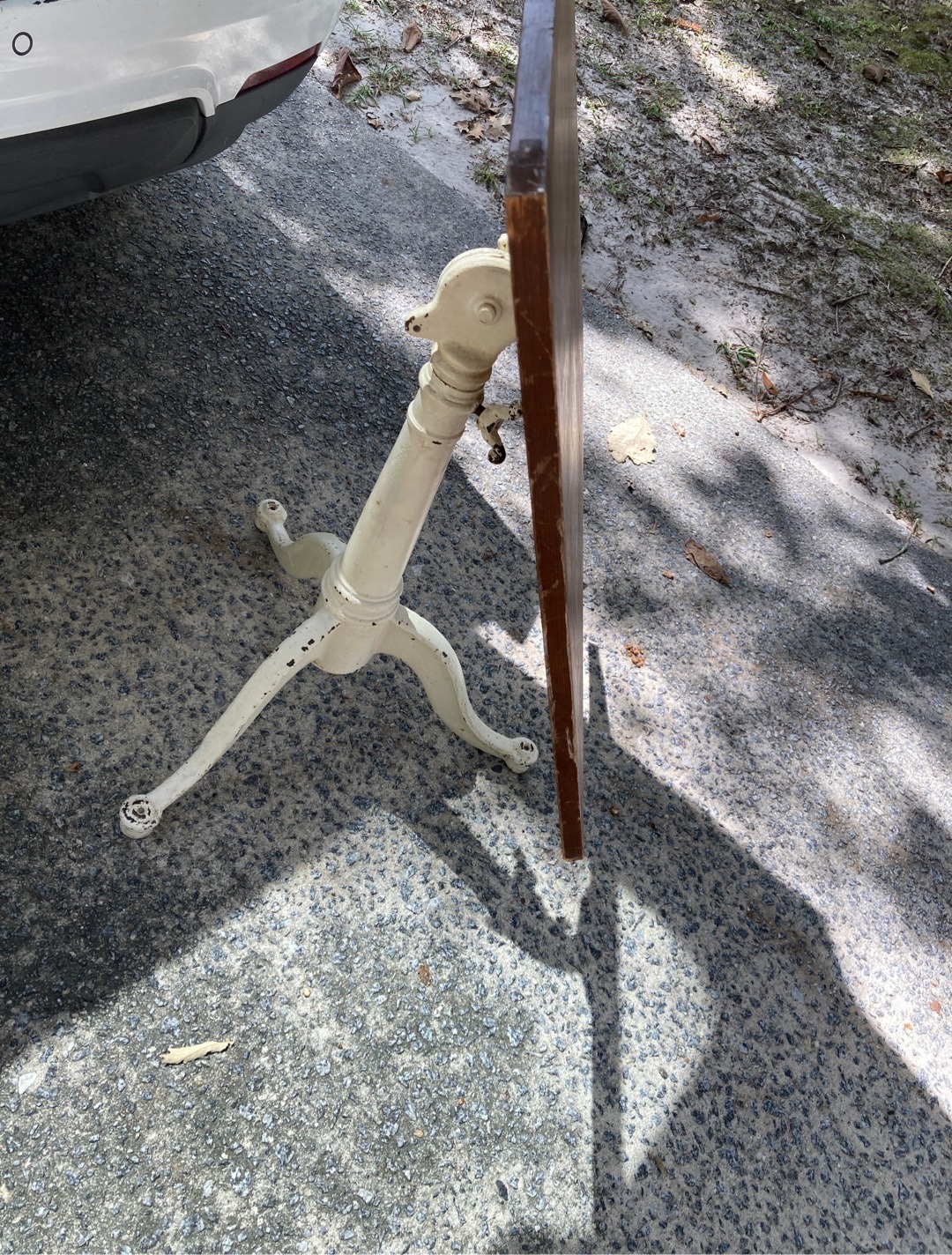
Cast-iron and wood tilt-top table

Submitted photo of Cast-iron and wood tilt-top table
Photo submitted by the user — not generated by AI

AI Estimated Value

Not an official valuation

$150-$300

AI estimate as of September 22, 2026 · verify with a professional before acting

AI-Generated · Verify before acting

Everything on this page is generated by AI for informational purposes only. AI can make mistakes — the AI may misidentify items or misattribute them (artist, maker, brand, designer, origin, era). This is not an official valuation and should not be used for insurance, sale, tax, estate, legal, or lending purposes — or any decision requiring a certified appraisal. It is not an authoritative claim about any person, brand, or rights holder — do not share or rely on it as a factual statement about a third party. Always consult qualified professionals before making financial decisions.

Read the full disclaimer

AI Item Analysis

This piece features a tilt-top mechanism attached to a painted off-white or cream-colored cast-iron pedestal base with three curved, scrolling legs terminating in rounded ball feet. The tabletop is constructed from a rectangular wooden board with rounded corners and a polished warm brown finish, showing visible edge wear and surface scuffs. A metal hinge and release mechanism allows the table surface to tilt vertically, a design often associated with vintage utility, parlor, or card tables. The cast-iron base displays significant paint chipping, chipping around the edges, and surface rust consistent with outdoor exposure and age. There are no clearly legible maker's marks, stamps, or signatures visible in the current image to confirm a specific manufacturer or exact production date. The overall construction quality and materials suggest a late 19th or early 20th-century period piece, though the exact origin remains unverified due to the lack of visible foundry stamps. The identification of the item rests solely on its visible physical characteristics, materials, and form, and the piece should be considered unauthenticated.
AI Appraisal Report

Based on what I can see in the photograph, this piece appears to be a tilt-top utility or parlor table featuring a painted cast-iron pedestal base and a rectangular wooden top. The visual characteristics suggest a late 19th or early 20th-century period piece, characterized by the scrolling legs and functional tilting mechanism. However, I can't verify from a photo whether the top and base are entirely original to one another, nor can I confirm the exact age without physical handling. There are no clearly legible maker's marks or foundry stamps visible in the image, meaning the attribution remains unverified. The surface shows significant condition issues, including paint chipping, edge wear, and surface rust on the cast-iron base, along with scuffs on the wooden top. These condition factors directly impact desirability and market value. In general, vintage cast-iron and wood utility tables have a niche following among rustic and industrial decor enthusiasts, though demand tends to be modest compared to high-end antique furniture. My estimated value range of $150 to $300 assumes the piece is a genuine antique of the period described. If physical inspection were to reveal that the item is a later reproduction, replica, or modern decorative copy 'in the style of', the value would likely decrease significantly, dropping into the $50 to $100 range. To establish a more precise evaluation and to check for hidden foundry marks, a physical inspection by a qualified expert would be necessary.

Keep exploring

More antique furniture appraisals

Get your items appraised

Instant AI-powered appraisal estimates from a photo

Browse More Appraisals