AI identification & appraisal estimate

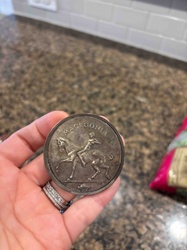
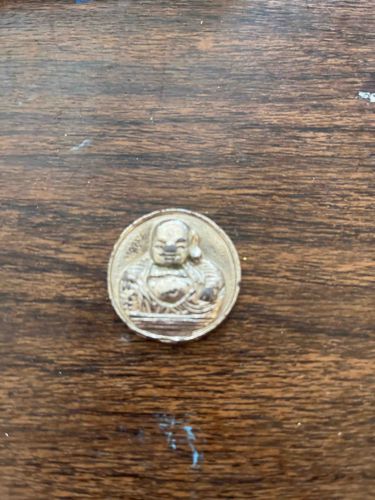
Vintage Budai (Laughing Buddha) Numismatic Token

Submitted photo of Vintage Budai (Laughing Buddha) Numismatic Token
Photo submitted by the user — not generated by AI

AI Estimated Value

Not an official valuation

$5.00-$15.00

AI estimate as of February 2, 2026 · verify with a professional before acting

AI-Generated · Verify before acting

Everything on this page is generated by AI for informational purposes only. AI can make mistakes — the AI may misidentify items or misattribute them (artist, maker, brand, designer, origin, era). This is not an official valuation and should not be used for insurance, sale, tax, estate, legal, or lending purposes — or any decision requiring a certified appraisal. It is not an authoritative claim about any person, brand, or rights holder — do not share or rely on it as a factual statement about a third party. Always consult qualified professionals before making financial decisions.

Read the full disclaimer

AI Item Analysis

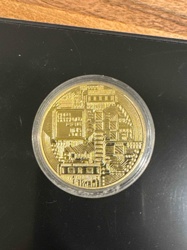
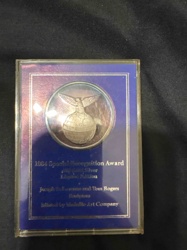
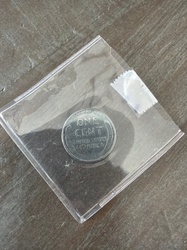
This is a circular metallic token or pocket charm featuring a high-relief depiction of Budai, commonly known as the Laughing Buddha. The item appears to be made of a non-precious base metal, possibly brass or copper-nickel with a silver-colored plating that has worn significantly over time. The central figure is shown in a traditional seated pose with an exposed rotund belly, smiling expression, and elongated earlobes, representing prosperity and happiness. The construction is a struck or cast medallion with a raised outer rim. Regarding condition, the piece shows substantial surface wear consistent with age and frequent handling (pocket wear). There is noticeable loss of the original finish on the high points of the relief, such as the face and belly, revealing a darker underlying metal or patina. Small nicks and scratches are visible along the edge and in the field of the coin. The reverse is not visible, but these items often feature auspicious symbols or characters related to 'Good Luck'. Based on the style and wear patterns, this likely dates from the mid-20th century (circa 1940s-1970s). The craftsmanship is characteristic of mass-produced souvenir or talismanic items rather than fine jewelry, though it maintains clear, recognizable iconography.

AI Appraisal Report

Upon visual examination of this vintage Budai (Laughing Buddha) pocket charm, I find it to be a common example of mass-produced talismanic exonumia from the mid-20th century. The piece is struck in a non-precious base metal, likely brass or bronze, with a silver-colored wash that has largely worn away on the high points—notably the belly and crown of the head. This 'pocket wear' is typical for such items, as they were intended to be carried for good luck. The craftsmanship is consistent with commercial souvenir production rather than fine minting or numismatic artistry. The market for these items is relatively flat due to high survival rates and low initial scarcity. It holds more sentimental or decorative value than investment potential. Comparables sold on secondary markets generally range under twenty dollars, depending on the specific diameter and weight. Factors limiting the value include the heavy oxidation and loss of original finish. While the item appears authentic to its era, I cannot definitively confirm the metal composition without an XRF (X-ray fluorescence) test or a specific gravity test to rule out lead-based alloys sometimes found in cast replicas. For a conclusive authentication, a physical inspection to check for seam lines (indicating casting versus striking) and original provenance documentation would be required. My valuation reflects its status as a vintage novelty rather than a rare numismatic specimen.

Keep exploring

More collectibles & numismatics appraisals

Get your items appraised

Instant AI-powered appraisal estimates from a photo

Browse More Appraisals