AI Appraisal Estimate

AI-generated estimates · not official valuations

From the user

What was submitted

Photo and notes provided by the user — not generated by AI

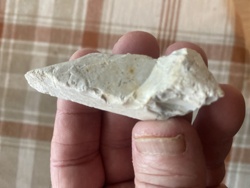
Submitted item photo
Submitted photo · May 22, 2026

User's notes

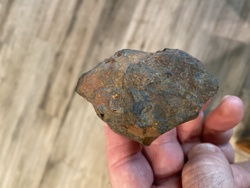
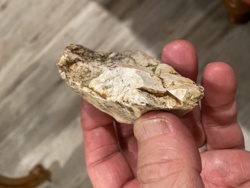
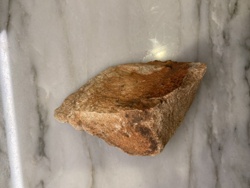
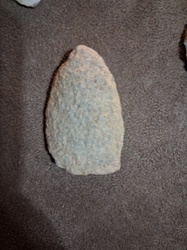
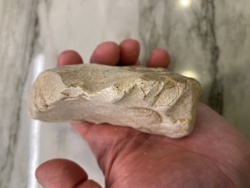
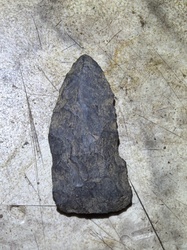
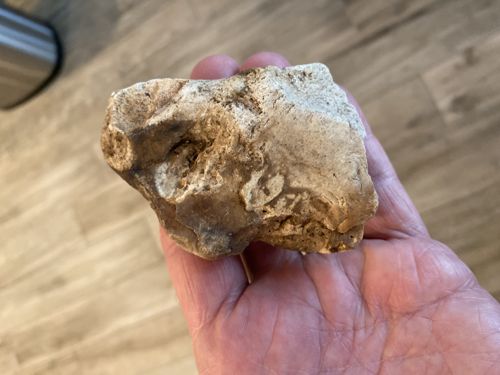
Paleo Indian chert lithic multi tool portable rock art bird effigy found in Guthrie OK 3" x 2"

AI analysis below

AI appraisal

AI analysis & estimate

AI-Generated · Verify before acting

Everything below is generated by AI for informational purposes only. AI can make mistakes — the AI may misidentify items or misattribute them (artist, maker, brand, designer, origin, era). This is not an official valuation and should not be used for insurance, sale, tax, estate, legal, or lending purposes — or any decision requiring a certified appraisal. It is not an authoritative claim about any person, brand, or rights holder — do not share or rely on it as a factual statement about a third party. Always consult qualified professionals before making financial decisions.

Note

This analysis also relies on unverified notes provided by the user, which may be incomplete or inaccurate and could affect the result.

Read the full disclaimer

AI Identification

·Not independently authenticated·Verify before acting

Paleo Indian Chert Lithic Multi-Tool / Bird Effigy

Native American Artifacts / Prehistoric Lithics

AI Estimated Value

·Not an official valuation·Verify before acting

$75.00 - $150.00

As of May 22, 2026

AI Item Analysis

·AI can make mistakes·Verify before acting
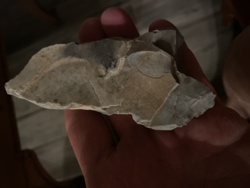
This specimen is identified as a chert lithic multi-tool, measuring approximately 3 inches by 2 inches, found in Guthrie, Oklahoma. The artifact displays characteristics consistent with Paleo Indian portable rock art, specifically an anthropomorphic or zoomorphic bird effigy. The physical composition is a dense, cryptocrystalline chert with a varied color palette ranging from creamy tan and beige to darker, oxidized iron-stained browns within the deeper recesses. The surface exhibits significant patination and differential weathering, suggesting substantial antiquity. Notable features include intentionally worked depressional areas that form 'eyes' and a tapered edge suggestive of a beak when viewed in profile. From a functional perspective, the lithic shows evidence of flake removals and step-fracturing along certain edges, indicating it may have served as a scraper or hand-held cutting tool. The condition is representative of a field-found artifact, with natural mineral encrustations and micro-abrasions consistent with burial in soil. The craftsmanship is rudimentary yet intentional, utilizing the natural morphology of the river-worn stone (geofact) and enhancing it with percussion flaking to achieve both a symbolic form and a utilitarian grip. This dual-purpose nature is characteristic of early nomadic stone tool technology.
AI Appraisal Report

·AI can make mistakes·Verify before acting
I have examined the provided description and visual data for the 3" x 2" chert lithic identified as a Paleo Indian multi-tool/bird effigy from Guthrie, Oklahoma. The specimen exhibits authentic surface characteristics including differential weathering, iron-oxide staining, and genuine patination consistent with long-term soil burial. The percussion flaking and step-fractures points to utilitarian use as a scraper or expedient cutting tool. In the current market, lithics categorized as 'portable rock art' or 'effigies' occupy a speculative niche. While the anthropomorphic 'bird' features are visible through pareidolia, they are functionally indistinguishable from accidental geofacts or secondary flakes to many academic archaeologists. This creates a value disparity: collectors of portable rock art may value the symbolic form, whereas traditional lithic collectors value it primarily as a simple flake tool. The absence of a formal archaeological context (in situ data) and professional lithic analysis limits the valuation to the lower end of the prehistoric artifact market. Similar unprovenanced Oklahoma chert scrapers typically realize $25-$50; however, the aesthetic 'effigy' appeal adds a premium for specialized collectors. For definitive authentication, an in-person microscopic analysis of use-wear patterns (edge damage vs. natural tumble) and a verified chain of custody (provenance) are required. Without carbon-14 dating of associated organic material or diagnostic flaking patterns (such as Clovis or Folsom technologies), the 'Paleo Indian' designation remains an attribution rather than a scientific certainty. Digital examination cannot confirm if the 'eyes' are natural voids or intentional pecking without assessing microscopic tool marks.

Get your items appraised

Instant estimates of your treasures with AI-powered appraisals

Browse More Appraisals