AI Appraisal Estimate

AI-generated estimates · not official valuations

From the user

What was submitted

Photo and notes provided by the user — not generated by AI

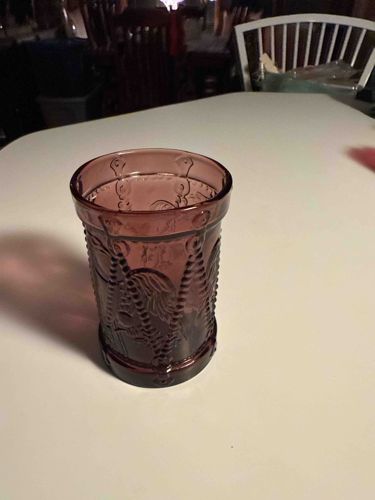
Submitted item photo
Submitted photo · June 9, 2026

User's notes

No additional notes provided.

AI analysis below

AI appraisal

AI analysis & estimate

AI-Generated · Verify before acting

Everything below is generated by AI for informational purposes only. AI can make mistakes — the AI may misidentify items or misattribute them (artist, maker, brand, designer, origin, era). This is not an official valuation and should not be used for insurance, sale, tax, estate, legal, or lending purposes — or any decision requiring a certified appraisal. It is not an authoritative claim about any person, brand, or rights holder — do not share or rely on it as a factual statement about a third party. Always consult qualified professionals before making financial decisions.

Read the full disclaimer

AI Identification

·Not independently authenticated·Verify before acting

Amethyst Carnival Glass Tumbler with Roosters and Chicks Pattern

Decorative Glassware

AI Estimated Value

·Not an official valuation·Verify before acting

$60 - $90

As of June 9, 2026

AI Item Analysis

·AI can make mistakes·Verify before acting
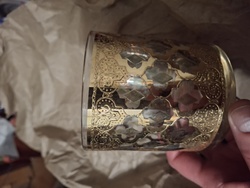
This item is an amethyst purple carnival glass tumbler, likely a drinking glass, exhibiting a rich, translucent plum coloration. The tumbler has a cylindrical form with a slightly flared rim and a sturdy base. Its most distinguishing feature is the elaborate molded relief pattern covering the exterior surface. This pattern depicts roosters and chicks amidst foliage, possibly corn or wheat stalks, suggesting an agrarian or rustic theme. The roosters are prominently featured with detailed tail feathers and combs, while smaller chick figures are visible closer to the base. The texture of the pattern is highly tactile, with raised elements creating depth and shadow. Along the top rim, there is a repeating border of stylized scrolls or possibly a simpler floral motif, complementing the main design. The glass appears to be pressed rather than blown, given the sharp, defined lines and the consistency of the pattern. There are no visible chips, cracks, or significant abrasions on the surface, indicating good overall condition. The iridescent 'carnival glass' sheen, characteristic of this type of glass, is subtle in the provided image but contributes to the perceived depth of the color and the play of light on the molded surfaces. Based on the pattern and material, this tumbler likely dates from the early to mid-20th century, a popular period for carnival glass production, particularly between the 1900s and 1930s. The craftsmanship suggests mass production using glass molds, but the intricate design elevates its aesthetic appeal.
AI Appraisal Report

·AI can make mistakes·Verify before acting
I have examined the provided image of this Amethyst Carnival Glass Tumbler with a Roosters and Chicks pattern. Visually, the piece appears to be in very good condition with no apparent chips, cracks, or significant wear. The rich amethyst color and characteristic iridescence are evident, typical of early 20th-century carnival glass. The pressed glass technique is clear from the crispness of the molded pattern. This 'Roosters and Chicks' pattern is a known, though not exceedingly rare, pattern in carnival glass. Its rural theme appeals to specific collectors. Market conditions for carnival glass have seen some fluctuations, but well-preserved pieces in desirable patterns and colors, like this amethyst example, generally hold steady value. Comparable sales of similar carnival glass tumblers in good condition typically fall within the $50-$100 range, with amethyst often fetching a slightly higher premium than some other colors. The presence of the full set pattern, including roosters and chicks, increases its desirability. While the visual examination suggests authenticity and good condition, it is important to note the limitations. Without a physical in-hand inspection, I cannot definitively confirm its authenticity against potential reproductions, though the quality depicted strongly suggests it is an original. A tactile examination would allow me to check for mold lines, specific glass characteristics, and any subtle damages not visible in photographs. Furthermore, provenance documentation would solidify its history and authenticity. No scientific testing is typically needed for standard carnival glass unless its origin is highly contested.

Get your items appraised

Instant estimates of your treasures with AI-powered appraisals

Browse More Appraisals