AI identification & appraisal estimate

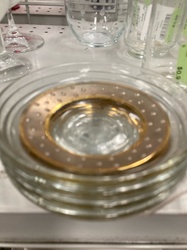
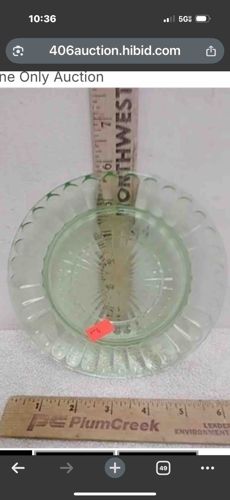
Uranium Glass Scalloped Plate/Shallow Bowl

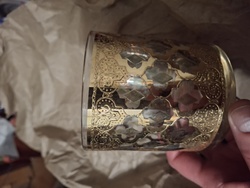
Submitted photo of Uranium Glass Scalloped Plate/Shallow Bowl
Photo submitted by the user — not generated by AI

User's notes

Uranium plate

These notes were written by the person who submitted this item. Appraiser.AI has not verified them, and the AI's identification and estimate may rely on them.

AI Estimated Value

Not an official valuation

$25-40

AI estimate as of August 15, 2025 · verify with a professional before acting

AI-Generated · Verify before acting

Everything on this page is generated by AI for informational purposes only. AI can make mistakes — the AI may misidentify items or misattribute them (artist, maker, brand, designer, origin, era). This is not an official valuation and should not be used for insurance, sale, tax, estate, legal, or lending purposes — or any decision requiring a certified appraisal. It is not an authoritative claim about any person, brand, or rights holder — do not share or rely on it as a factual statement about a third party. Always consult qualified professionals before making financial decisions.

This analysis also relies on unverified notes provided by the user, which may be incomplete or inaccurate and could affect the result.

Read the full disclaimer

AI Item Analysis

This is a circular glass plate or shallow bowl, likely made from uranium glass, indicated by the 'Uranium plate' context and the pale green hue. The piece exhibits a ruffled or scalloped edge with distinct, raised ridges or flutes on the underside of what would be the rim. The central portion of the plate features a starburst or sunburst pattern molded into the glass, radiating outwards from the center. The glass appears to be pressed glass, characterized by its molded patterns and thickness variations. The color is a light, translucent green, typical of depression glass or early uranium glass. Based on the style and typical production of such items, it likely dates from the early to mid-20th century, possibly the Depression Era (1920s-1940s). The craftsmanship suggests mass production, yet the molded details are clear and well-defined. There are no visible chips, cracks, or significant damage from the provided images, though there is a small red sticker on the interior surface, likely a price or lot tag from an auction. The overall condition appears good, with expected minor wear consistent with its age and use. The plate measures approximately 6 to 7 inches in diameter based on the ruler visible in the background, which shows markings up to 7 inches.
AI Appraisal Report

Upon examining the images provided of this pale green scalloped plate, I can identify it as a piece of American pressed glass, characteristic of the Depression Era (circa 1920s-1940s). The prominent starburst or sunburst pattern and ruffled edge are typical design elements from that period. The light green, translucent color strongly suggests it is uranium glass, a popular material at the time, which would glow under a UV light. The item appears to be in very good condition, with no visible chips, cracks, or significant scratches observed in the photograph. This is a positive factor for its value, as these mass-produced items were often used daily and are frequently found with damage. The molded details are clear and well-defined. Current market conditions for common Depression-era uranium glass are stable but modest. While there is a dedicated collector base, pieces like this small plate or shallow bowl are relatively plentiful. The value is driven more by its decorative appeal and condition rather than extreme rarity. Similar mass-produced uranium glass plates of this size and pattern typically sell in the $20 to $40 range at antique shops, online marketplaces, and auctions. It is important to note that this appraisal is based solely on visual inspection of images. A definitive confirmation of its composition as uranium glass would require an in-person examination with a UV (black) light. Furthermore, identifying the specific manufacturer and pattern name would require cross-referencing with specialized glass encyclopedias, which could slightly alter the value if it proves to be a rarer or more sought-after pattern.

Keep exploring

More decorative glassware appraisals

Get your items appraised

Instant AI-powered appraisal estimates from a photo

Browse More Appraisals