AI Appraisal Estimate

AI-generated estimates · not official valuations

From the user

What was submitted

Photo and notes provided by the user — not generated by AI

Submitted item photo
Submitted photo · July 18, 2026

User's notes

1937 penny

AI analysis below

AI appraisal

AI analysis & estimate

AI-Generated · Verify before acting

Everything below is generated by AI for informational purposes only. AI can make mistakes — the AI may misidentify items or misattribute them (artist, maker, brand, designer, origin, era). This is not an official valuation and should not be used for insurance, sale, tax, estate, legal, or lending purposes — or any decision requiring a certified appraisal. It is not an authoritative claim about any person, brand, or rights holder — do not share or rely on it as a factual statement about a third party. Always consult qualified professionals before making financial decisions.

Note

This analysis also relies on unverified notes provided by the user, which may be incomplete or inaccurate and could affect the result.

Read the full disclaimer

AI Identification

·Not independently authenticated·Verify before acting

United States one-cent coin in the style of a 1937 Lincoln Wheat Cent

Coins and Numismatics

AI Estimated Value

·Not an official valuation·Verify before acting

$0.02 - $0.05

As of July 18, 2026

AI Item Analysis

·AI can make mistakes·Verify before acting
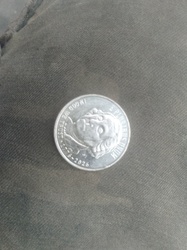
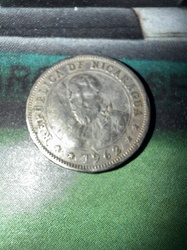
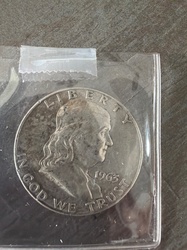
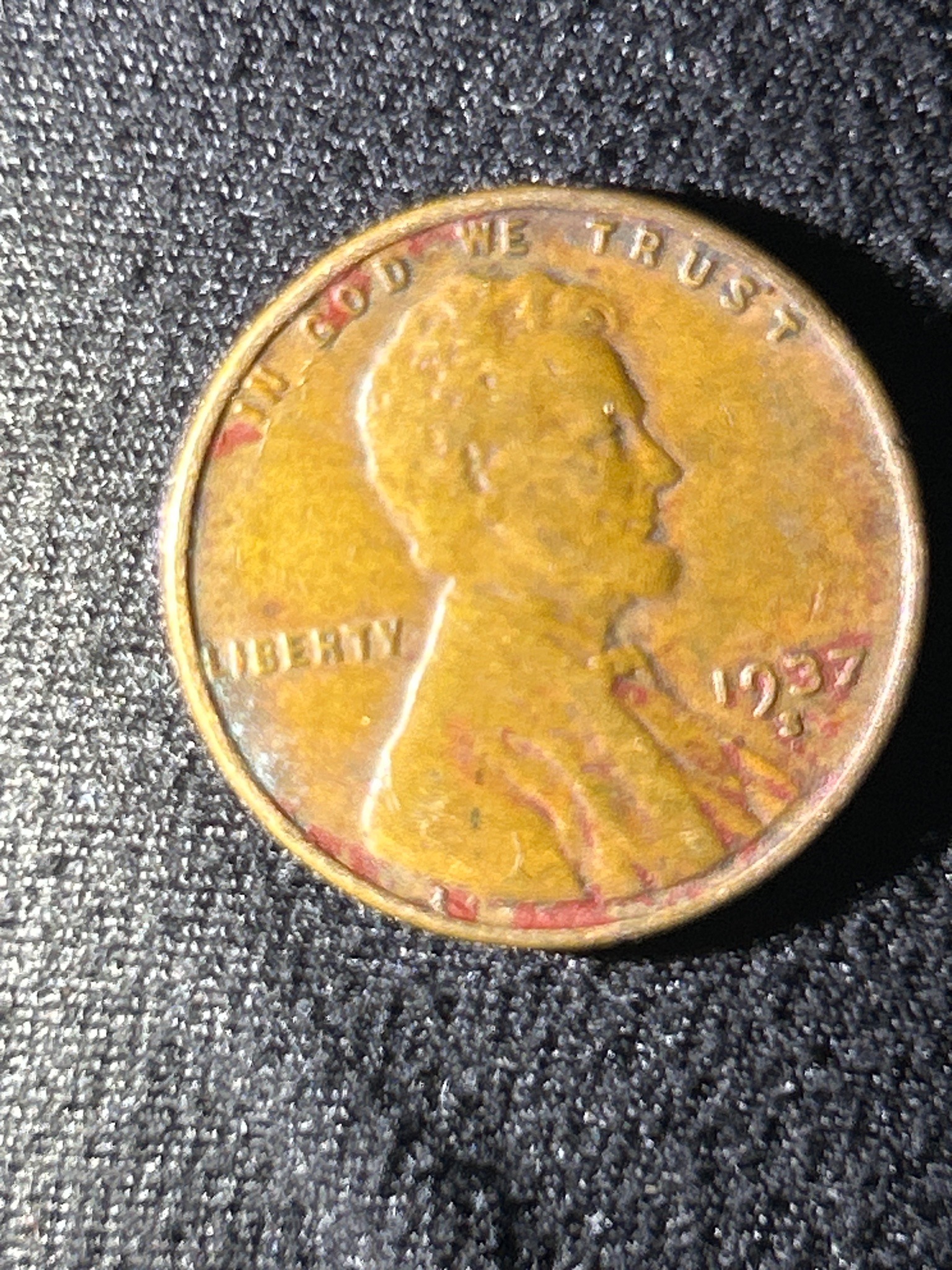
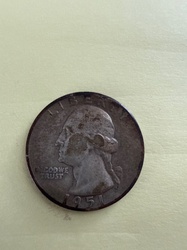
This is a United States one-cent coin, stylistically consistent with the Lincoln Wheat Cent series. The obverse features the profile of Abraham Lincoln facing right. The inscriptions 'IN GOD WE TRUST' are visible along the top rim, 'LIBERTY' is to the left of the bust, and the date '1937' is marked to the right. The coin appears to be struck in a copper-based alloy, displaying a variety of colors including copper-orange, yellowish hues, and reddish-pink toning or possible surface residue. The owner identifies this as a '1937 penny', which is consistent with the visible date; however, this attribution is unverified without professional numismatic grading. The coin shows signs of circulation and wear, with flattened details on the hair and beard and softened lettering. There are visible surface abrasions, small nicks, and significant discoloration along the lower edge and within the recesses of the strike, which may be copper oxidation, toning, or environmental damage. Verification of the mint mark (if present, located under the date) and the reverse design is not possible from this single image. The overall appearance is consistent with a mid-20th-century circulating coin, though physical inspection is required to confirm the authenticity of the strike and the nature of the surface coloration.
AI Appraisal Report

·AI can make mistakes·Verify before acting
Based on the image provided, I have examined this one-cent coin which appears stylistically consistent with the United States Lincoln Wheat Cent series. The owner identifies this as a '1937 penny', and the visible date on the obverse aligns with this attribution. However, without a physical inspection or professional grading, this identification remain a hypothesis. From what I can see, the coin exhibits moderate to heavy circulation wear, characterized by flattened hair details and softened inscriptions. The surface shows varied coloration, which may indicate natural toning, copper oxidation, or environmental damage. I cannot verify the presence of a mint mark or the condition of the reverse design from this single perspective. The current value estimate assumes the coin is a common-date 1937 Lincoln cent in a circulated grade (Fine to Very Fine). The market for such coins is generally stable, with value primarily driven by scarcity and condition; because 1937 was a high-production year, circulated examples without a rare mint mark or exceptional errors typically hold very little numismatic premium above face value. If this coin were found to be a rare variety or in uncirculated condition upon professional grading, the value could increase slightly. Conversely, if the surface discoloration is determined to be detrimental corrosion or evidence of a non-period altered surface, the value would be negligible. To reach a more certain conclusion, the coin would need to be evaluated in person by a numismatist to determine its surface integrity and have its technical grade established by a third-party grading service.

Get your items appraised

Instant estimates of your treasures with AI-powered appraisals

Browse More Appraisals