AI Appraisal Estimate

AI-generated estimates · not official valuations

From the user

What was submitted

Photo and notes provided by the user — not generated by AI

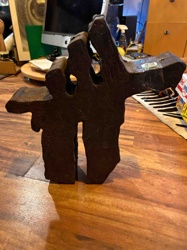
Submitted item photo
Submitted photo · June 8, 2026

User's notes

Unknown artist, untitled sculpture

AI analysis below

AI appraisal

AI analysis & estimate

AI-Generated · Verify before acting

Everything below is generated by AI for informational purposes only. AI can make mistakes — the AI may misidentify items or misattribute them (artist, maker, brand, designer, origin, era). This is not an official valuation and should not be used for insurance, sale, tax, estate, legal, or lending purposes — or any decision requiring a certified appraisal. It is not an authoritative claim about any person, brand, or rights holder — do not share or rely on it as a factual statement about a third party. Always consult qualified professionals before making financial decisions.

Note

This analysis also relies on unverified notes provided by the user, which may be incomplete or inaccurate and could affect the result.

Read the full disclaimer

AI Identification

·Not independently authenticated·Verify before acting

Industrial Found-Object Assemblage Sculpture

Contemporary Sculpture / Industrial Art

AI Estimated Value

·Not an official valuation·Verify before acting

$450 - $650

As of June 8, 2026

AI Item Analysis

·AI can make mistakes·Verify before acting
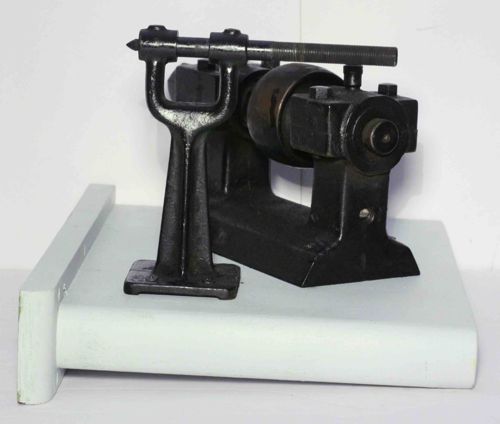
This is a small-scale industrial assemblage sculpture created from repurposed cast iron and steel mechanical parts, presented on a painted wooden base. The sculpture features a dark, oil-rubbed or blackened finish typical of vintage industrial hardware. It consists of two primary metal components: a vertical Y-shaped bracket or stanchion supporting a threaded rod with a pointed tip, and a heavier block-shaped assembly behind it that resembles an antique lathe headstock or pulley housing. The construction is heavy and utilitarian, emphasizing the weight and texture of the cast iron. The surface shows a rich, uneven patina with visible casting grains and minor oxidation consistent with reclaimed machinery. There are no visible maker's marks or artist signatures on the metal surfaces. Based on the mechanical design of the components, they likely originated from late 19th to early 20th-century workshop equipment. The piece is mounted to a thick, L-shaped white painted wooden plinth, which appears to be a modern addition to elevate the industrial components into a fine art context. The condition is good, showing minor surface scuffs and paint loss on the wooden base, while the metal parts remain structurally sound with characterful wear.
AI Appraisal Report

·AI can make mistakes·Verify before acting
Upon examination of this industrial assemblage, I find it to be a compelling example of 21st-century 'Found Object' art utilizing authentic late-19th to early-20th-century salvaged mechanical components. The metal elements—a Y-bracket and a pulley-style housing—exhibit a genuine age-related patina with casting grains and oxidation that suggest an original workshop provenance. The utilitarian aesthetic is successfully elevated by the modern white L-shaped plinth, which provides a stark, gallery-style contrast to the heavy cast iron. The condition is good, with minor cosmetic wear to the base that does not detract from the work's structural integrity. Currently, the market for 'Industrial Chic' and anonymous assemblage remains stable, though values are heavily dependent on the 'pedigree' of the artist. As an unattributed work, this piece is valued primarily as high-end decorative art rather than a blue-chip investment. Comparable works of similar scale sold in regional boutique auctions or through platforms like 1stDibs typically range from $400 to $800. The lack of a signature or maker’s mark limits the value to this decorative range. Critically, this appraisal is based on photographic evidence. A full authentication would require an in-person inspection to verify the method of attachment between the metal and wood (to ensure stability) and to search for microscopic signatures often hidden in casting crevices. Provenance documentation regarding the source of the mechanical parts would further solidify historical value. Without physical handling, it is difficult to confirm if the 'blackened' finish is original oil-rubbed seasoning or a modern chemical patination applied to increase visual appeal.

Get your items appraised

Instant estimates of your treasures with AI-powered appraisals

Browse More Appraisals